
Last updated October 31, 2026
 Sweep & inspection
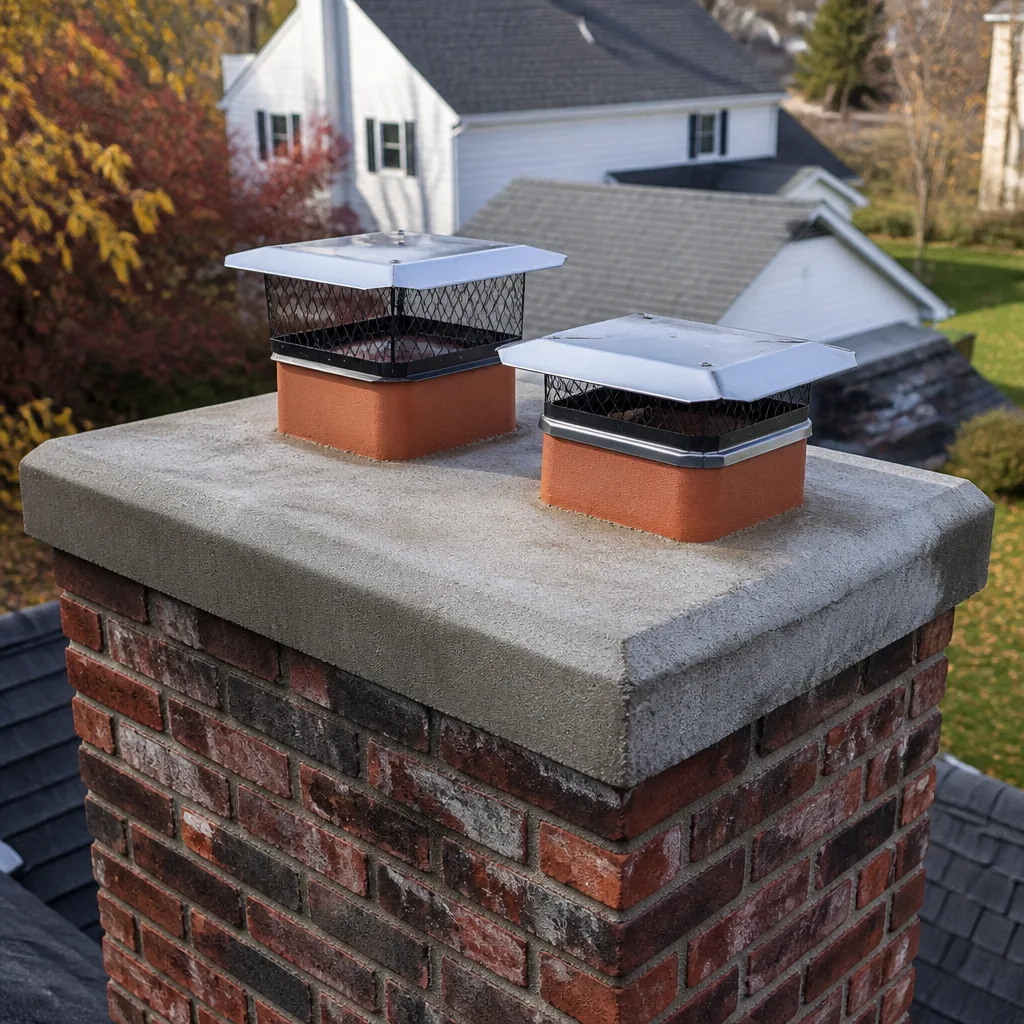
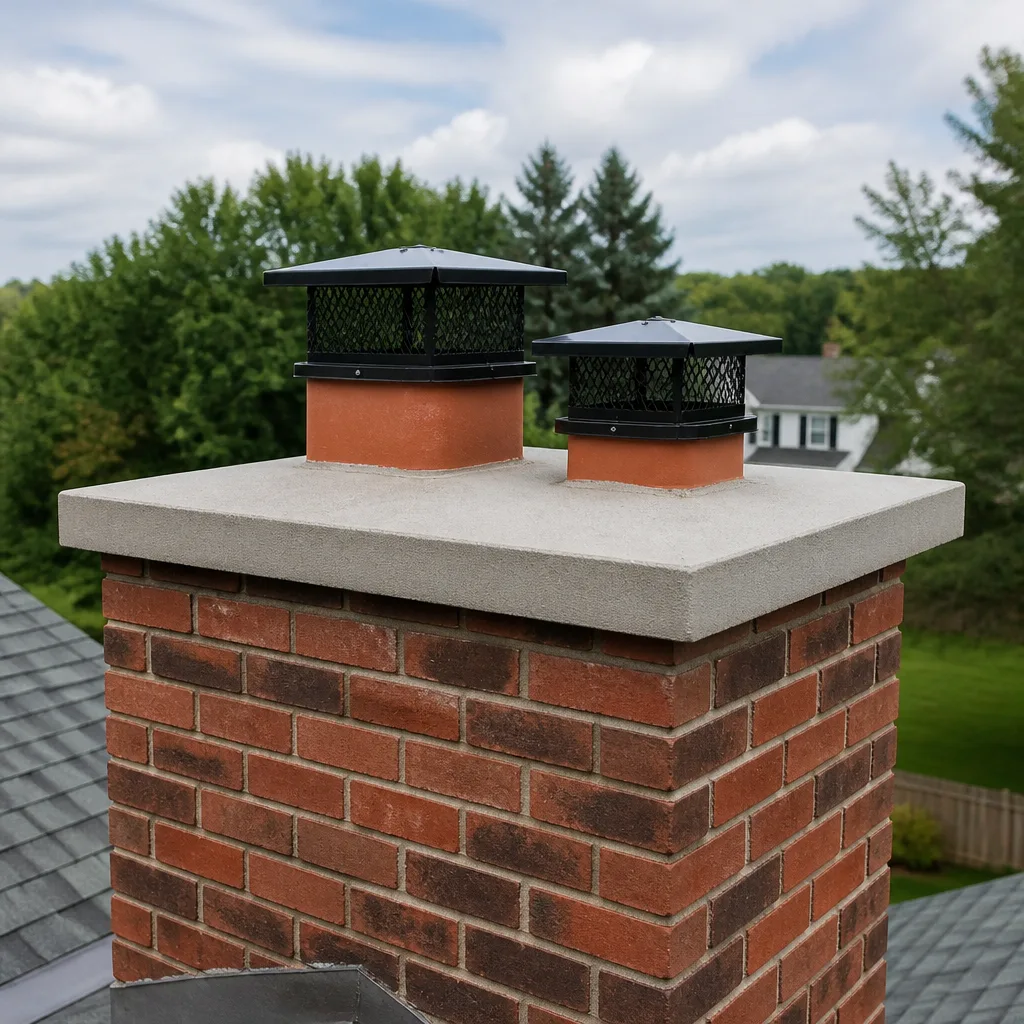 Caps & crowns
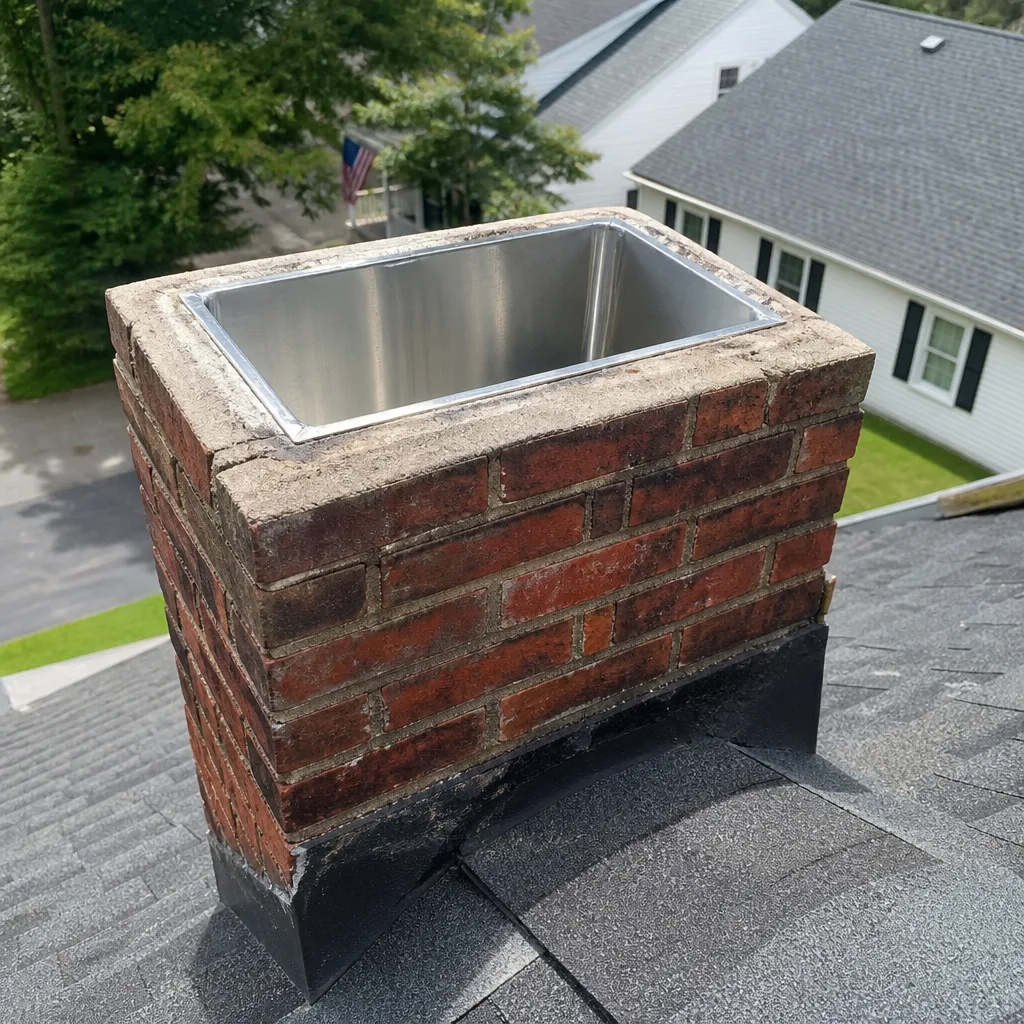 Flue relining
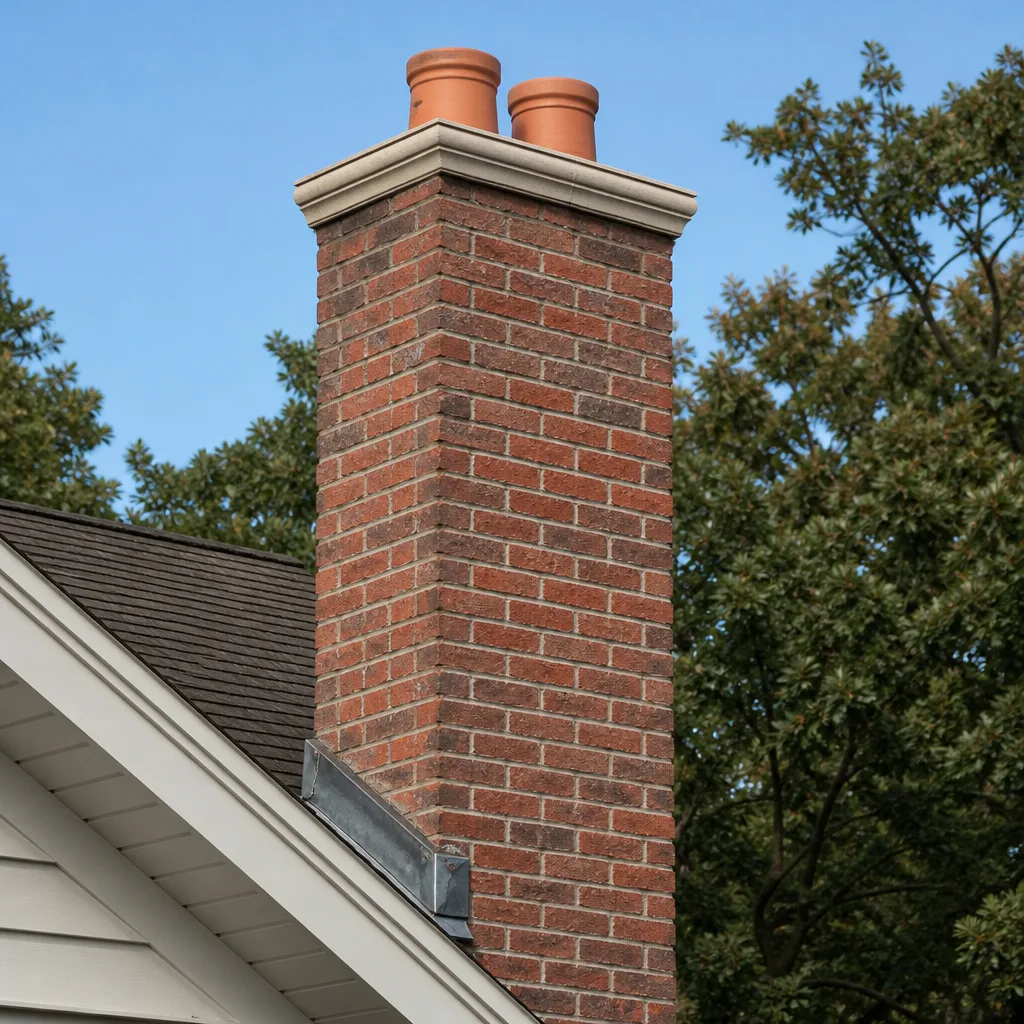 Masonry repair
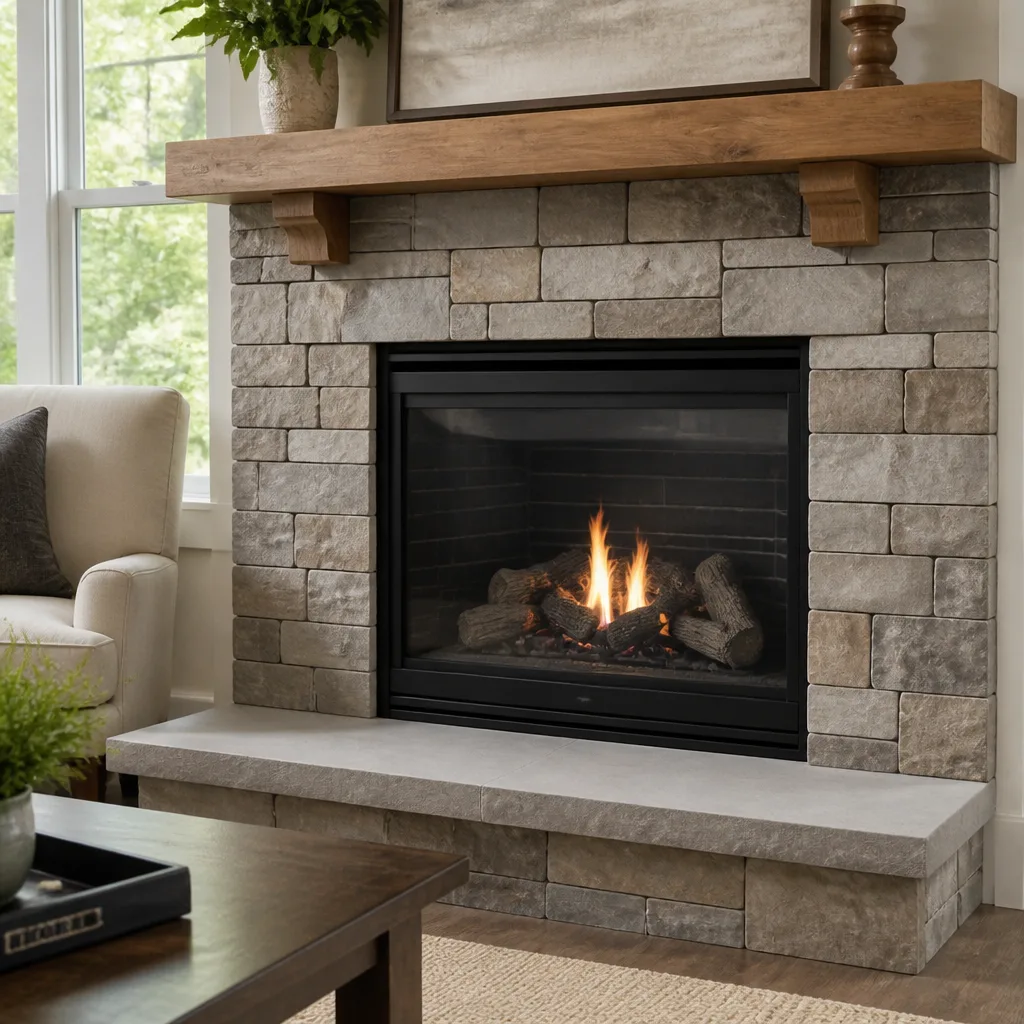 Gas fireplace service
Level 1 sweep and inspection to the NFPA 211 annual standard - flue, crown, cap, and flashing checked and photographed
Chimney sweep logs do not sweep chimneys. They loosen some creosote - which then falls where a brush and vacuum still have to collect it.
Chimney Cleaning Warning Signs: A El Monte Homeowner’s Reference Guide
A white stain running down your chimney exterior looks like a cosmetic problem. It’s actually efflorescence, a sign that water is moving through your masonry and dissolving its structure from the inside. In El Monte, where summer heat bakes chimney exteriors and winter rains soak them, this cycle repeats year after year, and the damage compounds quietly. This guide pairs every chimney warning sign with the specific failure it indicates and a clear call on whether you’re looking at a ‘schedule soon’ or ‘stop using the fireplace now’ situation, and points you to Chimney Sweep Troubleshooting: Common Problems and How to Fix Them for deeper guidance. You’ll learn what’s cosmetic, what’s structural, and what’s dangerous enough to warrant immediate attention.
Quick Answer
The most urgent chimney warning signs in El Monte are smoke entering your living space, a strong odor coming from the fireplace when it’s not in use, white staining (efflorescence) on exterior masonry, and spalling brick or flaking stucco on the chimney chase. Any one of these means your chimney system is compromised. Some require stopping fireplace use immediately; others can be scheduled within a month. If you notice any of these, call (833) 589-8498 for a professional assessment before the next burn.
Styles & brands we work with
Table of Contents
- Interior Warning Signs You Can See and Smell
- Exterior Warning Signs on El Monte Chimneys
- Urgency Triage: Stop Now vs. Schedule Soon
- What El Monte’s Climate Does to Chimneys
- Normal Settling vs. Active Structural Failure
- Signs During or Just After a Fire
- The Stucco-Clad Chimney Problem in El Monte
- Common Mistakes to Avoid
- When to Call a Professional
- Frequently Asked Questions
Interior Warning Signs You Can See and Smell
Most chimney problems announce themselves inside the house before they show up outside. The trouble is, these signs are easy to normalize. A little smoke on startup. A faint smell in summer. A damper that sticks. Homeowners in El Monte often live with these for years, assuming they’re just how fireplaces behave. They’re not. Each one is diagnostic information, and here’s what each sign actually means.
Smoke entering the room instead of going up the flue
This is the most significant interior warning sign you’ll encounter. Smoke in your living space means the draft, the upward flow of air that carries combustion gases out of your home, has failed. The cause is usually one of three things: a flue obstruction (creosote buildup, animal nesting, or debris), a flue that’s too cold to establish draft (common on exterior chimneys in El Monte’s mild winters), or negative air pressure inside the home (exhaust fans, a tight house envelope, or a competing appliance pulling air down the chimney).
Here’s the diagnostic part: if smoke enters the room only during startup and clears once the flue warms up, draft is the issue, and it’s usually fixable. If smoke enters consistently throughout the burn, you’re likely dealing with an obstruction or a flue sizing problem. If smoke enters only when your furnace or dryer is running, you have a negative pressure problem. None of these should be normalized. Carbon monoxide rides along with smoke, and a chimney that can’t exhaust smoke can’t exhaust CO either.
Odor from the fireplace when it’s not in use
A fireplace that smells like a campfire in August or like something damp and musty in December is telling you something specific. Campfire smell when the fireplace is cold means creosote deposits are off-gassing, and that smell is strongest on humid days or when the air conditioner runs. The fix is a sweep. A damp, musty, or moldy smell points to water intrusion, either through a cracked crown, failed flashing, or damaged masonry. That fix involves identifying the water entry point and repairing it before the masonry degrades further.
We’ve seen El Monte homes where the fireplace odor alone was the first clue to a liner that had been cracked for years. The smell was the only symptom until it wasn’t.
Damper resistance or a damper that won’t fully open or close
Your damper is a steel plate that seals the flue when the fireplace is not in use. If it’s hard to operate, sticks, or won’t close completely, you have one of two problems. First, creosote or soot buildup on the damper frame is interfering with its travel. This is a maintenance issue, and a sweep resolves it. Second, rust or heat warping has distorted the damper itself, which means water or years of high-temperature fires have taken a toll. A warped damper that won’t close fully lets conditioned air escape up the chimney year-round and allows downdrafts to push smoke and odor back into the house. In El Monte’s summer heat, a damper that won’t seal costs you real money in cooling loss.
Interior signs at a glance:
- Smoke at startup only: draft issue, usually fixable, schedule a sweep and draft assessment.
- Smoke throughout the burn: obstruction or sizing problem, stop using the fireplace and call for an inspection.
- Smoke when other appliances run: negative pressure, needs a professional pressure diagnosis.
- Campfire smell when cold: creosote off-gassing, schedule a sweep.
- Damp or musty smell: water intrusion, schedule an inspection of crown, flashing, and masonry.
- Sticky damper: creosote or rust, schedule a sweep and damper check.
Exterior Warning Signs on El Monte Chimneys
Walk outside and look at your chimney. Not a glance. A real look. El Monte’s climate, hot dry summers followed by occasional heavy winter rain, creates specific failure patterns that show up on the exterior before they show up anywhere else. Here’s what to look for and what each sign indicates.
Efflorescence: the white stain that isn’t cosmetic
Efflorescence is a white, chalky deposit on masonry surfaces. It forms when water moves through brick, mortar, or concrete, dissolving salts inside the material, then evaporates on the surface and leaves the salts behind. The stain itself is harmless. The water movement behind it is not.
Every cycle of wetting and drying deposits more salts and creates internal pressure that weakens mortar joints and brick faces. In El Monte, the cycle is particularly aggressive because the long dry season means water that entered during winter rains sits trapped in the masonry, cooking in summer heat. Efflorescence on your chimney means water is moving through the structure. The question to answer is where it’s entering, and that requires a professional inspection of the crown, flashing, and mortar joints.
Spalling brick or flaking masonry surfaces
Spalling is what happens when water inside brick or masonry freezes and expands, or when salt crystallization from trapped moisture pops the face off the material. You’ll see brick faces flaking away, leaving soft, pitted surfaces underneath. Flaking stucco on a chimney chase means the same thing: moisture has gotten behind the surface and is breaking the bond.
Spalling is never a cosmetic problem. It means the protective exterior of your chimney has failed, and every rain event accelerates the damage. A spalling chimney is structurally degrading. If you see brick faces or stucco pieces on your roof or on the ground near your chimney, the deterioration is active.
Cracked or crumbling crown
The crown is the concrete cap at the top of your chimney. It’s the first line of defense against water. When it cracks, every rain event channels water directly into the chimney structure. Small hairline cracks widen with each thermal cycle. In El Monte, the thermal expansion from summer heat followed by overnight cooling is tough on concrete. A cracked crown is one of the most common water entry points we find, and it’s also one of the most easily repaired if caught before water reaches the flue liner and interior masonry.
Rust on the damper or firebox
Rust inside your firebox or on visible metal components means water is entering the chimney and reaching the interior. There’s no other way rust forms on a damper or firebox in a climate as dry as El Monte’s. If you see rust, you have an active water intrusion problem, even if you haven’t found the entry point yet. The fix starts with identifying where water gets in, which is crown, flashing, or masonry, and then repairing that entry point before addressing any damage the water has caused.
If you’re seeing any of these exterior signs, this guide from Sherwood Chimney Sweep home walks through what a full inspection covers.
Urgency Triage: Stop Now vs. Schedule Soon
Not every warning sign means the same level of urgency. Here’s the framework we use, and it’s worth internalizing because it will help you make sound decisions when a problem appears.
Stop using the fireplace now
- Smoke entering the living space during normal operation. This means combustion gases are not exiting your home. Carbon monoxide exposure is a real risk.
- A strong odor accompanied by visible smoke or soot stains on the wall above the fireplace. This indicates flue failure or blockage.
- Crumbling or missing sections of flue tile visible in the firebox. A failed liner allows heat and gases to reach combustible framing.
- Visible cracks in the chimney structure that have appeared suddenly or are growing. Active structural movement.
- Sparks or embers escaping the chimney top. A missing or damaged spark arrestor is allowing hot material onto your roof.
Any of these five means the fireplace is not safe to operate. Stop using it. Call for a professional inspection before the next burn. This is not caution; it’s basic safety.
Schedule within 30 days
- Efflorescence (white staining) on masonry. Water intrusion is happening, but the structure is not failing yet.
- Campfire odor from a cold fireplace. Creosote needs to be swept, but you’re not in immediate danger.
- Rust on the damper. Water entry is occurring and should be addressed before it worsens, but the fireplace can be used if the damper operates correctly and there are no other symptoms.
- Sticky or hard-to-operate damper. Usually creosote buildup; a sweep resolves it.
- Mild spalling on a few brick faces. Early-stage deterioration, worth addressing before the next rain season.
- Flaking stucco on the chimney chase. Moisture behind the surface; needs evaluation within weeks, not days.
The line between schedule soon and stop now is smoke, fire, and active structural movement. Everything else can wait a few weeks but shouldn’t wait a year.
What El Monte’s Climate Does to Chimneys
El Monte sits in the San Gabriel Valley, where summers run hot and dry, winters bring occasional heavy rain, and the temperature swing between night and day can exceed 30 degrees. This specific climate pattern drives chimney deterioration in predictable ways, and understanding them helps you spot problems earlier.
The thermal cycle is the big one. Masonry absorbs heat during the day and releases it at night. Every expansion and contraction stresses mortar joints and concrete crowns. Over years, micro-cracks form and widen. When winter rain arrives, water enters those cracks. Then the dry season returns, and the trapped water sits in the masonry, dissolving salts and weakening bonds from the inside. This is why El Monte chimneys often show efflorescence months after the last rain, and why spalling can appear suddenly in summer when it was invisible in winter.
Add to this the fact that many El Monte homes were built during the post-war boom of the 1950s and 1960s, which means their chimneys are now 60 to 75 years old. Masonry that old has been through thousands of thermal cycles. The materials were good, but age is age. If your chimney has never had a crown repair or a repointing, it’s overdue for an assessment, even if it looks fine from the ground.
Normal Settling vs. Active Structural Failure
Older chimneys move. That’s a fact of construction. The soil in the San Gabriel Valley shifts, the house settles, and the chimney, being a heavy vertical structure, absorbs some of that movement. The question is whether what you’re seeing is benign or active. Here’s how to tell the difference.
Normal settling shows up as hairline cracks, less than 1/16 inch wide, running vertically or in a stair-step pattern through mortar joints. These cracks are stable year over year. You can mark their ends with a pencil and check back in six months; if they haven’t grown, the movement is done. Normal settling also includes minor gaps between the chimney and the house framing, which are usually filled with flexible sealant.
Active structural failure shows up differently. Cracks wider than 1/16 inch. Cracks that grow. A chimney that leans visibly away from the house. Mortar joints that crumble when you touch them. Brick faces that have popped off. Water stains inside the attic near the chimney. Any of these means the chimney is moving or degrading now, not years ago, and the forces at work will continue until something is done.
One telltale we look for in El Monte’s older homes: diagonal cracks in the chimney chase that align with cracks in the stucco or drywall of the house itself. When house and chimney show the same crack pattern, the issue is foundation movement, and both need attention. A chimney specialist should coordinate with a foundation specialist in that case.
Signs During or Just After a Fire That Should Never Be Ignored
Some warning signs only appear when there’s an active fire in the firebox, and others appear immediately after. These are easy to miss because you’re focused on the fire itself, not the system around it. But these signs are among the most diagnostic information a chimney can give you.
During a fire
- A roaring sound that’s louder than normal. A loud, freight-train roar from the chimney indicates a chimney fire, which is creosote burning inside the flue. You may also hear popping or crackling from the flue itself. If you hear this, close the damper if you can do so safely, call 911, and evacuate the house. A chimney fire can reach 2,000 degrees and can crack the flue, allowing fire to spread to framing.
- Smoke puffs coming from the chimney in irregular bursts. This is often a sign of partial obstruction flapping in the draft, such as a piece of dislodged creosote or animal nesting material.
- Sparks or embers exiting the chimney top. A damaged or missing spark arrestor is allowing hot material onto your roof. On El Monte’s dry summer days, this is an ignition source waiting for fuel.
Just after a fire
- A strong, acrid odor that persists for days. This can be a sign that a chimney fire occurred and creosote inside the flue smoldered and went out. The flue needs inspection before the next fire.
- Flakes of creosote falling into the firebox. During a hot fire, creosote can expand and flake off the flue walls. If you find shiny black flakes in the firebox, you’re burning with significant creosote accumulation, and a sweep is overdue.
- Soot stains appearing on the wall above the fireplace mantle. This means smoke is spilling into the room rather than exhausting fully, even if you didn’t notice it during the fire.
If any of these occur, the fireplace should not be used again until a professional inspection confirms the flue is intact and clear. This is the kind of situation where waiting to see what happens next is not a plan.
The Stucco-Clad Chimney Problem in El Monte
El Monte has a lot of stucco. Whole neighborhoods in the city are stucco-clad, and chimneys are no exception. Stucco over a chimney chase, the framed box that surrounds a metal flue, creates a specific blind spot: the masonry or framing underneath is hidden until the stucco fails.
With a brick chimney, you can see spalling, efflorescence, and cracked mortar from the ground. Stucco hides all of that. The first sign of trouble is usually a crack in the stucco surface, water staining, or a patch that sounds hollow when tapped. By the time stucco delaminates and falls off, the structure underneath has often been wet for a long time.
This matters in El Monte because the city’s older housing stock includes a large number of stucco-clad homes built when metal flue chimneys were standard. The flue inside a stucco chase is a metal pipe, and that pipe rusts when the chase leaks. A rusted metal flue is a carbon monoxide risk, and the deterioration is invisible from outside because the stucco hides it.
If you own a stucco-clad chimney in El Monte, the practical advice is this: have the chase inspected from the roof at least once every two years. Look for cracks, soft spots, and rust stains around the chase cap. If the stucco sounds hollow when tapped, water is behind it. These inspections catch failures that ground-level observation misses entirely.
Common Mistakes to Avoid
- Painting over efflorescence. Paint traps moisture inside the masonry and accelerates deterioration. The stain will reappear through the paint, and the structural problem underneath will have gotten worse.
- Sealing cracks with hardware-store caulk. Caulk on masonry cracks doesn’t bond, doesn’t flex with thermal movement, and gives you a false sense of repair. Masonry repair requires proper materials and surface preparation.
- Assumiing a gas fireplace doesn’t need chimney maintenance. Gas inserts still vent through a flue, and that flue still accumulates debris, nests, and corrosion. A gas fireplace in El Monte needs an annual inspection just like a wood-burning one.
- Ignoring a small crack because the fireplace ‘works fine.’ The fireplace working and the chimney being safe are different things. A cracked liner can allow heat to reach framing for years without any visible symptom.
- Waiting until fall to schedule a sweep. Every El Monte chimney company is booked solid in October and November. Schedule in spring or summer, when availability is wide and pricing is stable.
- Using the fireplace once more before the inspection after a warning sign appears. If you’ve seen smoke in the room, heard a roaring sound, or noticed spalling brick, one more fire is one more chance for the problem to get worse. The inspection comes first.
When to Call a Professional
Call a professional when you see any of the stop-now signs: smoke entering your living space, a roaring sound from the chimney during a fire, visible cracks that are growing, or spalling masonry that’s dropping material. Call within a month for efflorescence, persistent odor, rust on the damper, or a sticky damper. If you own a stucco-clad chimney in El Monte, schedule a roof-level inspection every two years even if nothing looks wrong from the ground. A professional inspection costs less than the repair that follows an ignored warning sign. Sherwood Chimney Sweep offers free estimates in El Monte. Call (833) 589-8498 to schedule an assessment, and we’ll tell you honestly whether your chimney needs work now or can wait. If you’re in the South Pasadena area, our Chimney Sweep in South Pasadena page covers service details there.
Frequently Asked Questions
A standard chimney sweep in El Monte typically runs between $180 and $340 depending on the level of creosote buildup, chimney height, and whether additional services like camera inspection are included. Sweeps that reveal significant creosote or structural issues will cost more because they require additional work. Call (833) 589-8498 for an exact quote, estimates are free.
The National Fire Protection Association recommends a sweep whenever creosote buildup reaches 1/8 inch or more, which for most burning households in El Monte means annually. If you burn more than three cords of wood per season or burn soft woods like pine, you may need two sweeps per year. Gas fireplaces should be inspected annually even though they produce less creosote, because vents still clog with debris and nests.
Creosote accumulates on flue walls, and creosote is flammable. A hot fire can ignite it, producing a chimney fire that can crack the flue liner, spread to framing, and cause a house fire. Even without a fire, built-up creosote restricts draft, causing smoke to enter your living space and carbon monoxide to accumulate. In El Monte’s older homes with clay tile liners, a chimney fire in a cracked liner is a particular risk because the cracks allow heat direct access to surrounding framing.
Yes, gas fireplaces need annual inspection and occasional cleaning. The vent still accumulates debris, bird nests, and corrosion, and a blocked vent on a gas appliance means carbon monoxide enters the home. Gas fireplace maintenance is less involved than wood-burning maintenance, but skipping it entirely is not safe.
You can see some warning signs from the ground, like efflorescence, spalling, and visible cracks. What you cannot see is the flue interior, the crown condition up close, or the integrity of the liner, which is where the dangerous failures occur. A professional inspection uses cameras and roof access to see what ground-level observation misses, especially on El Monte’s stucco-clad chimneys; explore more guides & resources on what those inspections involve.
We handle both, from annual sweeps through structural repairs. Our Chimney Repair in South Pasadena page covers the full range of repair work, including crown repair, masonry repointing, flue relining with DuraFlex systems, and HeatShield ceramic resurfacing that restores deteriorating flue liners without a full tear-out. If you’re unsure whether you need a sweep or a repair, we’ll inspect first and tell you what’s actually needed.
The Bottom Line
Chimney warning signs are diagnostic information, not random annoyances. Smoke in the room, odor from a cold fireplace, white staining on masonry, flaking brick or stucco, and rust on the damper each point to a specific failure with a specific urgency level. In El Monte, the climate accelerates masonry deterioration, and older homes hide problems behind stucco exteriors. The triage is simple: smoke, fire, and growing cracks mean stop now. Everything else means schedule within a month. The single most valuable habit you can form is this: look at your chimney twice a year, once before burn season and once after the rains, and call when something has changed. If you want a second set of eyes, our Dryer Vent Cleaning in South Pasadena page covers the other fire-prevention service we recommend, and we’re happy to assess both chimney and dryer vent during one visit.
Written by the team at Sherwood Chimney Sweep, serving El Monte since 2017.
See the difference
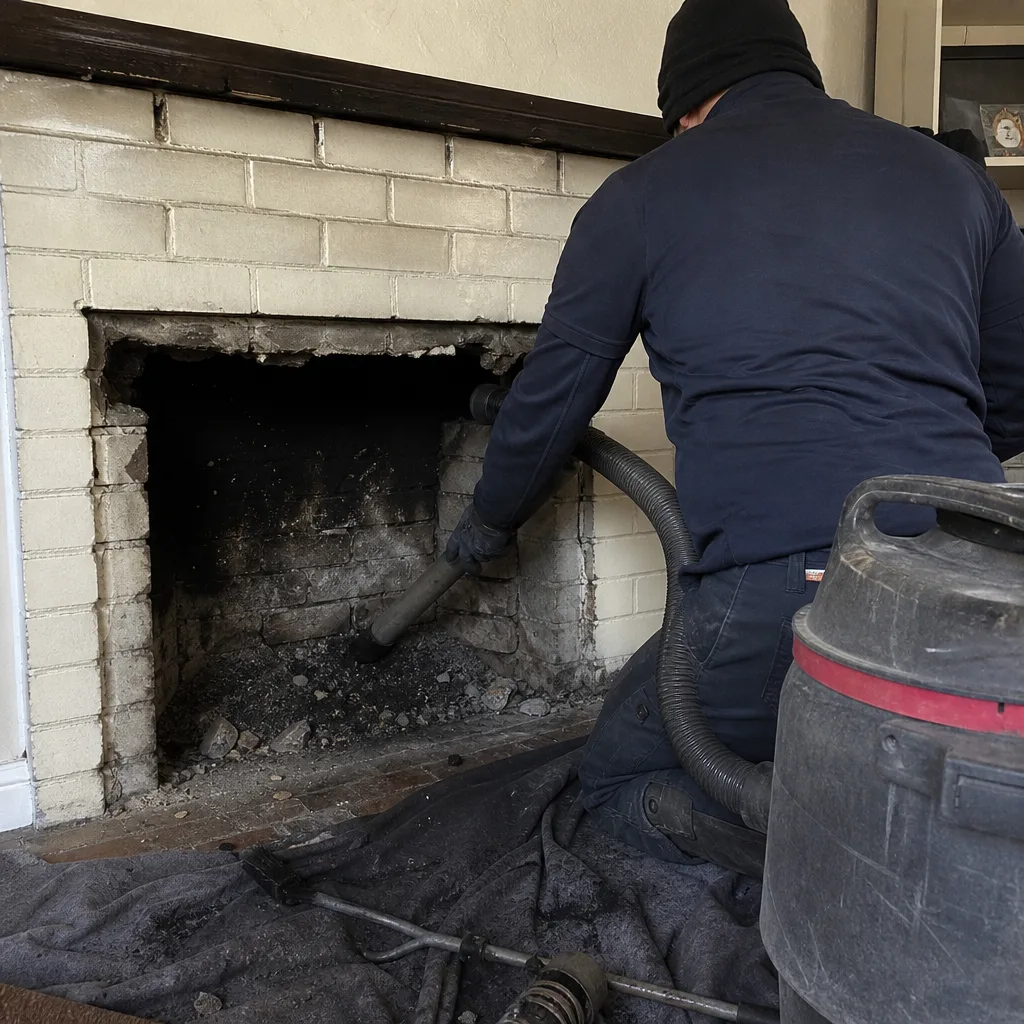 Before
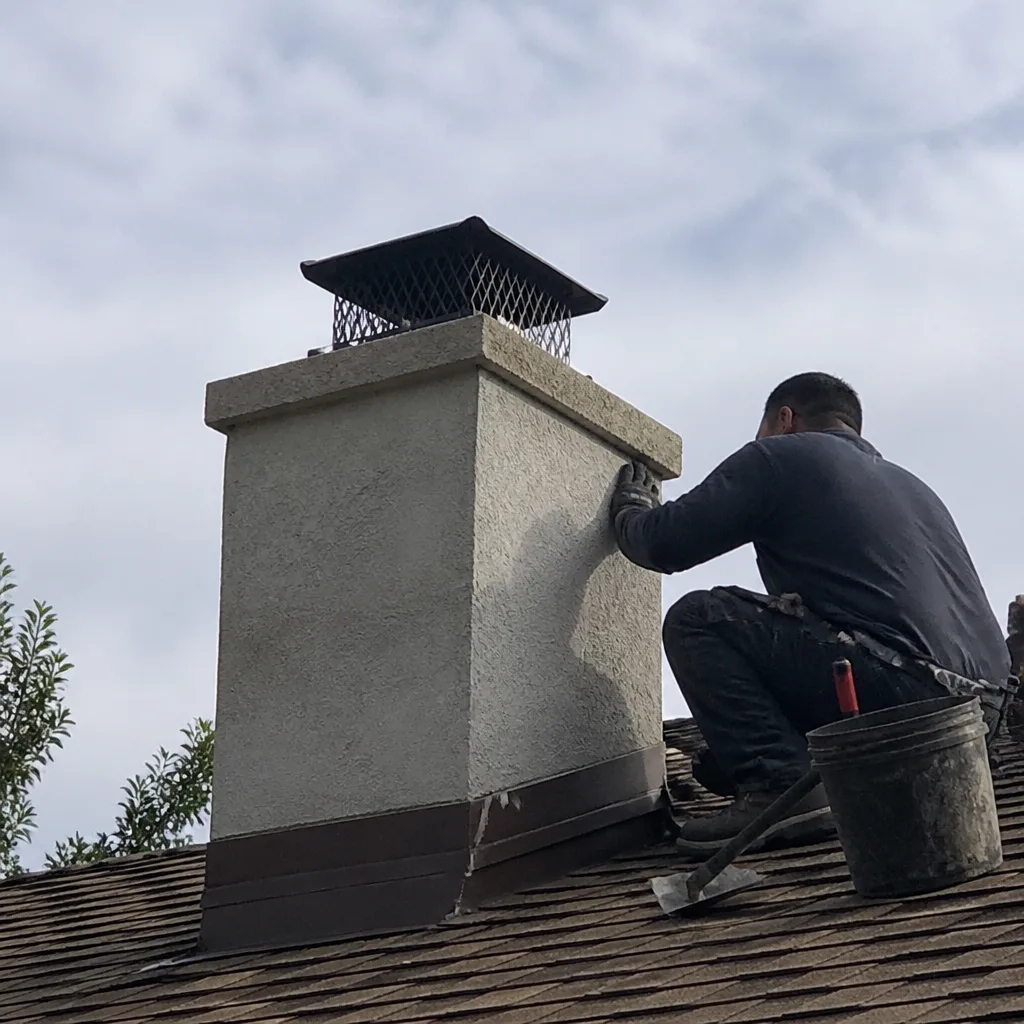 After
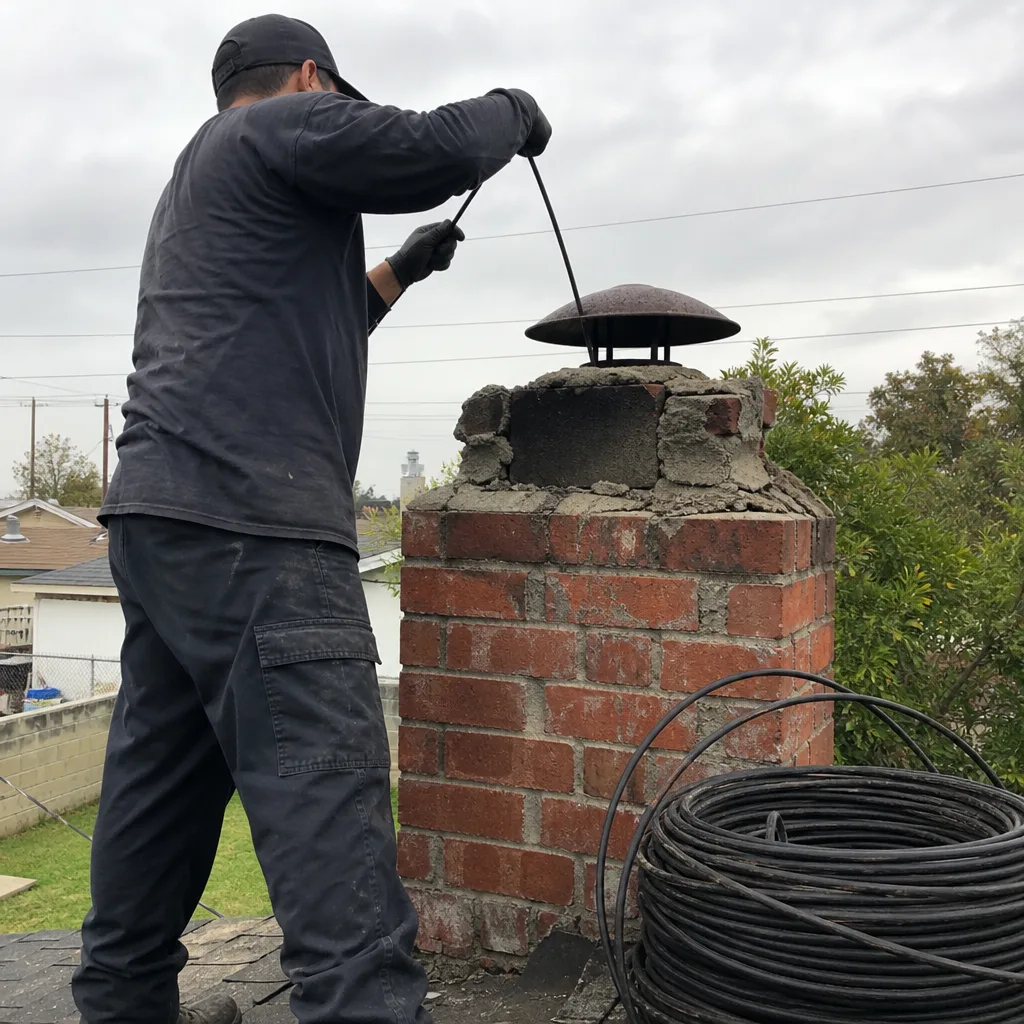 Before
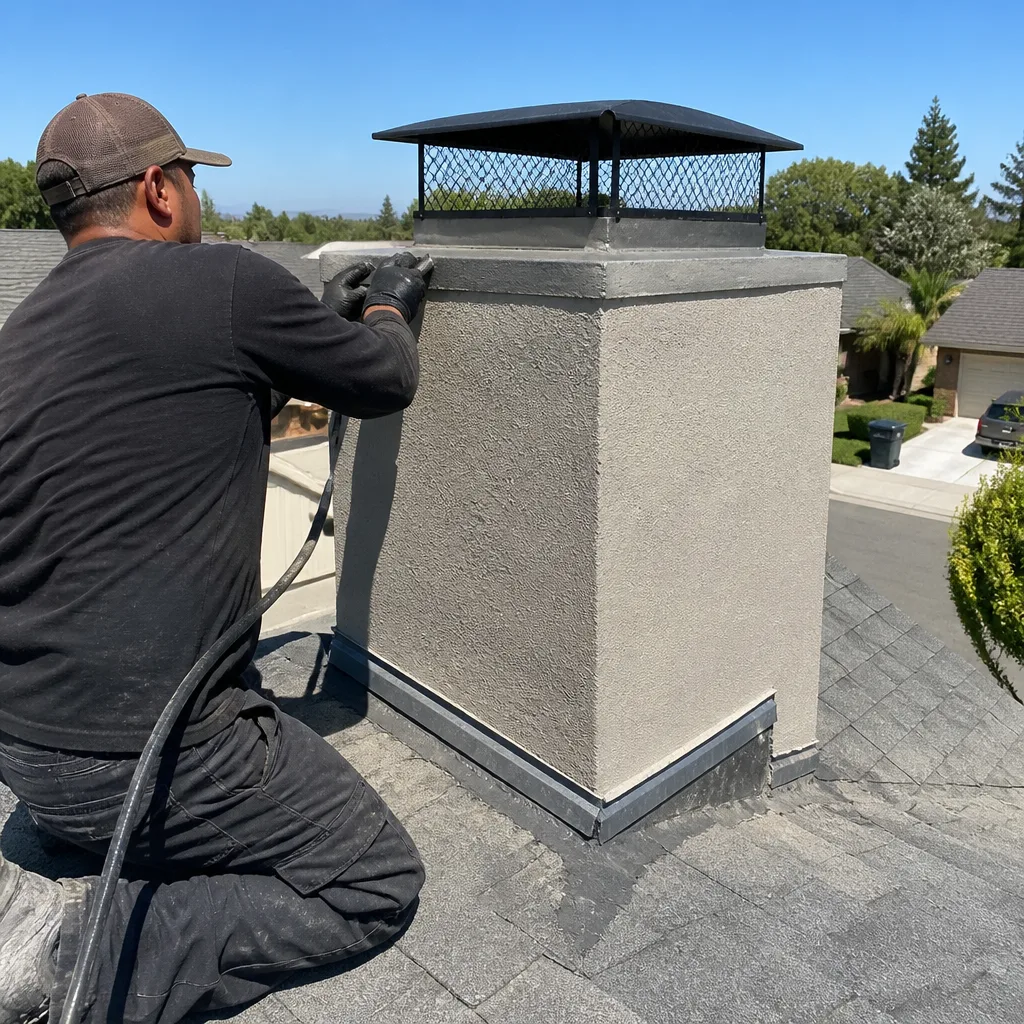 After
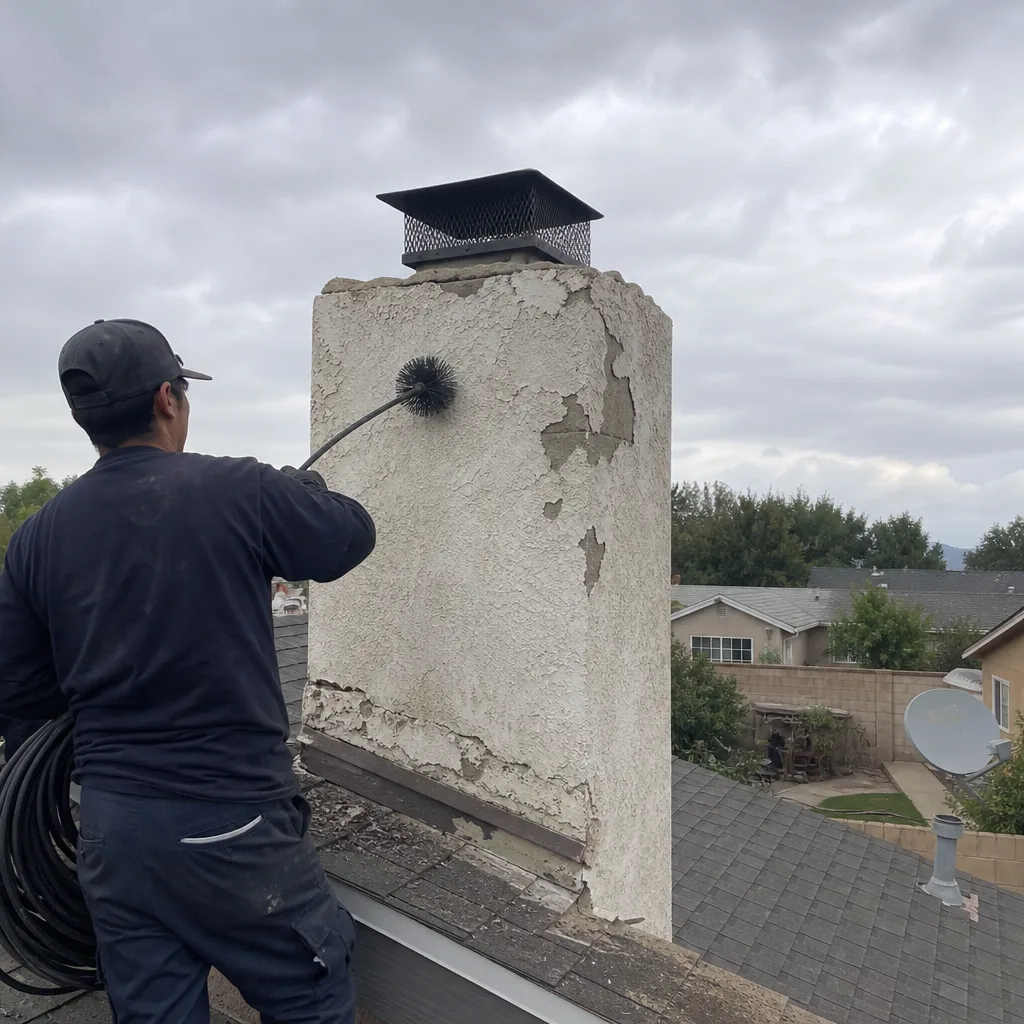 Before
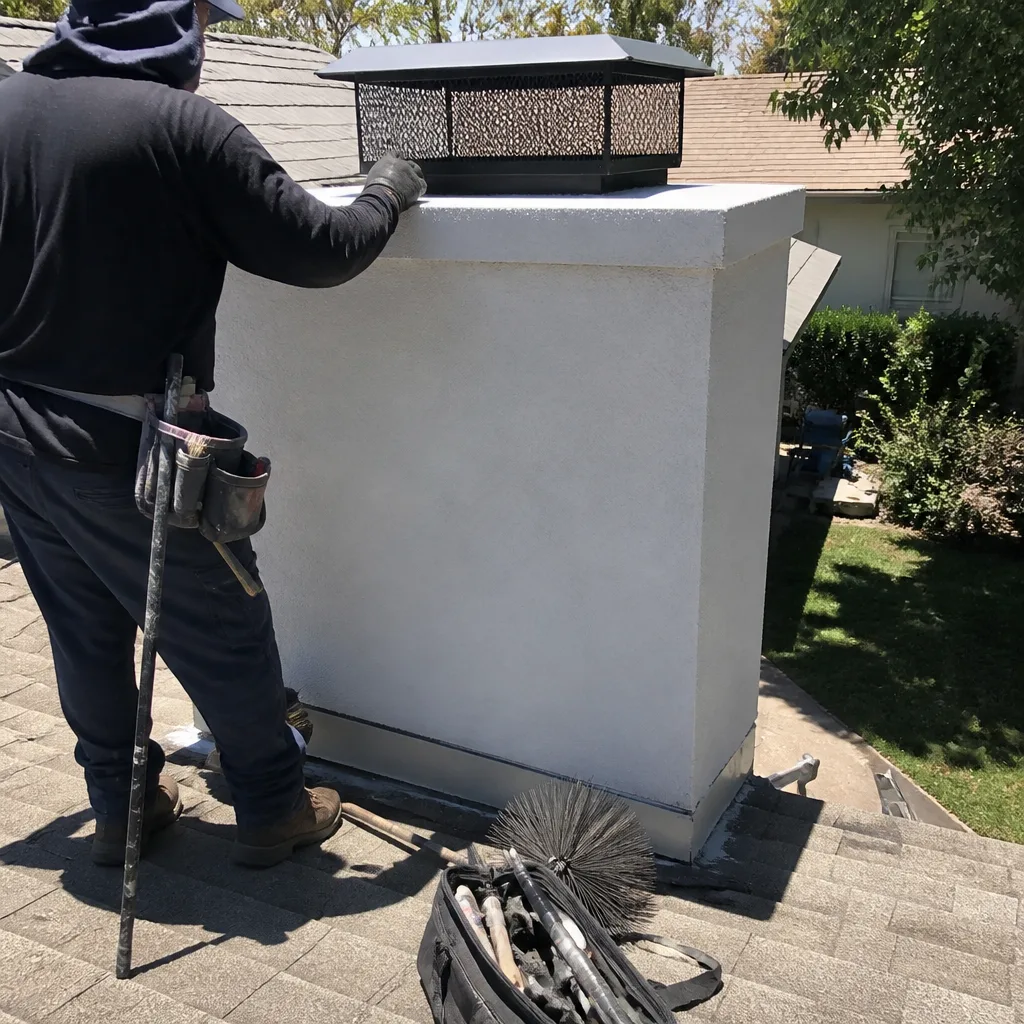 After