
Last updated October 31, 2026
 Sweep & inspection
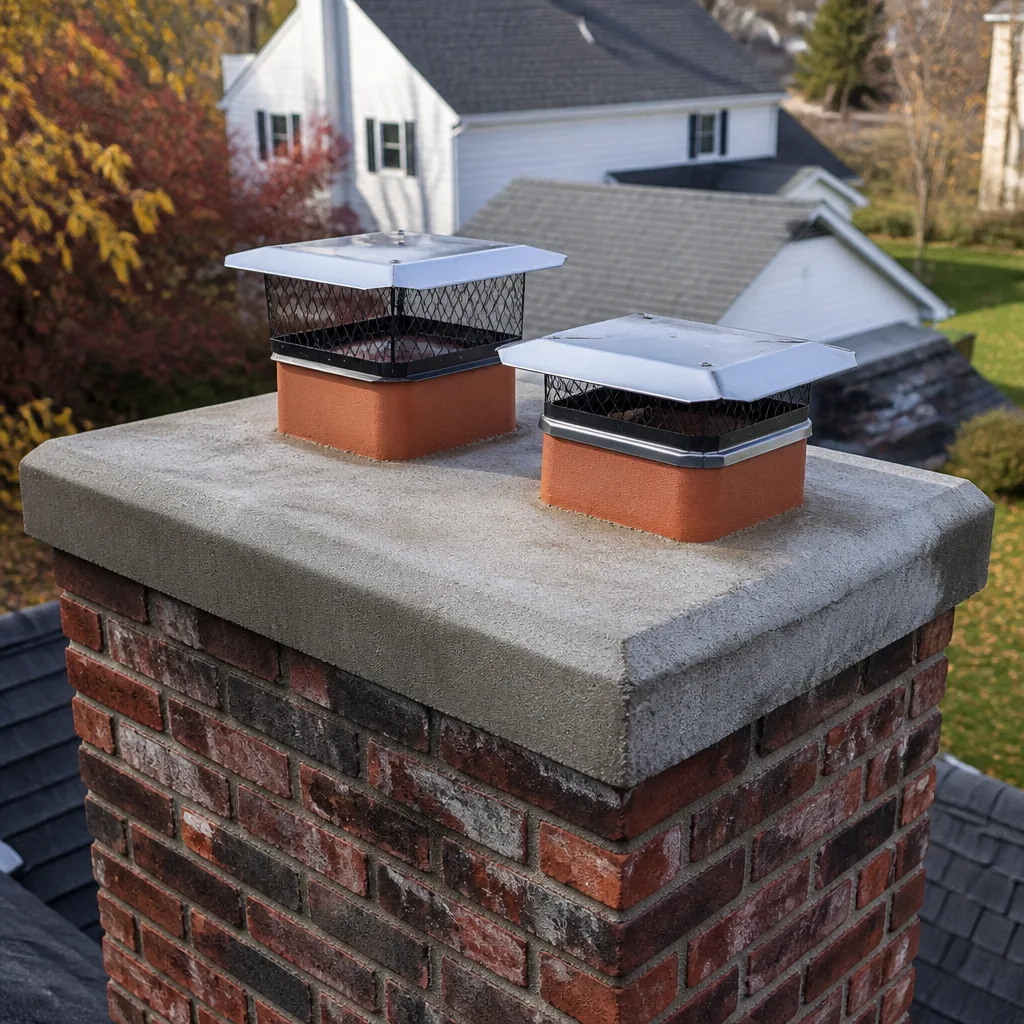
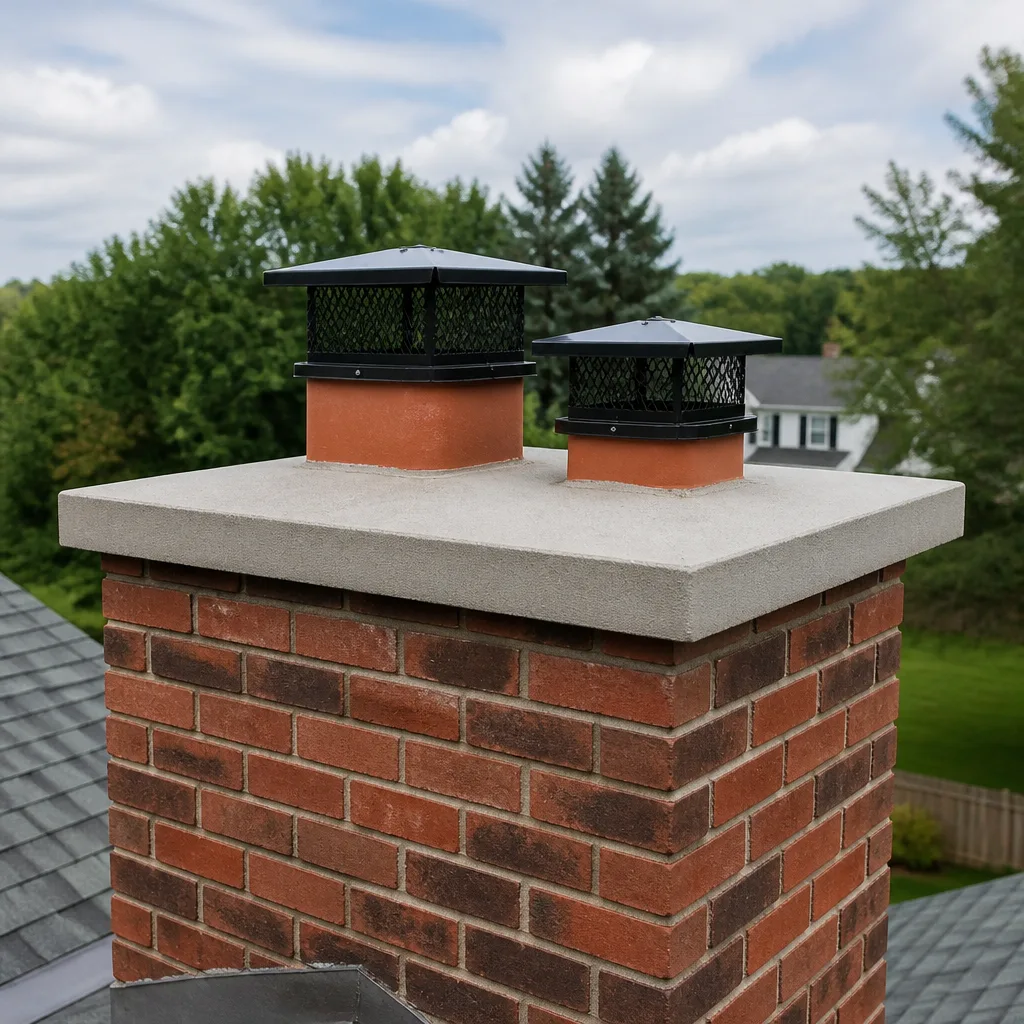 Caps & crowns
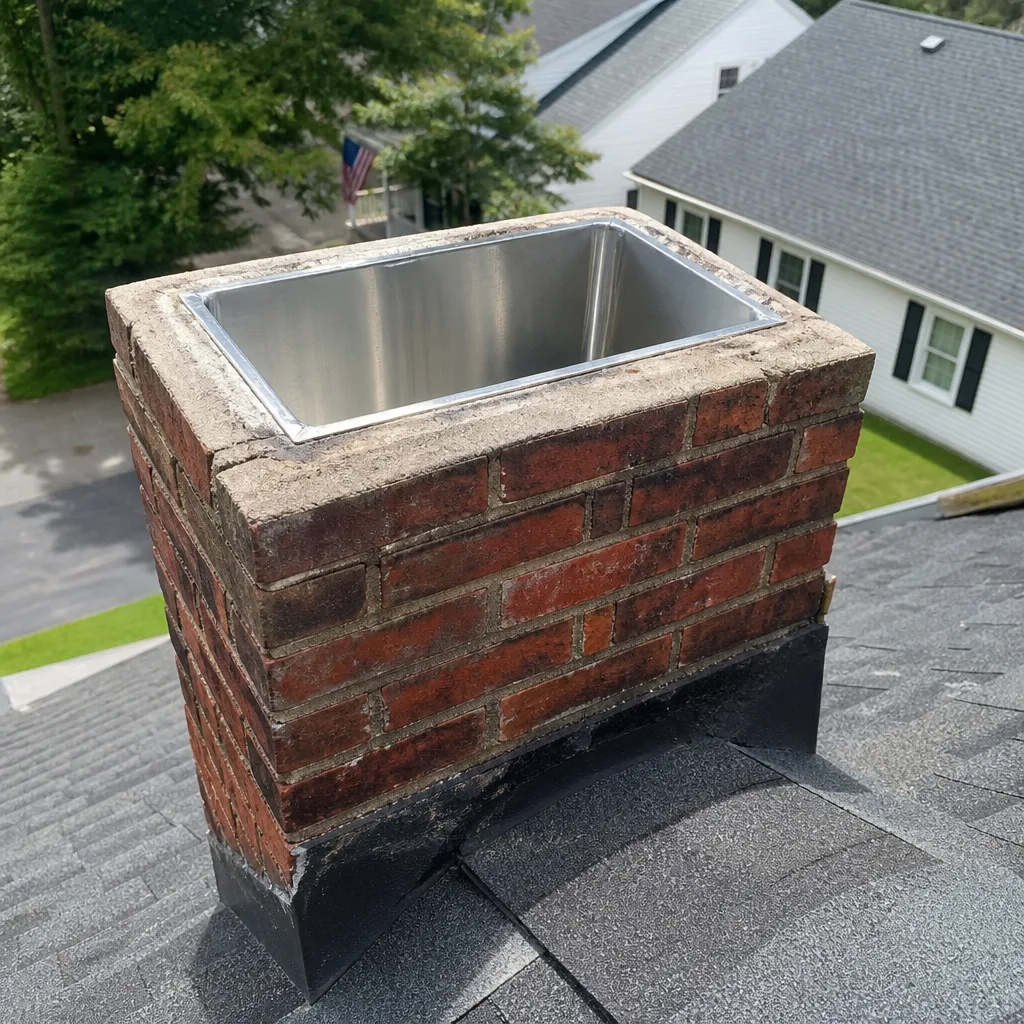 Flue relining
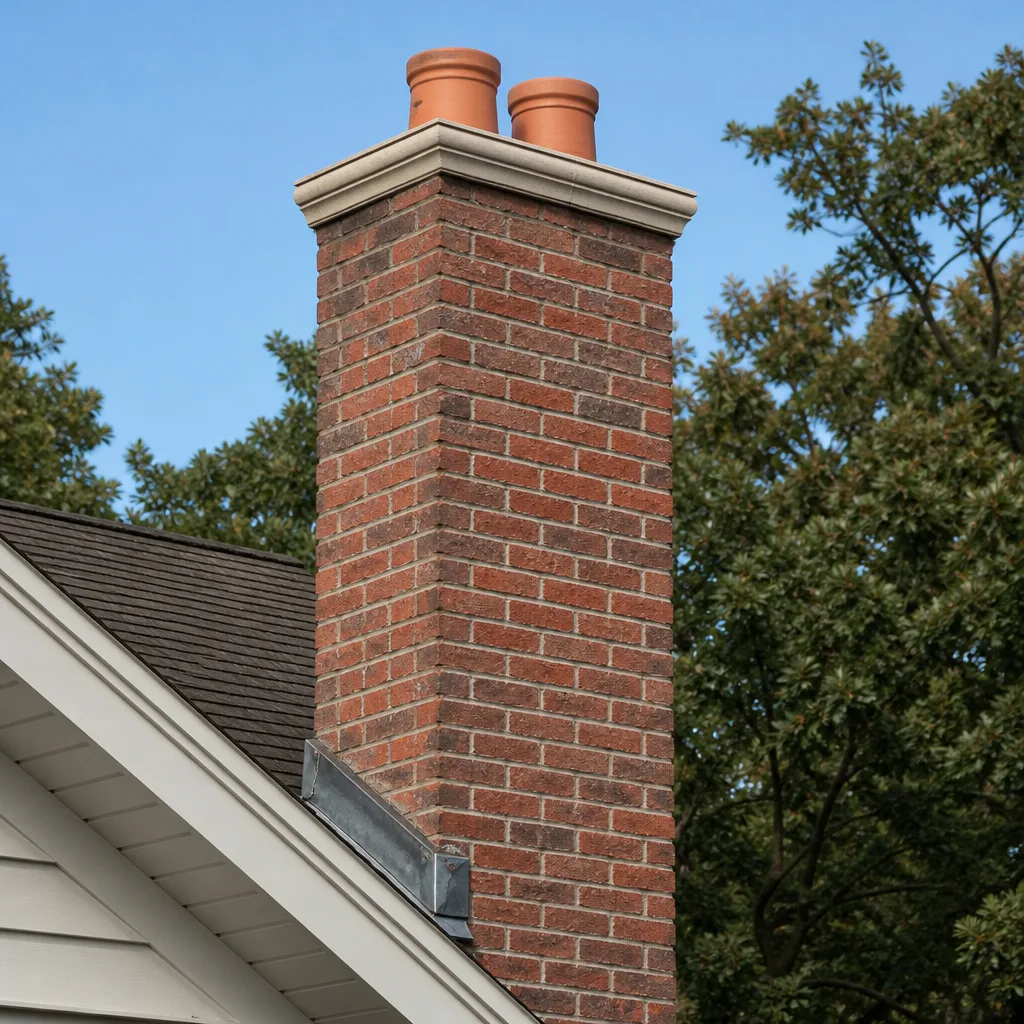 Masonry repair
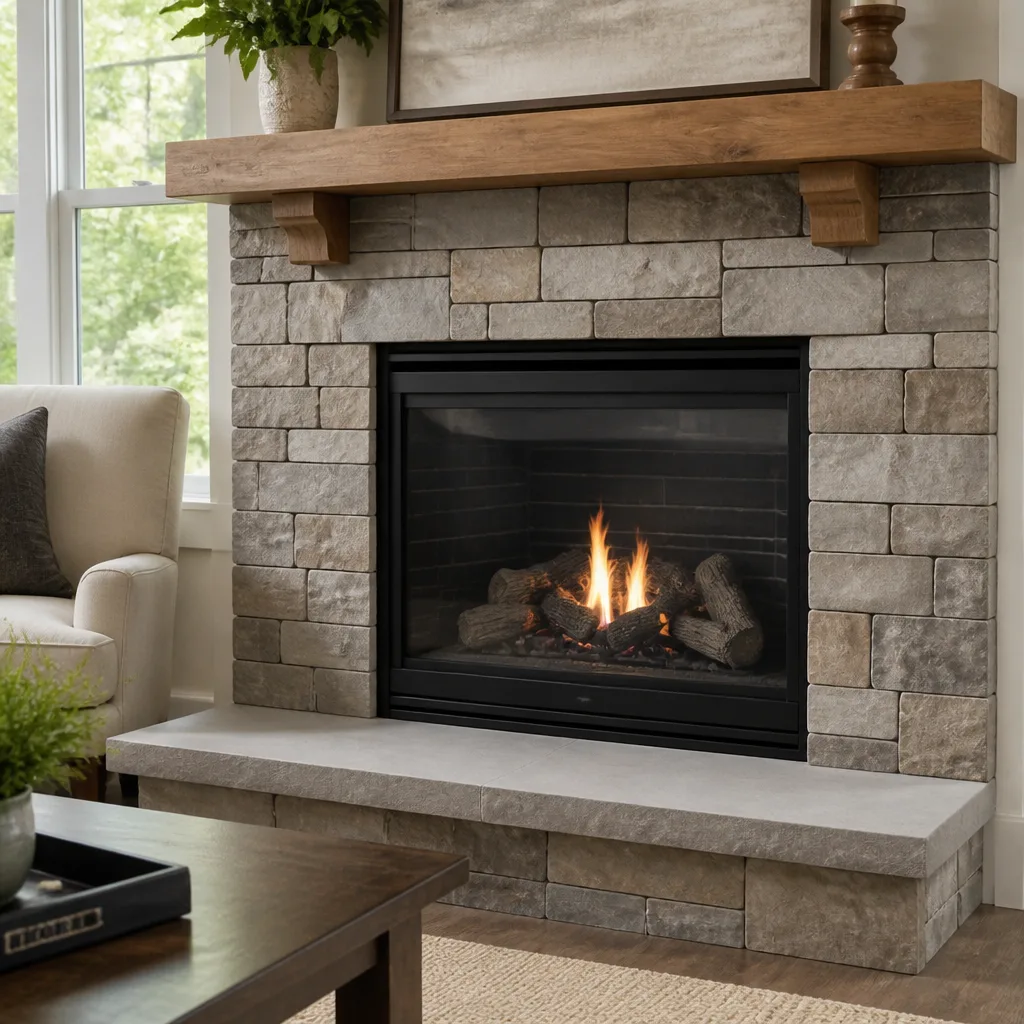 Gas fireplace service
Level 1 sweep and inspection to the NFPA 211 annual standard - flue, crown, cap, and flashing checked and photographed
Chimney sweep logs do not sweep chimneys. They loosen some creosote - which then falls where a brush and vacuum still have to collect it.
Chimney Sweep Troubleshooting: Common Problems and How to Fix Them
Here’s a number most El Monte homeowners never hear: the National Fire Protection Association reports that roughly one in four home heating fires involves a chimney or vent. But here’s the counterintuitive part. Most of those fires didn’t start because someone skipped a sweep. They started because a homeowner diagnosed the wrong problem, fixed the visible symptom, and left the actual cause in place. Smoke backing into the living room gets blamed on a dirty flue. A persistent odor gets blamed on creosote. A crumbling chimney cap gets blamed on weather. Often, the real culprit is something upstream or downstream that a quick Google search never surfaces. This guide walks through the most common chimney complaints, what they actually mean, and the repair sequence that solves them for good. For a deeper look at professional maintenance, see our Complete Chimney Sweep Guide for El Monte Homeowners.
Quick Answer
Most chimney problems are symptoms of three underlying issues: a draft restriction somewhere in the system, moisture intrusion that has gone unresolved, or an air supply problem inside the home. Fix the root cause and the symptom goes away. Chasing the symptom with a chimney cap swap, a hotter fire, or a store-bought cleaning log usually makes the real problem worse over time. A proper chimney sweep in El Monte starts with diagnosis, not a brush. See our Sherwood Chimney Sweep home services for full details on what a diagnostic sweep covers.
Styles & brands we work with
Table of Contents
- The Draft Triangle: Why Your Chimney Actually Works (Or Doesn’t)
- Smoky Fireplace: The Pressure Problem Nobody Mentions
- That Smell: Creosote Odor vs. Active Combustion Smell
- The Moisture Progression: Efflorescence to Liner Failure
- Why It Smokes Worse After a Sweep (And What That Really Means)
- Gas Fireplace and Gas Insert Problems Homeowners Can Actually Diagnose
- The Dryer Vent: The Chimney Problem Nobody Thinks About Until It’s a Problem
- Liner Damage: When to Restore vs. Replace
The Draft Triangle: Why Your Chimney Actually Works (Or Doesn’t)
Chimneys don’t suck smoke up. They don’t pull at all. A fireplace works because the house pushes smoke up the flue. That pressure differential is called draft, and it’s the entire game. When homeowners in El Monte tell us their fireplace “isn’t drawing,” they usually mean smoke is spilling into the room. What they’re really describing is a failure in one of three linked systems.
The draft triangle has three sides. Flue height is the first. A taller flue creates a stronger pressure difference between the firebox and the outside air. The second side is the firebox opening ratio. If the opening is too large relative to the flue diameter, smoke has room to wander before it’s committed to the chimney. The third side is air supply. A fire burns hot air, and that air has to come from somewhere. In older El Monte homes with tightened windows and newer weatherstripping, the fire literally starves for air. It pulls from wherever it can, and often that’s back down the chimney.
Here’s the detail that separates a real diagnosis from a guess: most backdraft complaints in our service area are air supply problems, not flue height problems. The flue was fine when the house was built. What changed is the house. New windows, attic insulation, a remodeled kitchen with a powerful range hood, or a bathroom exhaust fan running during a fire all depressurize the home. The chimney becomes the path of least resistance for air coming in, not going out. Smoke rolls backward because the house is competing with the fireplace.
Testing for this is straightforward. Open a window near the fireplace an inch or two and see if the smoke behavior changes. If it improves within minutes, the issue is negative house pressure. If it doesn’t, the restriction is inside the flue or the chimney is too short for current code. In El Monte, many mid-century homes have chimneys that technically pass but underperform because the flue tiles were sized for older, leakier homes. The fix isn’t always a taller chimney. Sometimes it’s a smaller flue liner, which increases velocity inside the existing height. A Chimney Repair in South Pasadena covers the same diagnostic sequence for clients in that area.
We frame it this way because it matters. You cannot solve a draft problem you haven’t located. Brushes clean. They don’t diagnose. And a homeowner who throws a chimney cap on a backdrafting fireplace has spent $90 to make the problem worse.
Smoky Fireplace: The Pressure Problem Nobody Mentions
Smoke rolling back into your living room isn’t a fireplace problem. It’s a pressure problem. And buying a taller chimney cap won’t fix it. Here’s how to actually trace where the failure is.
When we get a call about a smoky fireplace in El Monte, we start with the house, not the chimney. The chimney is the visible part, so it gets the blame. But the chimney’s job is passive. It waits for the house to push air through it. When the house can’t supply enough air to the firebox, the chimney can’t do its job. It’s not a chimney failure. It’s a whole-house air management failure that shows up at the fireplace.
Here’s the diagnostic order we use, and homeowners can do a version of it themselves:
- Open a window near the fireplace. If the smoke clears or improves within a couple of minutes, you’ve confirmed negative house pressure. The fix is usually a make-up air source near the firebox, not chimney work.
- Check what’s running. Range hoods, bathroom fans, central vacuums, and clothes dryers all exhaust air out of the house. Any of them running during a fire reduces the air available to the chimney. Turn them off and see if behavior changes.
- Look at the firebox opening ratio. A fireplace opening that’s oversized for the flue will always struggle to draft, especially in shoulder seasons when outside temperatures aren’t much colder than indoor temperatures. Sometimes the real fix is a flue liner that reduces cross-sectional area and increases draft velocity.
- Inspect the chimney top and flue. A partially blocked flue, a bird or rodent nest, a broken flue tile, or a spark arrestor clogged with creosote will restrict flow. In El Monte, where the Santa Ana winds carry fine particulate, spark arrestors clog faster than homeowners expect.
- Evaluate the chimney height. Chimneys must extend at least 3 feet above the roofline where they penetrate, and at least 2 feet above anything within 10 feet horizontally. If a homeowner added a room or raised a roofline, the chimney may no longer meet that rule. This is common in older El Monte neighborhoods where additions were built without pulling permits.
The fix that makes sense depends entirely on which step fails. A cap only fixes step 4 if the obstruction is at the top. A liner fix addresses steps 3 and 5. An air supply modification addresses steps 1 and 2. Handing a homeowner a brush and telling them to clean harder addresses none of them.
One more note. Burning wet or unseasoned wood makes everything worse. Wet wood produces a cooler, heavier smoke that doesn’t rise as readily. But even the best-seasoned oak won’t draft in a depressurized house. Wood quality matters, but it’s rarely the root cause of a recurring smoky fireplace.
That Smell: Creosote Odor vs. Active Combustion Smell
Two very different chimney smells get lumped together all the time. One is a nuisance. The other can be a warning that something is actively wrong. Knowing which is which saves money, and occasionally, saves a house.
Creosote odor is the classic warm-weather smell. It’s sharp and acrid, like old asphalt or burnt tar. It appears when outside temperatures rise and humidity climbs, because the creosote deposits inside the flue warm up and off-gas. It’s most noticeable on days when the air conditioner runs and windows stay closed. Homeowners in El Monte notice it in the summer, especially after a wet winter when creosote has absorbed moisture. This smell is unpleasant, but it’s not an active fire. The fix is a thorough chimney sweep. The odor comes from material that shouldn’t be in the flue, and removing it removes the smell. A chimney cap won’t do it. A deodorizer spray is a mask. The sweep is the fix.
Active combustion smell is different. It’s smokier, less chemical, and it doesn’t wait for warm weather. If you smell wood smoke when no fire is burning, or if the smell appears after a fire has been fully out for hours, something may be smoldering inside the flue or in nearby framing. This requires an immediate professional inspection. We’ve responded to calls in El Monte where the homeowner had a small smolder behind a cracked flue liner for weeks before they realized the smell wasn’t just “the fireplace being the fireplace.” The fix was HeatShield resurfacing to seal the cracks, and the only reason it was caught before a house fire is that the homeowner stopped ignoring the smell.
Another smell worth naming: musty or earthy odor. That’s moisture, not creosote. It means water is getting into the chimney and sitting there. The usual entry points are a cracked crown, failed flashing, or a chimney cap that’s missing or undersized. Left alone, that moisture accelerates flue liner damage and brick spalling. We cover the full moisture progression below, but the point here is that smells are diagnostic signals. Each one points to a different failure. Treating them all with “clean the chimney” is like treating every engine noise with an oil change.
For those who call us about smell after a sweep, that’s normal for a few days. A sweep dislodges creosote and dust, and some of it re-settles before fully clearing. It should fade quickly. If it persists beyond a week, or if it returns every time the weather warms, the flue likely has deposits the sweep didn’t fully remove. That’s not a failure of sweeping. It’s a signal that the flue needs a more aggressive mechanical cleaning or that creosote has bonded to a deteriorating liner surface. Both are fixable. Neither should be ignored.
The Moisture Progression: Efflorescence to Liner Failure
Moisture is the slow killer in chimney systems. It never announces itself clearly. It moves through a predictable progression that starts with a cosmetic detail most homeowners overlook and ends with a liner that no longer protects the house. Recognizing each stage from inside the home is the difference between a modest repair and a structural one.
Stage 1: Efflorescence. This is the white, chalky stain that appears on exterior brick. It’s salt deposits left behind when water moves through masonry and evaporates. On its own, efflorescence is cosmetic. But it’s a signal. Water is getting into the brick. In El Monte’s climate, which alternates between dry heat and occasional heavy winter rains, masonry expands and contracts constantly. Water gets in through hairline cracks, and efflorescence shows up where it exits. If you see it, the chimney is telling you it’s absorbing water.
Stage 2: Spalling brick. Spalling is what happens when absorbed water freezes or superheats and flakes the face off a brick. You’ll see brick faces on the ground near the chimney, or you’ll see shallow depressions in the brick texture itself. Spalled brick isn’t a surface problem. The brick has lost its protective fired surface, and every subsequent rain cycle penetrates deeper. At this stage, you have structural work ahead. We see this constantly on older El Monte chimneys where the crown has been failing for years and nobody connected the dots from efflorescence to spalling.
Stage 3: Cracked crown. The crown is the concrete slab that caps the chimney. It’s not the same as the chimney cap, which is the metal or stone cover that keeps rain out of the flue opening. The crown sheds water off the top of the chimney assembly. When it cracks, water runs directly into the brick below and into the space around the flue liner. Cracked crowns are the most common entry point we find on El Monte chimneys. They’re consistently overlooked because nobody looks up. From inside the home, a cracked crown may present as water staining on the ceiling near the chimney chase, musty odor when the air conditioner runs, or efflorescence appearing near the top of the chimney.
Stage 4: Compromised liner. Once water has been moving through the chimney system for long enough, the flue liner itself begins to degrade. Clay tile liners crack under repeated thermal stress. The gaps between flue tiles open up. A compromised liner no longer contains combustion gases. It no longer protects combustible framing from heat. And in many cases, it no longer drafts correctly. This is the stage where a chimney fire becomes a house fire. The liner is the last line of defense. When it fails, the system is no longer safe to use.
The repair sequence depends on the stage. Stage 1 and early Stage 2 may require crown repair, a chimney cap, and some tuckpointing. Stage 3 is crown replacement and possibly waterproofing. Stage 4 is liner repair or replacement. Sherwood Chimney Sweep stocks and installs DuraFlex flexible liner systems, a benchmark product in professional chimney relining. For help selecting components, read our guide on Choosing the Right Chimney Cleaning Brand: A Buyer’s Guide for El Monte. We also apply HeatShield resurfacing for flues that have minor cracking but are otherwise structurally sound. “Restore before you replace” isn’t a slogan. It’s the correct order of operations for a homeowner who wants a safe chimney without paying for a full tear-out that may not be necessary.
Our Chimney Sweep in South Pasadena team documents each of these stages with camera inspection, and the homeowner gets the photos. You should never take a repair recommendation on faith. If a contractor tells you the liner is compromised, ask to see the camera footage. If the flue tiles are cracked, you’ll see it. We say this because a written report means more when you can look at the actual condition with your own eyes.
Why It Smokes Worse After a Sweep (And What That Really Means)
We hear some version of this at least once a month: “You swept the chimney and now it smokes worse than before.” The homeowner is understandably annoyed. They paid for a sweep and got a smokier fireplace. The instinct is to blame the sweep. But the truth is usually the opposite of what it looks like.
A chimney sweep removes creosote, soot, and debris from the flue. If the chimney drafts properly, the removal of that material should improve draft, not make it worse. A flue that’s been narrowed by creosote has a smaller cross-section, which can actually increase draft velocity in some cases because the same volume of smoke moves faster through a smaller space. When that creosote is removed, the flue opens up, velocity drops slightly, and if the chimney was already marginal, the smoke behavior changes. The sweep didn’t cause the problem. It revealed it.
Here’s the sequence we explain to homeowners:
- A dirty flue can mask a draft deficiency. The creosote was acting as a temporary restriction that made the fire burn like the flue was smaller than it is. Once removed, the true draft characteristics show up.
- The sweep may have dislodged material that’s now partially blocking the flue. This is rare with a proper mechanical sweep, but it can happen when old clay tiles crumble during cleaning. The sweep should have caught this on the post-sweep inspection. If they didn’t do one, that’s a red flag.
- The firebox opening ratio was always wrong for the flue. The flue was sized for a larger firebox, or the firebox was enlarged during a remodel. The creosote was compensating. A liner with a smaller diameter fixes this properly.
- The house pressure changed between the last fire and the sweep. New windows, a new range hood, or even weatherstripping added to doors can shift the pressure balance. The sweep simply happened around the same time.
When we get a “smokes worse after sweep” call in El Monte, our first move is a camera inspection and a draft test. We’re not looking for what the previous sweep missed, though we do check. We’re looking for what the clean flue is now revealing. Often it’s an undersized liner or a chimney that was always marginal and the creosote was doing the work of a restriction that a proper liner should do deliberately.
The fix is seldom another sweep. It’s a diagnosis. And this is where the difference between a basic sweep company and a full-service chimney company shows up. A basic company sweeps and leaves. A full-service company sweeps, inspects, documents, and tells you when the sweeping revealed a larger issue. That’s the distinction. Fire prevention isn’t just cleaning. It’s knowing what the cleaning uncovers. Sherwood Chimney Sweep treats sweeping as a diagnostic step, not the end of the job.
Gas Fireplace and Gas Insert Problems Homeowners Can Actually Diagnose
Gas fireplaces have their own failure patterns, and they’re different from wood-burning systems. Homeowners can spot some of these without calling a tech, but a few require trained hands. Here’s what to look for, and what it means.
First, the pilot light. If the pilot won’t stay lit, the usual culprits are a dirty thermocouple, a weak pilot flame, or a draft problem at the termination cap. The thermocouple is the safety device that tells the gas valve the pilot is burning. When it gets coated with soot or corrosion, it stops sending that signal, and the gas valve shuts the whole thing down. A homeowner can sometimes clean the thermocouple with fine steel wool, but if the problem returns, the thermocouple needs replacement. If the pilot flame is small and mostly blue with a yellow tip that’s normal. If it’s lazy and mostly yellow, the pilot orifice may be partially clogged. That’s a service call.
Gas inserts vent differently than traditional fireplaces. They use either a direct-vent system, which pulls outside air through a coaxial pipe and exhausts through the center, or a natural-vent system that uses the existing chimney. Direct-vent problems often show up as condensation inside the glass, sooting on the logs, or the unit shutting down mid-use. The most common cause in El Monte is a blocked or disconnected vent termination that’s allowing exhaust to recirculate into the combustion air intake. Sooty glass is a diagnostic signal. It means the air-fuel mixture is off, or the venting is restricted.
Natural-vent gas inserts and gas logs use the existing chimney as an exhaust path. That means everything that applies to a wood-burning chimney still applies here. The flue needs to be in good condition. The draft triangle still governs how well combustion gases leave. A gas log set in a fireplace with a cracked liner is pushing carbon monoxide into the surrounding masonry, and from there it can find its way into the home. We’ve tested enough El Monte fireplaces with gas logs to know that the homeowners who assume a gas fireplace is “maintenance-free” are the ones most likely to have an unsafe setup. Gas fireplaces still need annual inspection, still need venting that works, and still need a chimney system that’s in good condition.
The carbon monoxide point matters more than the cosmetics. Gas burning produces less visible exhaust, which means homeowners can’t see when venting has failed. The first sign is often a CO detector going off, and ideally, it’s a functioning detector, not a headache and nausea that gets written off as something else. We recommend CO detectors on every floor where a fireplace or fuel-burning appliance operates. For El Monte homes with gas fireplaces, this is not optional. It’s the single highest-return safety investment you can make for under $40.
When a gas fireplace needs work, the repair scope ranges from replacement of a thermocouple or thermopile, to venting repair, to liner restoration. We use Copperfield and Famco components in gas venting systems, sourced through the same professional supply chains used by certified chimney engineers. The distinction matters because gas venting is not an area where hardware-store parts should be substituted. Combustion venting components are tested as systems, and mixing brands or rigging connections creates leaks.
The Dryer Vent: The Chimney Problem Nobody Thinks About Until It’s a Problem
A clothes dryer pushes hot, moist, lint-laden air through a duct and out of the house. That duct is a venting system, and it fails the same ways chimneys fail: restriction, disconnection, and moisture problems. The stakes are fire. The U.S. Fire Administration attributes roughly 2,900 home dryer fires each year, and the leading cause is lint accumulation in the vent.
Homeowners can catch this before it becomes a fire. The signs are consistent. Clothes take longer than one cycle to dry, especially towels and bedding. The dryer exterior gets unusually hot during a cycle. The laundry room is more humid than normal. The outdoor vent cover doesn’t open when the dryer runs, or it doesn’t close afterward. And the most overlooked signal: a burning smell that occurs only during certain cycles. That’s not a dryer motor failing. That’s lint smoldering inside the vent.
Here’s the diagnostic sequence we walk homeowners through, from least to most urgent:
- Check the outdoor vent flap. It should open fully during the drying cycle and close when the dryer stops. A flap that’s stuck partially open lets outside air and pests into the duct. In El Monte, where we get hot, dry Santa Ana winds, a stuck-open flap is common because the flap mechanism flexes in heat.
- Check the lint trap. If the screen is clean and the dryer still takes long, the restriction is downstream in the duct, not at the trap. Fabric softener residue builds on lint screens and reduces airflow even when the screen looks clean. Wash the screen monthly with soapy water.
- Inspect the duct run. The duct should be a rigid metal or semi-rigid metal run, not flexible foil or vinyl. It should be as short as possible with minimal bends. Long runs, especially on interior walls, are where lint accumulates first. A dryer vent cleaning every one to two years removes what the screen can’t catch.
- Watch for moisture. Condensation inside the duct means the run is too long or improperly sloped, allowing moist air to cool and condense before it exits. That moisture traps lint against the duct walls and accelerates buildup.
Most dryer vents get ignored until the dryer stops drying. By then, the restriction is significant. We recommend a Dryer Vent Cleaning in South Pasadena for any home where the dryer is more than a few years old and the vent hasn’t been cleaned. In our El Monte service area, we see a lot of older homes where the dryer vent was installed decades ago and was never revisited. Some of those vents have never been cleaned. The dryer itself has been replaced twice, but the vent is still the original.
The convenience of one contractor handling both the chimney and the dryer vent matters here. Both are fire-prevention systems. Both fail through restriction and accumulation. Both benefit from the same diagnostic mindset. Sherwood Chimney Sweep treats them as part of one conversation about home fire safety, which is how homeowners should think about them too. Visit our blog for more guides & resources on keeping your home safe.
Liner Damage: When to Restore vs. Replace
The flue liner is the core of the chimney system. It contains heat, channels combustion gases, and protects combustible framing from both. When it’s compromised, every other part of the chimney operates under stress. The question homeowners ask is simple: do I need a new liner, or can the existing one be saved?
The answer depends on what kind of liner you have and what’s wrong with it. Clay tile liners are the original material in most older El Monte homes. They crack. That’s their failure mode. Thermal cycling, moisture, and age all contribute, and once a tile liner cracks, the cracks don’t heal. The question is how extensive the cracking is. Hairline cracks isolated to one or two sections can sometimes be addressed with HeatShield resurfacing, which applies a ceramic coating to the flue interior that seals minor gaps and restores a continuous surface. More extensive cracking, multiple failed tile sections, or tiles that have shifted out of alignment require a new liner. That’s where DuraFlex flexible liner systems come in: a continuous stainless steel liner that’s sized to the existing flue and installed without rebuilding the chimney.
Stainless steel liners fail less often than clay, but they do fail. The most common issue is corrosion, especially in flues that vent gas appliances. Gas combustion produces acidic condensate that eats steel over time. A stainless liner that’s pitted or perforated needs replacement. A stainless liner that’s simply dirty needs a cleaning. The difference is visible with a camera inspection.
Cast-in-place liners, which are poured as a slurry and cured in place, have their own failure patterns. They can crack if the original flue shifts, and they can spall if water gets behind the material. Repair options are limited, and replacement sometimes means a full chimney rebuild. This is why the moisture progression matters. A liner that’s been regularly exposed to water will fail faster than one that’s been kept dry.
The rule we apply, and that homeowners should apply too: if the liner can be restored without compromising safety and the repair will hold for the expected life of the system, restore. If the liner has multiple failure points, if the material is failing rather than just sealed cracks, or if restoration would cost more than 60 percent of a replacement, replace. The worst outcome is paying for a restoration that fails in two years because the underlying condition wasn’t addressed. That’s why we document every liner with camera footage before recommending one path or the other. Homeowners should see the same images we see and hear the same reasoning.
Gelco chimney caps and other top-sealing components are part of this conversation too, because the best liner in the world won’t last if the chimney is still taking on water. Liner work and moisture control happen together. That’s the full-system lens. A Chimney Repair in South Pasadena begins with the same moisture and camera assessment, because a liner is only as good as the crown and cap that protect it.
Common Mistakes to Avoid
- Burning cardboard, wrapping paper, or construction scraps to “clean” the flue. These materials burn hot and erratically, and they create airborne embers that can ignite creosote deep in the flue. They don’t clean anything. They add fuel where you don’t want it. In an El Monte chimney with an existing liner crack, burning cardboard is how a routine fire becomes a chimney fire.
- Using a store-bought creosote cleaning log as a substitute for a physical sweep. These logs alter the chemical structure of creosote in some cases, but they don’t remove it. A flue that’s due for a sweep is still due for a sweep. The log changes nothing about the physical layer of material sitting in the flue.
- Assuming a gas fireplace doesn’t need service. Gas fireplaces produce carbon monoxide. They vent through chimneys or direct vents that clog, corrode, and fail. A gas fireplace that runs without an annual inspection is a CO risk, full stop.
- Sealing the fireplace opening with a newer, tighter door without verifying air supply. A tight door on a firebox that was getting air through the opening can stall the draft entirely. Now you’ve traded a smoky fireplace for a fire that won’t stay lit. Air supply and door sealing have to be considered together.
- Caulking visible cracks on the chimney exterior without repairing the water entry point. Caulk on spalled brick or a cracked crown is cosmetic. The water is already inside the masonry, and sealing the outside just traps it. The chimney then degrades faster because the moisture can’t escape. Repair the crown, address the flashing, and replace damaged brick. Then waterproof the surface if needed.
- Ignoring a smell because “it’s always done that.” A chimney that always smells like creosote in warm weather has creosote buildup that hasn’t been removed. It’s not a personality trait of the house. It’s a maintenance item. And a chimney that always smells smoky after a fire may have a smoldering issue that’s been active for years.
- Venting a dryer into the attic or crawlspace because the exterior vent is inconvenient. Some El Monte homes have this. It dumps moist, lint-laden air into an enclosed space, which grows mold and builds lint drifts that become kindling. It’s a code violation and a fire hazard. The vent needs to terminate outside.
See the difference
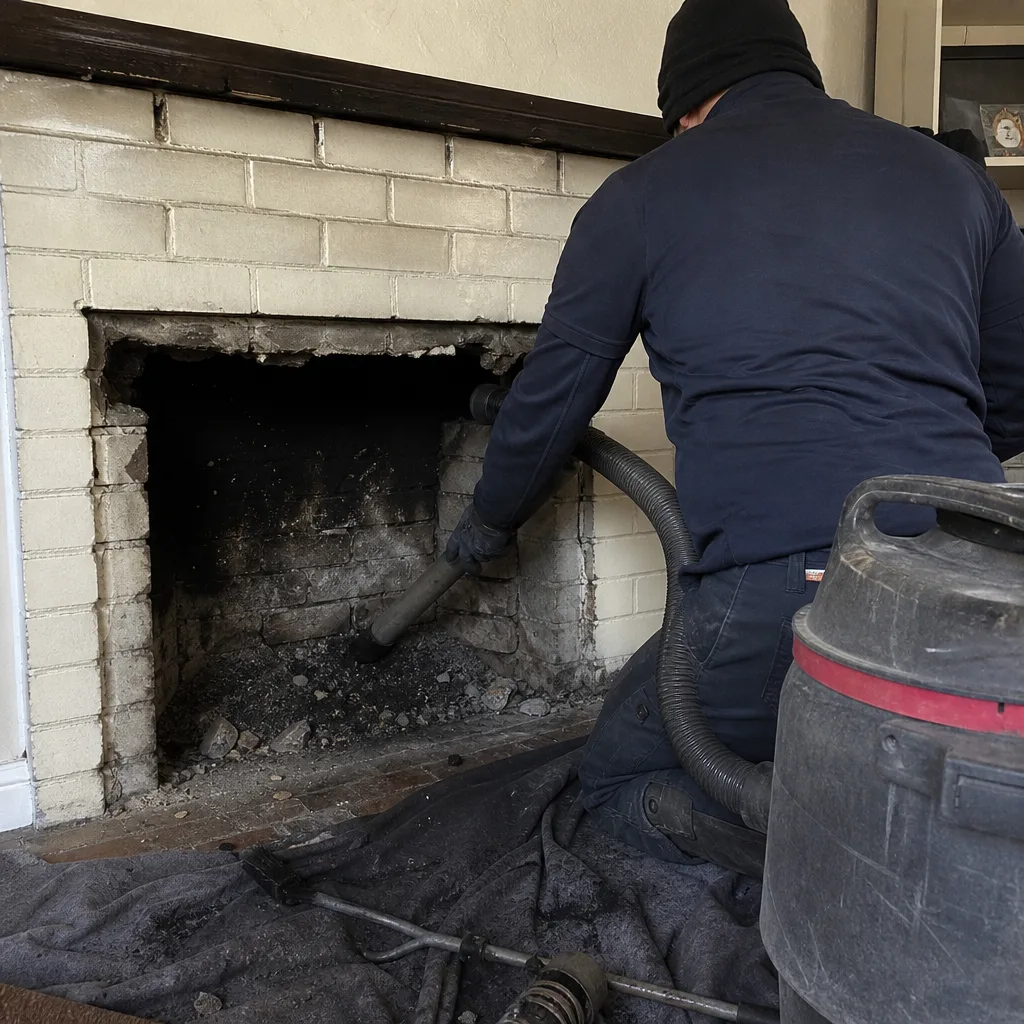 Before
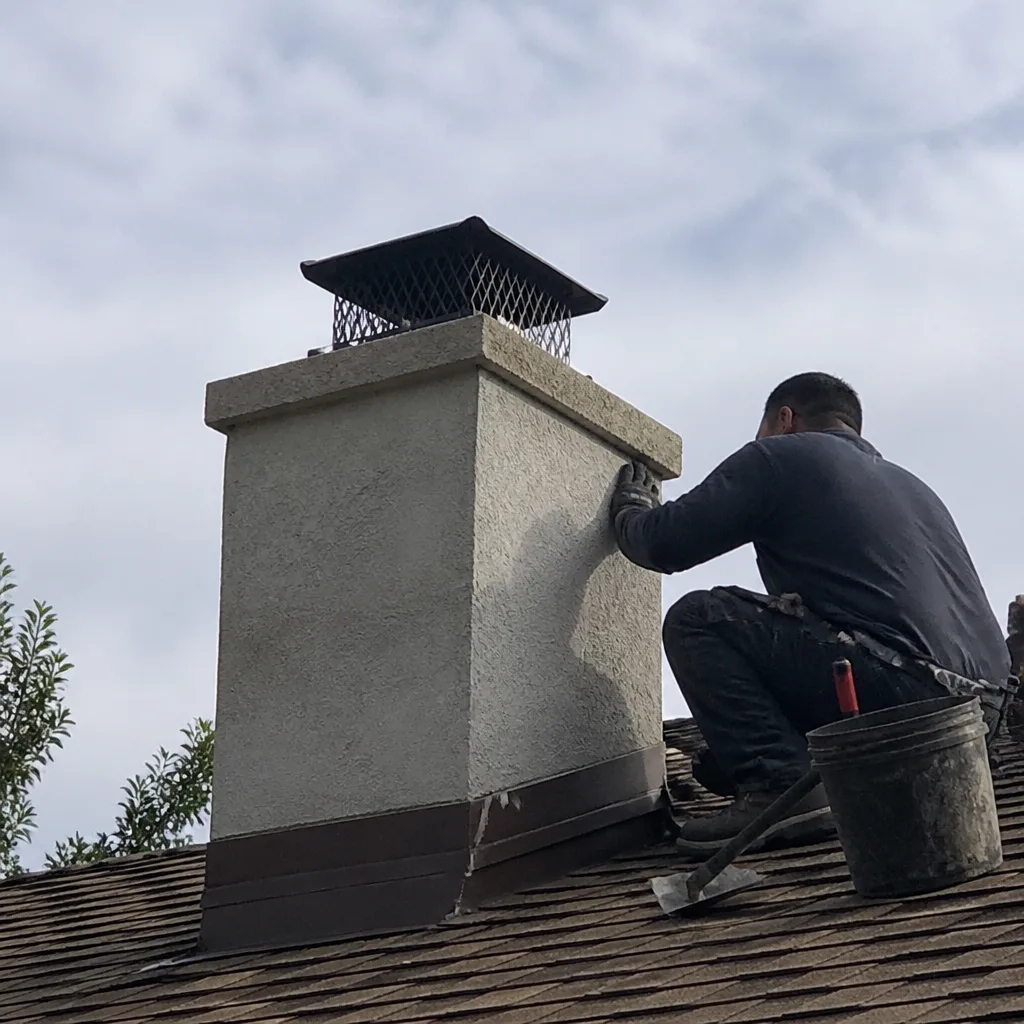 After
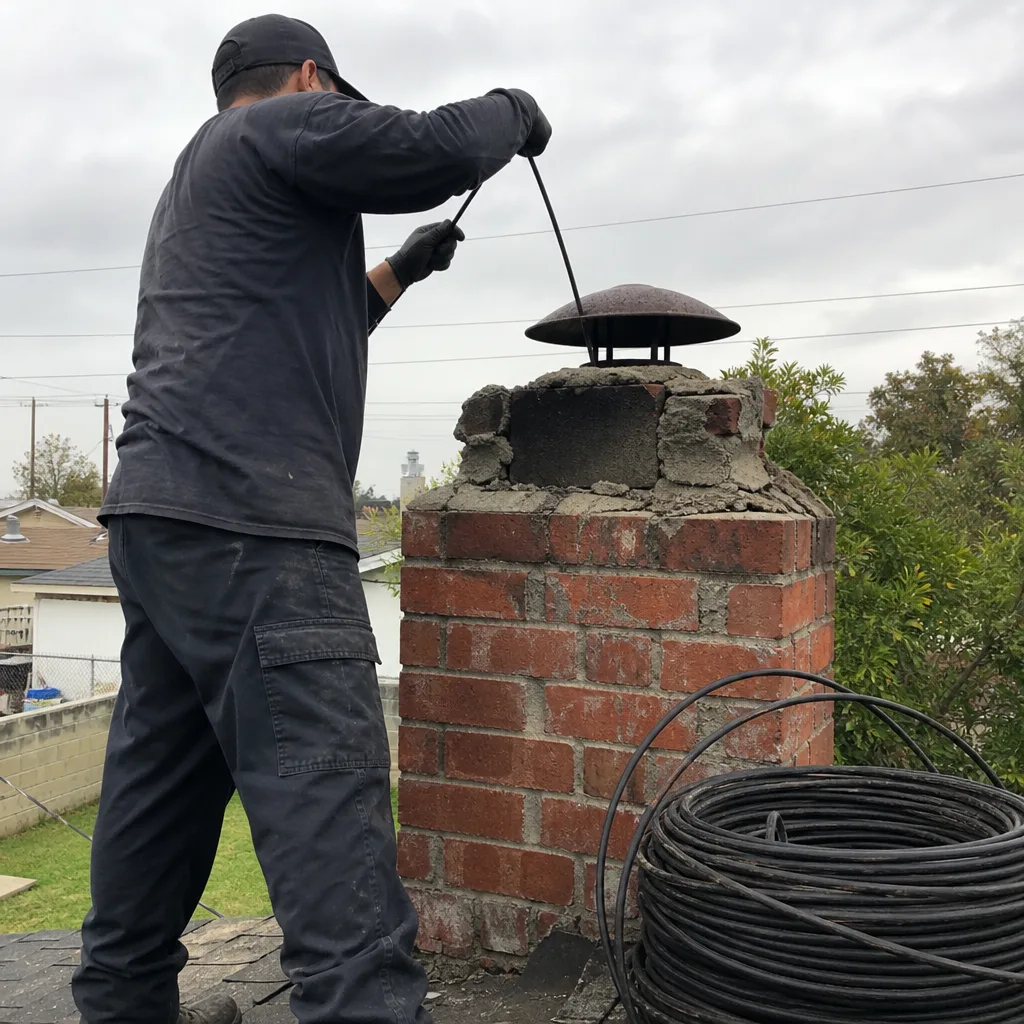 Before
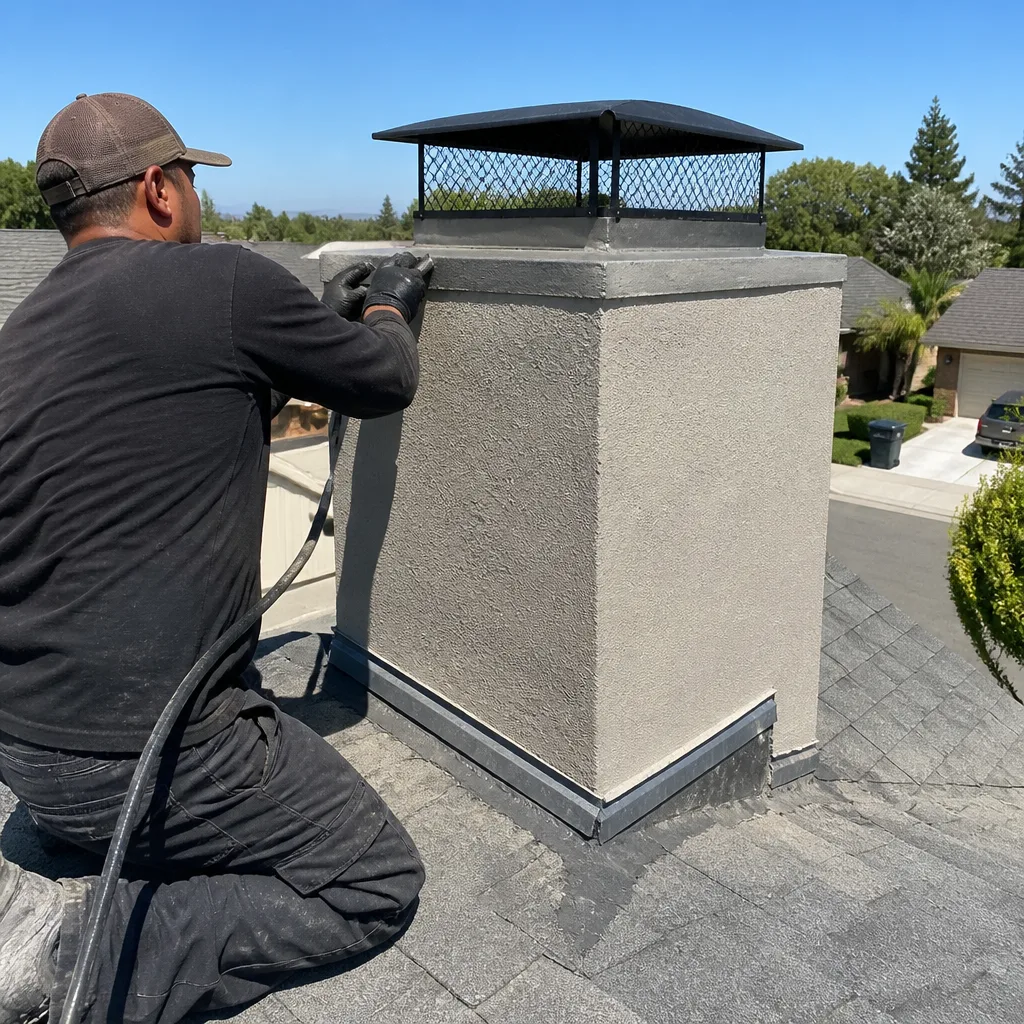 After
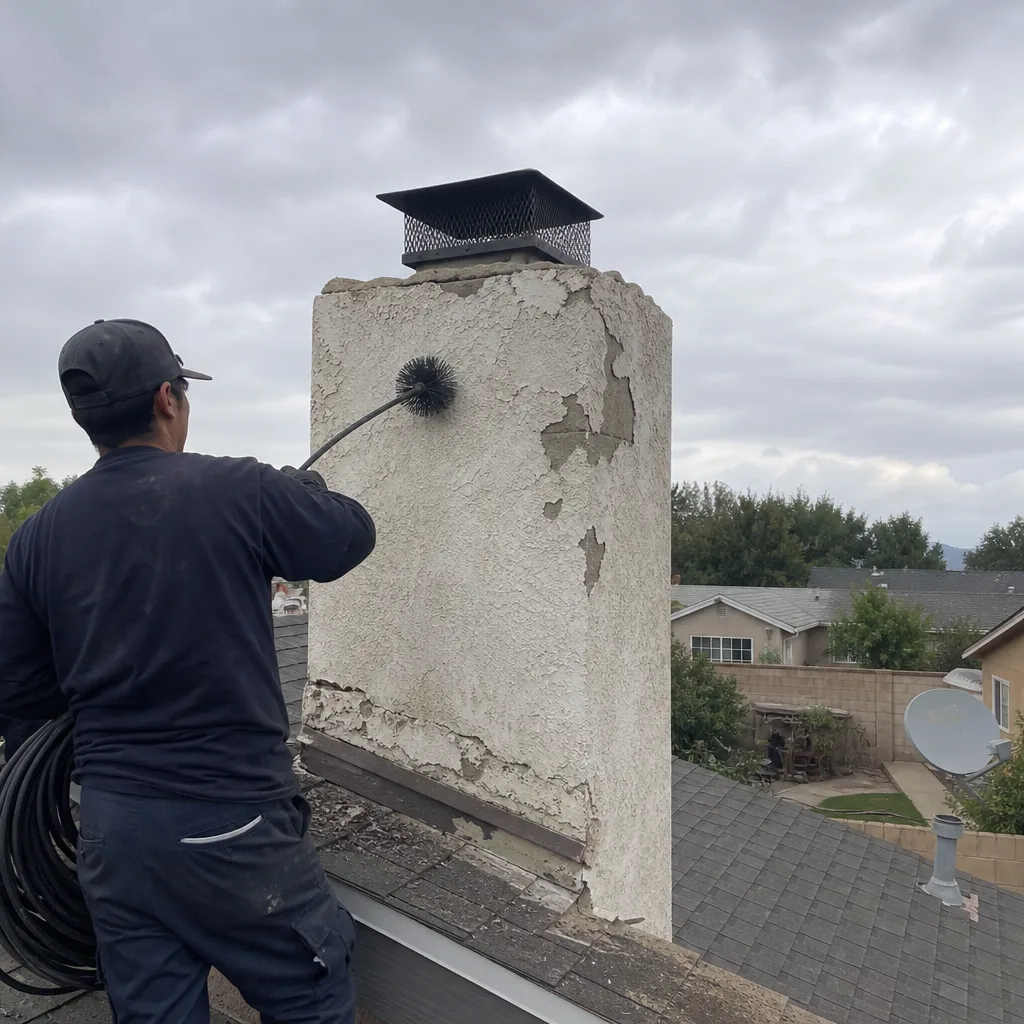 Before
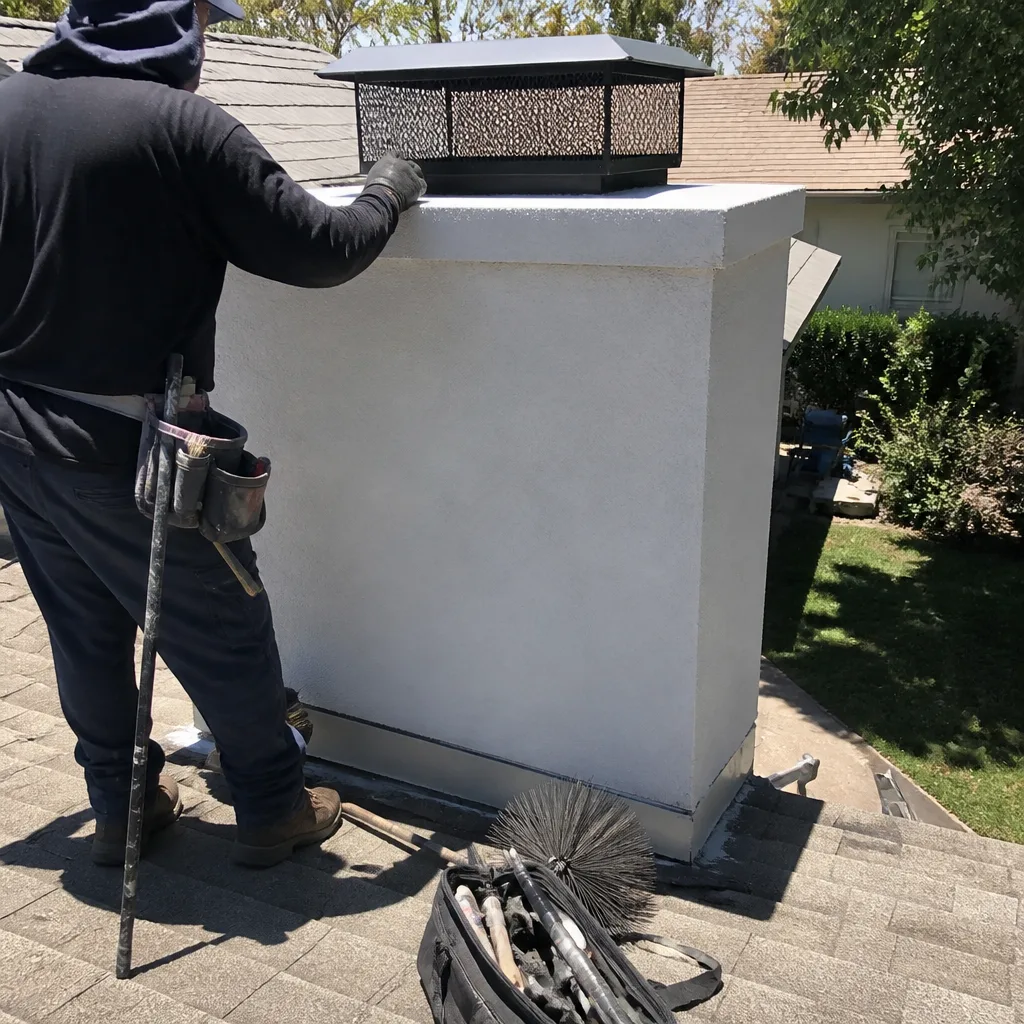 After
When to Call a Professional
Call a professional when you see any of these: smoke entering the living space during normal use, a persistent smell that returns after cleaning, water stains on ceilings near the chimney chase, brick faces on the ground near the chimney, or a dryer that takes twice as long to dry a load. Also call if you’ve never had the chimney inspected in a home you’ve lived in for more than a year, or if you bought the house and inherited a fireplace or gas insert with no service history. These are not projects to learn on. Sherwood Chimney Sweep offers free estimates in El Monte. Call (833) 589-8498 and we’ll start with a camera inspection so you know what you’re actually dealing with.
Frequently Asked Questions
A standard chimney sweep in El Monte typically runs between $160 and $300 depending on the level of inspection, the size of the flue, and whether additional cleaning methods are needed. Homes with heavy creosote glaze pay more for mechanical removal. Call (833) 589-8498 for an exact quote. Sherwood Chimney Sweep provides flat pricing before work begins, so the estimate you get is the price you pay.
The National Fire Protection Association recommends a Level 1 inspection and sweep annually for chimneys in regular use, and so do we. In El Monte, where fireplaces see seasonal use from roughly November through March, an annual sweep before the first fire of the season is the right cadence. Wood stoves used as primary heat should be swept more often, usually every 40 to 60 burns.
Ask for the camera footage. If a liner has cracks, collapsed tiles, or corrosion, you should see it with your own eyes. A legitimate diagnosis comes with images. At Sherwood Chimney Sweep, we document every liner inspection and walk you through what the camera shows. If repair is recommended, we explain the exact condition and the options, including HeatShield resurfacing when the cracking is minor and a DuraFlex reline when it’s not.
Creosote accumulates, and creosote is fuel. A skipped sweep means the flue narrows over time, draft declines, and the fire burns less efficiently. In the worst case, a chimney fire ignites the accumulated creosote and exposes the home to temperatures high enough to crack liners and ignite framing. It’s not a scare tactic to say this, because we’ve seen the aftermath in El Monte homes. The annual sweep is the cheapest part of owning a fireplace.
You can, but most homeowners don’t have the equipment to do it safely or thoroughly. Roof access, brush sizes, and inspection capability all matter. More importantly, a homeowner can brush a flue and still miss the crack in the liner, the failing crown, or the air supply issue that’s causing the actual problem. The sweep is the easy part. The diagnosis is the value.
Plan for 45 to 90 minutes for a standard sweep and Level 1 inspection. A camera inspection and written report add time. A HeatShield application or liner install is a separate appointment with its own timeline. We schedule El Monte appointments in windows that respect your day, and we confirm when we’re en route.
The Bottom Line
Chimney problems are rarely what they look like from the living room. The smoke, the smell, the spalling brick, the slow dryer are all signals from a system that’s telling you where it hurts. Reading those signals correctly saves money and sometimes saves a house. A chimney cap fixes a rain problem, not a draft problem. A sweep removes fuel but doesn’t diagnose a cracked liner. A store-bought log doesn’t do either. The chimney is a system: firebox, flue, crown, cap, liner, and the house that supplies its air. When one part fails, the symptom shows up somewhere else. Find the failure, fix it once, and the symptom goes away. That’s the whole game. If you’re in El Monte and something in this guide matches what you’re seeing, call (833) 589-8498. We’ll bring the camera and show you what’s actually going on.
Written by the team at Sherwood Chimney Sweep, serving El Monte since 2017.