
Last updated October 31, 2026
 Sweep & inspection
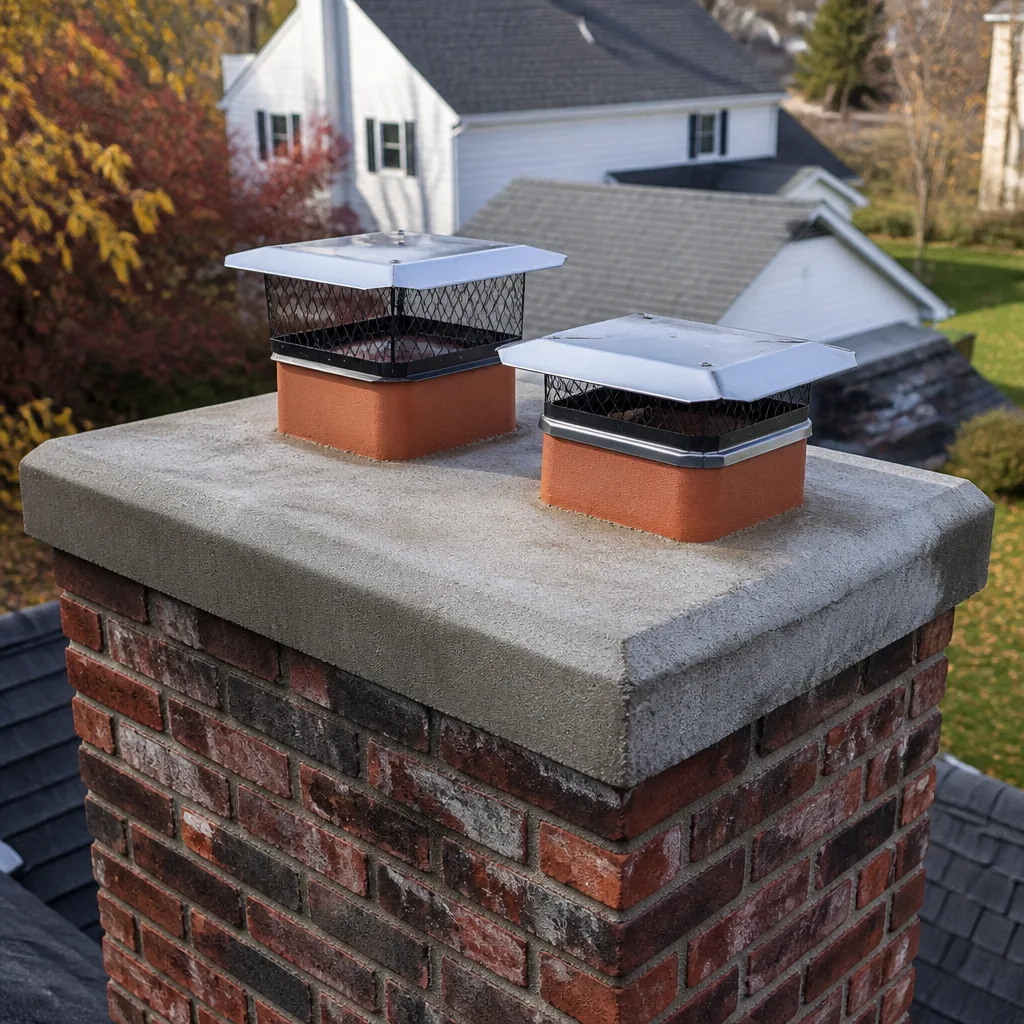
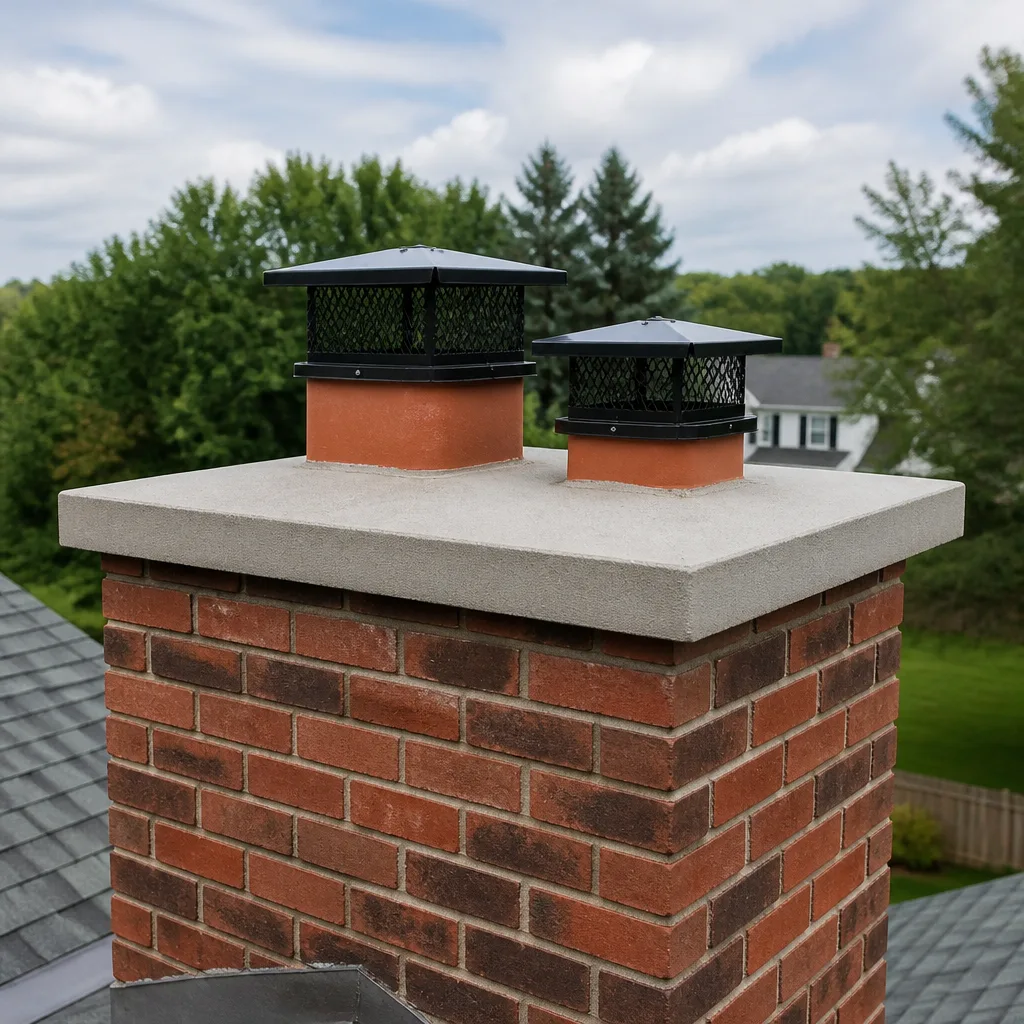 Caps & crowns
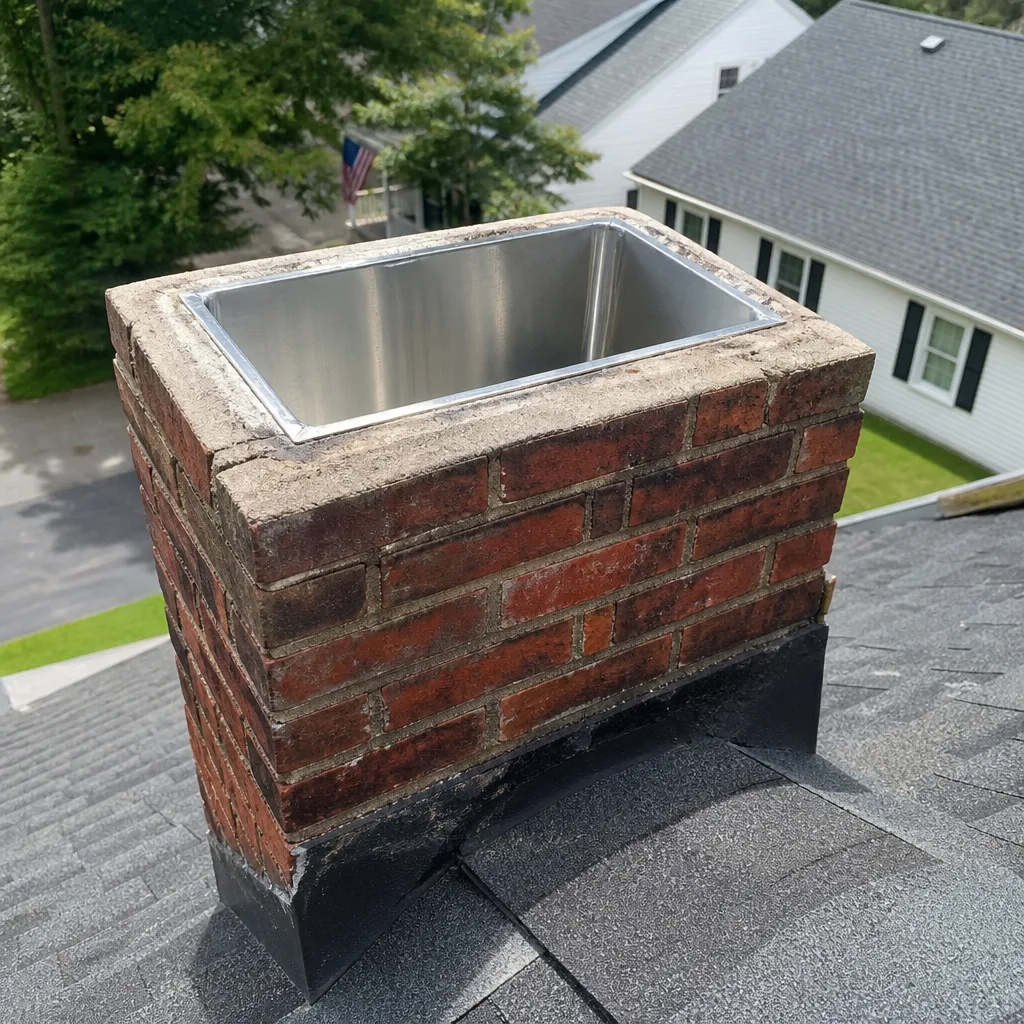 Flue relining
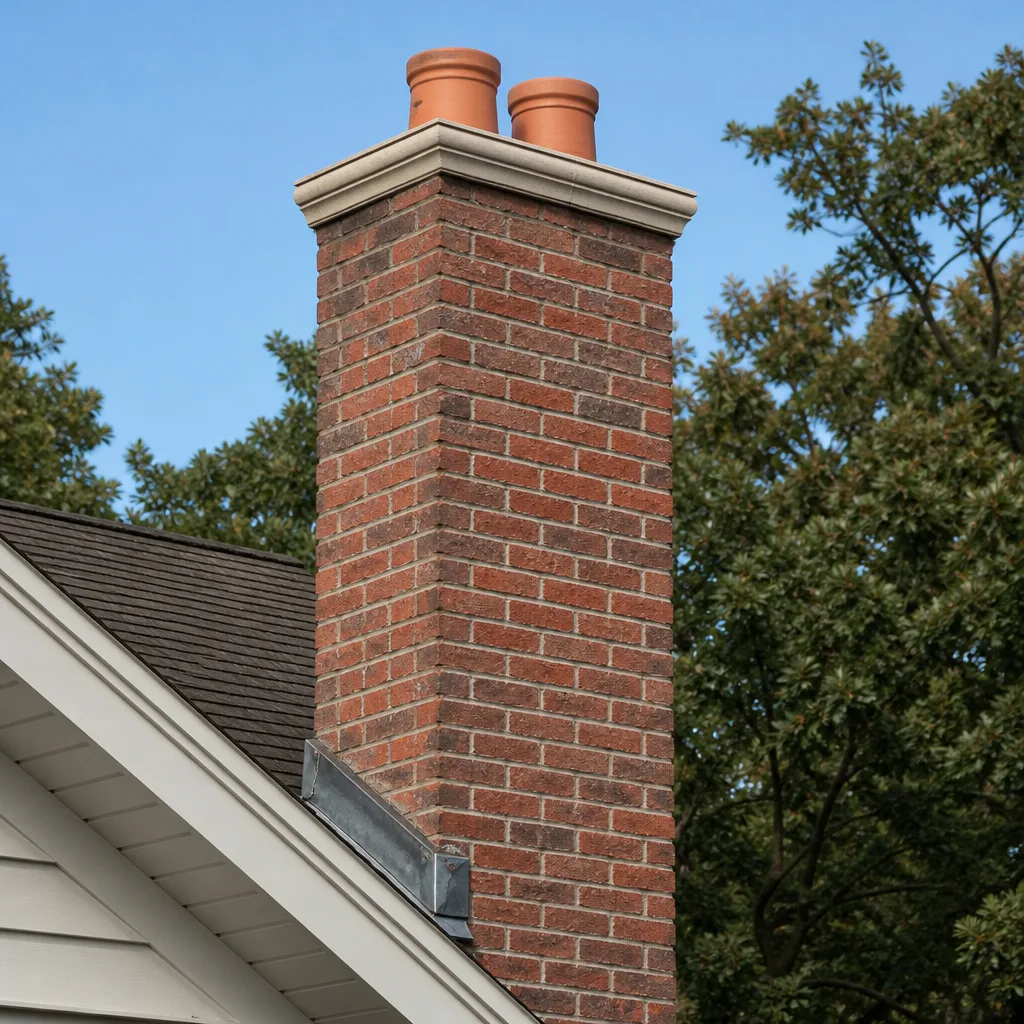 Masonry repair
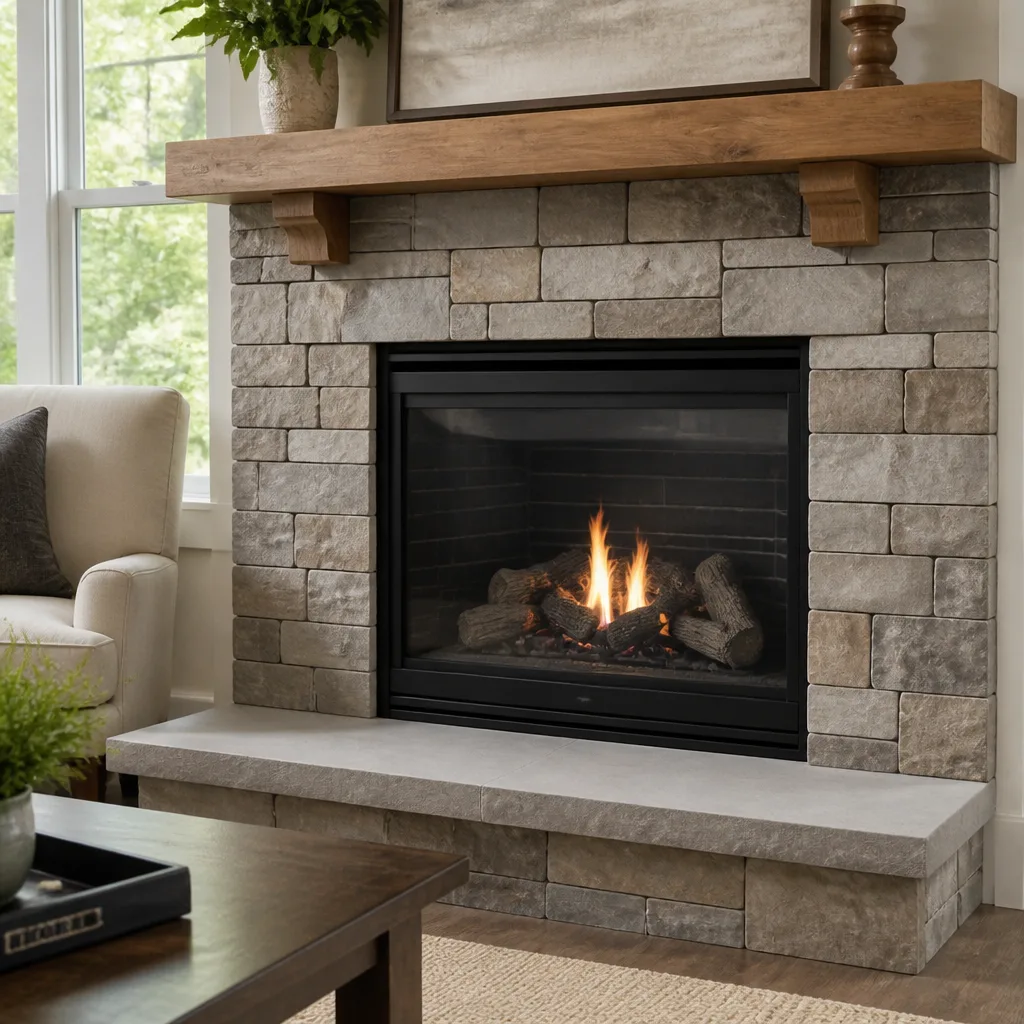 Gas fireplace service
Level 1 sweep and inspection to the NFPA 211 annual standard - flue, crown, cap, and flashing checked and photographed
Chimney sweep logs do not sweep chimneys. They loosen some creosote - which then falls where a brush and vacuum still have to collect it.
DIY vs Professional Chimney Cleaning: The El Monte Homeowner’s Decision Guide
Here’s something most DIY chimney cleaning guides won’t tell you: the brushes aren’t the expensive part. The expensive part is knowing what you’re looking at once you’re up there. In El Monte, where winter fires are intermittent and often burned low and slow, the creosote you’re likely dealing with isn’t the flaky, brush-friendly kind. It’s the dense, tar-like Stage 2 or Stage 3 glaze that laughs at wire bristles and requires chemical treatment before mechanical removal even works. This guide walks through the actual decision a homeowner faces, not the oversimplified “hire a pro, it’s safer” version, but the specific conditions under which DIY chimney cleaning is reasonable, and the specific conditions under which it becomes genuinely dangerous.
Styles & brands we work with
Quick Answer
DIY chimney cleaning can work for light maintenance between professional sweeps in El Monte, but only if your flue shows no Stage 2 or Stage 3 creosote, your chimney has no structural issues, and you have the right equipment. Most homeowners can’t safely assess these conditions from the ground, which is why a professional inspection plus cleaning is the default recommendation for annual maintenance—see our guide on How to Hire a Chimney Cleaning Contractor in El Monte: A Step-by-Step Guide for what to look for. Call (833) 589-8498 for a free estimate from Sherwood Chimney Sweep if you’re uncertain about your chimney’s condition.
Table of Contents
- When DIY Chimney Cleaning Is Actually Fine
- The Hard Boundary: Conditions That Disqualify DIY Entirely
- What a Homeowner Can Legitimately Handle Alone
- The Real Cost of a DIY Setup vs One Professional Sweep
- Why El Monte’s Burning Patterns Create the Toughest Creosote
- Liability and Insurance: What Happens When DIY Goes Wrong
- What a Professional Brings Beyond Cleanliness: The Repair Question
- Common Mistakes to Avoid
- When to Call a Professional
- Frequently Asked Questions
- The Bottom Line
When DIY Chimney Cleaning Is Actually Fine
Let’s be straight about this: there are situations where cleaning your own chimney is a reasonable weekend project. The key is knowing what those situations look like before you drag a ladder out of the garage.
If you burned fewer than a dozen fires last season, used properly seasoned hardwood, and the fires burned hot and active rather than smoldering overnight, your creosote accumulation is likely minimal. In that scenario, what you’re mostly doing is brushing away loose soot and maybe a thin layer of Stage 1 creosote, which looks like fine black dust or small flakes. A basic chimney brush kit can handle that.
The problem in El Monte is that very few homeowners actually match this profile. The climate here doesn’t punish a fireplace the way a Minnesota winter does, so fires tend to be occasional, and occasional fires tend to be burned for ambiance rather than heat—exactly why Seasonal Chimney Cleaning Care for El Monte: Year-Round Homeowner’s Guide matters for local conditions. Ambiance fires are low-heat fires. Low-heat fires produce Stage 2 creosote. If you’re not sure which stage you have, you’re already in the situation where professional assessment matters more than brush technique.
Here’s a simple self-check from the Sherwood Chimney Sweep home playbook: shine a flashlight up the flue from inside the firebox. Stage 1 creosote brushes off easily. Stage 2 looks like black, shiny, crunchy flakes, almost like burnt cornflakes, and it does not brush off easily. Stage 3 looks like a glossy tar coating and you should not touch it with a brush at all. If you see Stage 2 or Stage 3, stop. That’s not a cleaning problem. That’s a chemical treatment or rotary cleaning problem, and you don’t have the tools for it.
The Hard Boundary: Conditions That Disqualify DIY Entirely
Before you think about cost or skill level, there are chimney conditions that make DIY cleaning a non-starter. Not because you might do a mediocre job, but because you might create a hazard that wasn’t there before. Here’s the list of absolute no-go conditions:
- Visible Stage 2 or Stage 3 creosote: Attempting to brush glaze creosote can harden it further or fail to remove it while giving you false confidence. Stage 3 glazed creosote is a fuel source. If it catches fire during or after your cleaning attempt, you’ve made the problem worse.
- Cracked or missing flue tiles: A brush can catch on a cracked tile, dislodge it, and send it tumbling down into the smoke shelf or firebox. You’d be turning a repair job into a bigger repair job, and you’d be standing on a ladder when it happened.
- Evidence of previous chimney fire: If the flue looks warped, discolored, or has honeycomb-textured creosote on the walls, a fire already occurred. The liner is compromised. DIY cleaning won’t fix it, and you need an inspection before the chimney is used again.
- Missing or damaged chimney cap: If the cap is gone or broken, rain has been entering the flue. Water mixing with creosote creates a corrosive acid. The liner may be damaged in ways you can’t see from the firebox.
- Age of the chimney combined with infrequent use: A chimney that hasn’t been inspected in over five years, or a home built before 1970 in El Monte where the original clay liner may be deteriorating, should not have its first maintenance done by the homeowner.
One more hard boundary worth stating plainly: if you have a gas fireplace or gas insert, leave the venting system to a professional. Gas appliance venting has different failure modes than wood-burning flues. A blocked gas vent doesn’t produce creosote, but it produces carbon monoxide, and a DIY cleaning that dislodges debris or damages a vent connector can put your household at risk without any visible sign of trouble.
What a Homeowner Can Legitimately Handle Alone
DIY chimney maintenance isn’t all-or-nothing. There are three specific tasks that are safe for a homeowner to perform in El Monte, and none of them involve getting on a roof or running a brush down the flue.
1. Firebox Sweeping and Ash Removal
Cleaning the firebox where the fire actually burns is safe, simple, and genuinely useful. Use a metal ash bucket, not a plastic one. Remove ash only after it’s fully cold, which means at least 24 hours after the last fire. A standard ash shovel and hand broom work fine. This is routine maintenance that keeps your fires burning more efficiently and doesn’t require any specialized knowledge.
2. Visual Damper Inspection
Open the damper fully and inspect it with a flashlight. You’re looking for: rust on the damper plate, warping, difficulty opening or closing, or visible gaps when closed. A damper that doesn’t seal properly lets conditioned air escape during summer and can make fires harder to start in winter. Cleaning the damper surface with a wire brush and checking for smooth operation is a legitimate DIY task. If the damper is severely rusted or won’t stay in position, that’s a repair call.
3. Chimney Cap Inspection from the Ground
You can’t assess cap condition from inside. But you can often see a missing or tilted cap from the yard. If you see a cap that’s obviously damaged or absent, don’t get on the roof to address it yourself. Note it, and mention it when you schedule an inspection. In El Monte, missing caps are common after the occasional strong Santa Ana wind events that sweep through the San Gabriel Valley.
The Real Cost of a DIY Setup vs One Professional Sweep
The cost argument for DIY falls apart quickly when you price out what a proper setup actually requires, as detailed in our Chimney Cleaning Cost Breakdown: The El Monte Homeowner’s Reference for 2026. The brushes themselves are cheap. Everything else is not.
DIY Equipment Costs (One-Time Purchase)
- Chimney brush kit (rods, brush, connectors): $55 – $150 depending on flue size and rod type. Polypropylene brushes work fine for Stage 1 creosote. Nylon and wire hybrid brushes are pricier.
- HEPA-filter shop vacuum: $180 – $400. A standard shop vac is not sufficient. Creosote dust is extremely fine and passes through standard filters, coating your living room in a fine black film that’s difficult to remove from upholstery and carpet. A true HEPA vacuum for fine particulate is the entry point.
- Drop cloths and plastic sheeting: $20 – $40 per job. You’ll seal off the fireplace opening, and in an El Monte home with an open floor plan, you may need to sheathe several feet of flooring.
- Personal protective equipment: $35 – $60. You need an N95 or P100 respirator, safety goggles, and work gloves at minimum. Creosote dust on skin causes chemical burns on contact in some people.
- Inspection camera or flashlight inspection mirror: $45 – $130 for a basic endoscope-style camera, or you clean blind and hope for the best.
Realistic total for a proper DIY setup: $350 – $750, and that’s before you spend 3 – 5 hours doing the actual work, plus cleanup time.
Professional Sweep Cost in El Monte
A professional chimney sweep in the El Monte area typically runs between $180 and $340 depending on flue height, creosote stage, and whether additional services like a cap replacement or dryer vent cleaning are being added. The Sherwood Chimney Sweep approach includes a camera inspection as part of the service, which means you’re not just paying for cleaning, you’re paying for verification. You know what was in the flue, what was removed, and what condition the liner is in afterward.
Yes, the DIY route is cheaper if you already own all the equipment and you use your fireplace only occasionally and you’re certain the creosote is Stage 1. For every other scenario, the professional route is either the same price or cheaper once you account for equipment, time, and the risk of discovering a problem you can’t fix.
Why El Monte’s Burning Patterns Create the Toughest Creosote
Southern California homeowners have a unique relationship with their fireplaces. In colder climates, fireplaces are heating appliances used daily for months. The fires burn hot, the flue temperatures stay high, and creosote forms mostly as fine, dry soot at the top of the chimney where the gases cool. That’s the easy-to-clean stuff.
Here in El Monte, winters are mild. A homeowner might light a fire two or three nights a week from November through February, then not touch the fireplace from March to October. Those fires are usually an evening event, not an all-day affair. The fire starts, warms the room, and then smolders as the family goes to bed or the fire is left to die out naturally.
Low-heat, smoldering fires are the exact conditions that produce Stage 2 and Stage 3 creosote. The smoke cools too quickly in the upper flue, and the volatile compounds condense on the liner walls as a sticky, tar-like substance. Over the course of a season, that material bakes on, layer after layer. By the time the next season starts, it’s hardened into a glaze that no brush from Home Depot is going to remove.
This is also why recommendations from homeowners in the Northeast or Midwest don’t transfer. A homeowner in New Hampshire who cleans their own chimney twice a year is dealing with different fire chemistry than an El Monte homeowner burning a few ambient fires a season. The DIY advice you read on a national forum doesn’t account for the specific creosote profile this climate produces.
Liability and Insurance: What Happens When DIY Goes Wrong
This is the section most guides skip, and it’s the one that matters most after a fire. Here’s how insurance works when chimney work is self-performed.
Most homeowner’s insurance policies cover fire damage. But they also contain clauses about negligence and improper maintenance. If a chimney fire occurs and the subsequent investigation finds that the chimney had not been professionally inspected or cleaned in years, the insurer may argue that the homeowner failed in their duty to maintain the property. That argument becomes much stronger if the homeowner did attempt a DIY cleaning and can’t document what was found or removed.
When a professional chimney sweep services a chimney in El Monte, you receive documentation: what was found, what was removed, what condition the liner was in, and the date of service. That documentation is your defense if a fire-related claim is ever disputed. A DIY cleaning produces no such record. If a fire happens, you’re relying on your word that the chimney was clean, and your word doesn’t carry the same weight in a claims investigation.
There’s also the question of damage liability. A professional carries insurance for property damage. If their work damages your roof or interior, their policy covers it. If you damage your own roof, your insurance may cover it, but your deductible applies and your rates may increase. If you’re injured on your roof during a DIY attempt, homeowner’s insurance may cover medical costs, but the claim becomes a factor in your renewal.
The insurance math is straightforward: the professional sweep costs less than most deductibles, and it shifts liability off your shoulders.
What a Professional Brings Beyond Cleanliness: The Repair Question
Here’s the thing about chimney cleaning that most DIY comparisons ignore: the cleaning itself is rarely the whole job. A professional chimney sweep isn’t just removing creosote. They’re looking at the entire system and telling you whether anything needs to be repaired, replaced, or monitored. And in El Monte, where homes range from mid-century construction with original clay liners to newer builds with factory-built chimneys, the range of what a professional might find is wide.
Clay tile liners crack. Mortar joints between tile sections erode. Chimney crowns spall and let water in. Brick faces deteriorate after decades of sun, rain, and the occasional seismic jolt. None of these issues are visible from inside the firebox, and none of them are fixed with a brush. They’re repair issues, and they’re the difference between a safe chimney and a fire or carbon monoxide risk.
This is also where the distinction between a cleaning-only service and a full-service chimney company becomes practical. A company that only cleans is going to tell you to call someone else when structural problems are found. That’s not a criticism; it’s just a limitation of scope. A full-service chimney contractor can clean the flue, but they can also diagnose a cracked crown, resurface a deteriorating liner with a product like HeatShield, or install a DuraFlex liner system if the damage is too extensive for resurfacing. One call, one inspection, one company accountable for the result. For an El Monte homeowner, that continuity means you’re not relying on a cleaning tech to accurately communicate conditions to a repair company you’ll have to find separately.
We stock and install professional-grade materials: DuraFlex flexible liners, HeatShield ceramic resurfacing, Gelco chimney caps, and Copperfield chase covers. These aren’t names you’ll find on the shelf at a big-box hardware store. They’re the materials specified by certified chimney engineers and used by professional chimney companies nationwide. That matters because a chimney repair that fails isn’t just wasted money. It’s a fire hazard in a place you can’t see.
Common Mistakes to Avoid
- Assuming all creosote is brushable: Stage 2 and Stage 3 creosote require chemical treatment or rotary cleaning equipment. Brushing glaze creosote hardens it further and gives you a false sense of security.
- Using a regular shop vac instead of a HEPA vac: Creosote dust is a lung irritant and a known carcinogen with prolonged exposure. A standard shop vac traps the big stuff and releases the fine particulate into your living space.
- Cleaning from the top down with no roof safety plan: El Monte homes with tile roofs are especially hazardous to work on. Spanish tile breaks easily, and a fall from even a single-story roof can be catastrophic. Professional sweeps work from the firebox when possible for exactly this reason.
- Skipping the inspection because the chimney “looks fine”: The inside of a flue doesn’t telegraph its condition to the outside. The only way to know is with a camera or a trained eye.
- Burning manufactured logs or treated lumber between cleanings: Compressed sawdust logs produce more creosote than natural hardwood, and pressure-treated lumber releases toxic compounds when burned. Both accelerate creosote buildup and change the chemistry of what’s in your flue.
- Delaying a cleaning because “we barely use it”: Infrequent use is exactly what produces the hardest creosote. A fireplace used rarely still needs annual inspection, especially if the home is older and the liner has never been evaluated.
- Confusing a dryer vent with a chimney flue: They’re different systems with different failure modes. Dryer vents need their own cleaning schedule, and if you’re already having the chimney done, ask about adding Dryer Vent Cleaning in South Pasadena-style service to the same visit.
When to Call a Professional
Call a professional if you see Stage 2 or Stage 3 creosote in your flue, if your chimney is more than five years past its last inspection, if you notice water in the firebox after rain, if you smell smoke in the house after fires have been burning for an hour, or if you have any reason to believe a prior chimney fire may have occurred. Call also if you’re simply not sure what you’re looking at. The cost of an inspection is less than the cost of being wrong. Sherwood Chimney Sweep offers free estimates in El Monte. Call (833) 589-8498, and we’ll take a look.
Frequently Asked Questions
A professional chimney sweep in El Monte typically costs between $180 and $340 for a standard fireplace and flue cleaning, depending on flue height, creosote stage, and whether you add services like a camera inspection, chimney cap replacement, or dryer vent cleaning on the same visit. Call (833) 589-8498 for a free estimate specific to your fireplace and flue configuration.
Annual inspection and cleaning is the safe baseline, even in El Monte’s mild climate, because infrequent burning produces the most stubborn creosote deposits. If you burn more than 20 fires per season, or if you burn green wood or manufactured logs, schedule twice-yearly inspections and clean based on what the inspection finds.
Stage 2 creosote is a black, shiny, crunchy deposit that forms when smoke cools too quickly or fires burn too cool, common in El Monte fireplaces used for occasional ambiance rather than sustained heat. It requires chemical treatment or professional-grade rotary cleaning equipment to remove safely. Brushing it standard DIY tools may harden the deposit further.
Yes, any professional chimney cleaning in El Monte should include a visual inspection, and the best services include a camera inspection that documents the condition of the liner, damper, and smoke shelf. This documentation is also your record that the chimney was properly maintained, which is useful for insurance purposes if a fire-related issue ever arises.
You can vacuum the first few inches of the dryer vent from the inside with a standard vacuum attachment, but the full vent run often requires specialized brushes and inspection equipment to verify the entire run is clear. Clogged dryer vents are a leading cause of household dryer fires. Given the stakes, Dryer Vent Cleaning in South Pasadena from a professional is the more reliable option, and it can often be scheduled alongside a chimney service visit.
A cleaning removes creosote and debris from the flue. A repair addresses structural problems: cracked flue tiles, deteriorated mortar joints, spalling brick, crown cracks, or a damaged liner that needs resurfacing or replacement. In our experience, many El Monte homeowners discover during a cleaning that a repair was overdue, which is why full-service evaluation matters. Chimney Repair in South Pasadena and the surrounding area is a core part of what a complete chimney company provides, not an afterthought.
The Bottom Line
The DIY chimney cleaning decision comes down to one fact: you can buy the brush, but you can’t buy the diagnostic ability that tells you whether brushing is safe in the first place. In El Monte, where seasonal smoldering fires produce the toughest creosote and where older homes carry structural unknowns in their flues, the professional route is usually the safer choice and often no more expensive once equipment, time, and risk are factored in. A professional sweep with camera inspection gives you documentation, peace of mind, and a clear picture of whether your chimney is a fire hazard or a working part of your home. For more guides & resources, explore our blog, or call (833) 589-8498 to schedule your sweep or inspection today.
Written by the team at Sherwood Chimney Sweep, serving El Monte since 2017.
See the difference
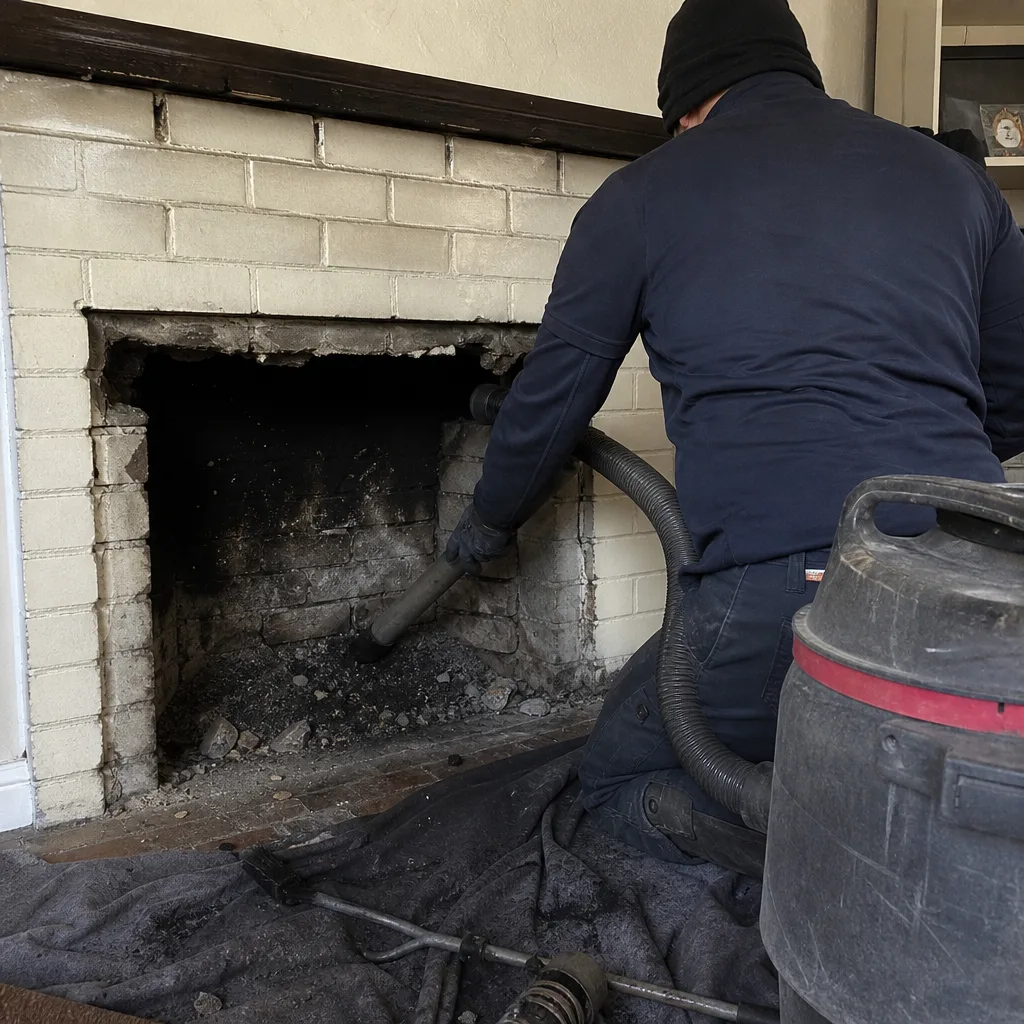 Before
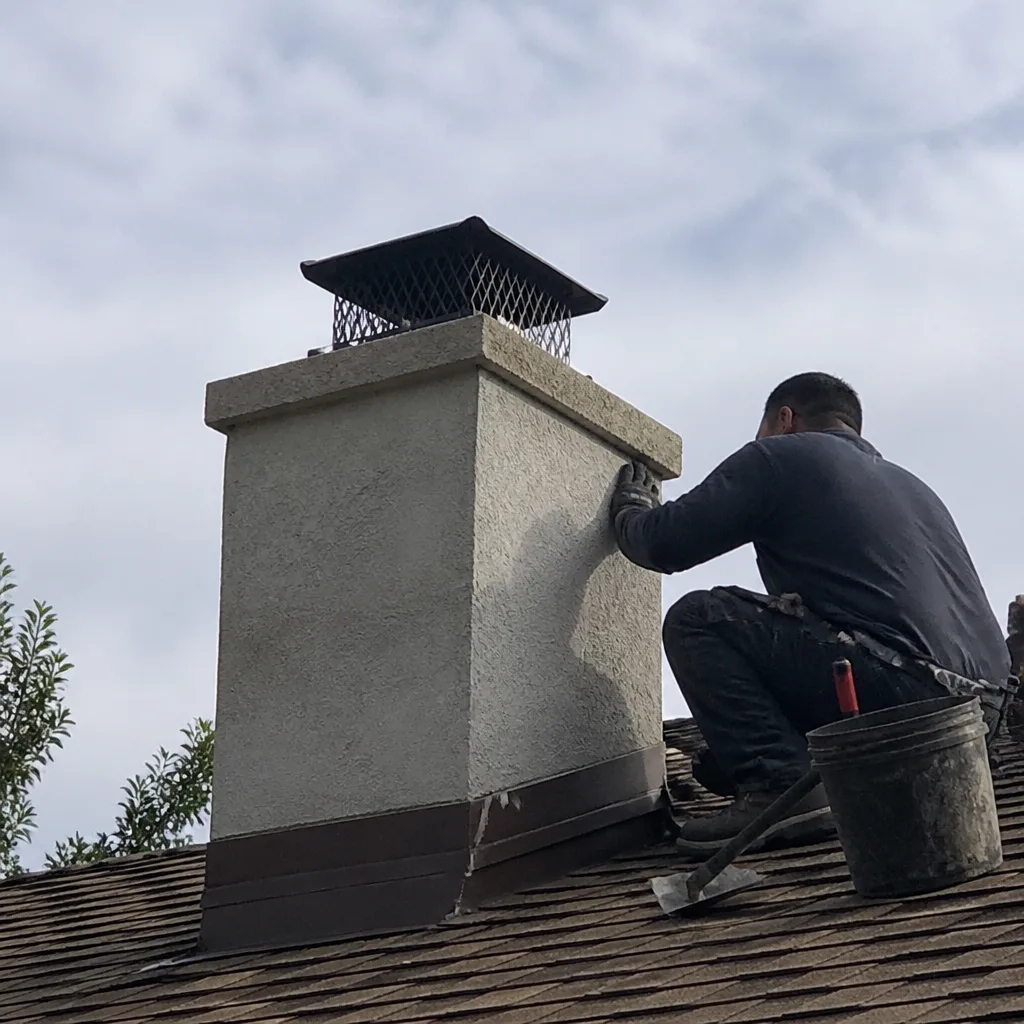 After
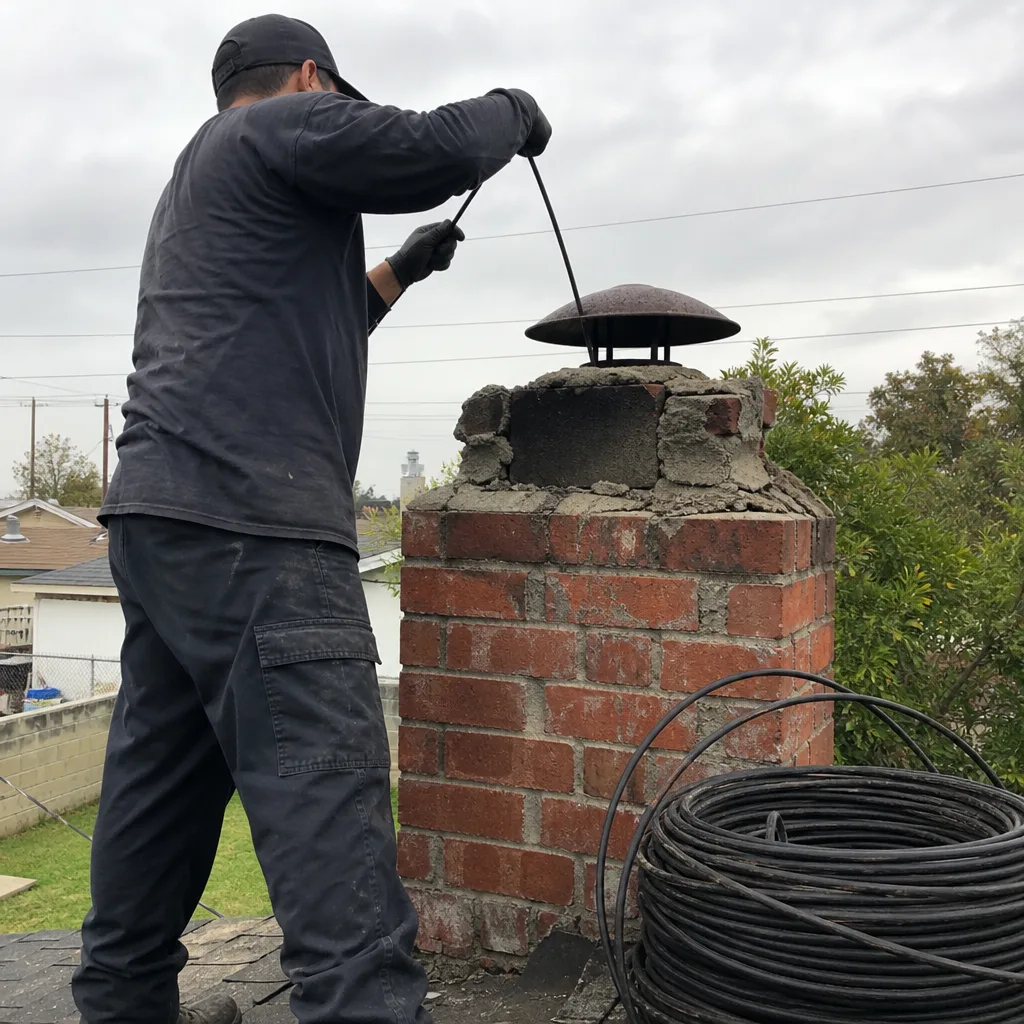 Before
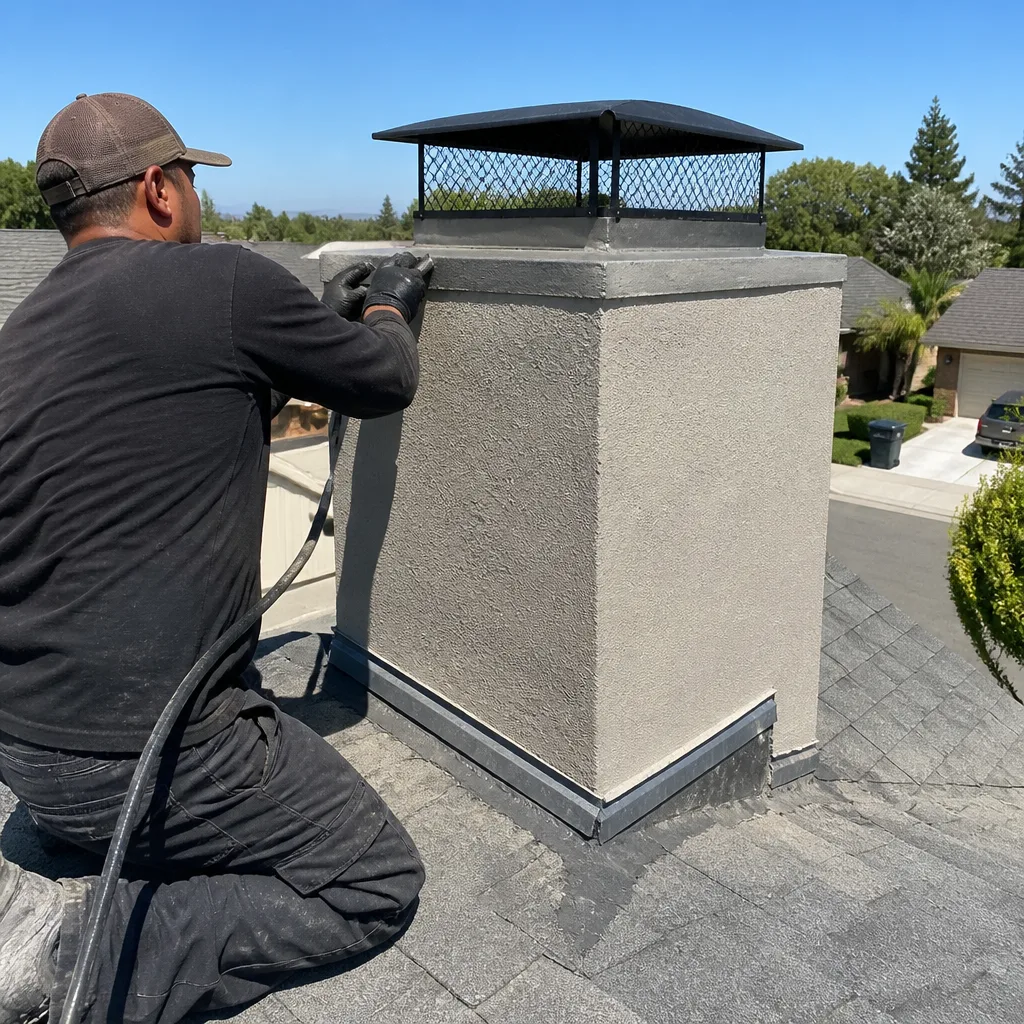 After
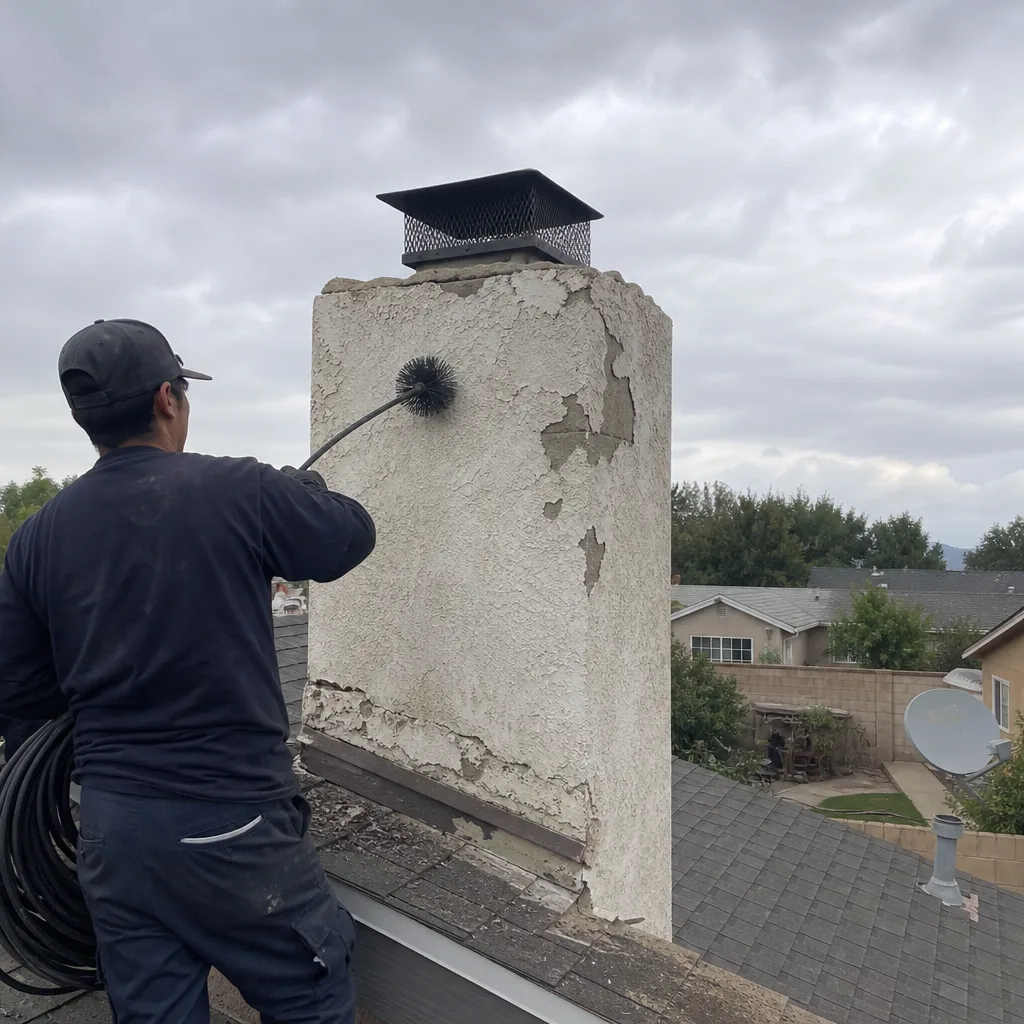 Before
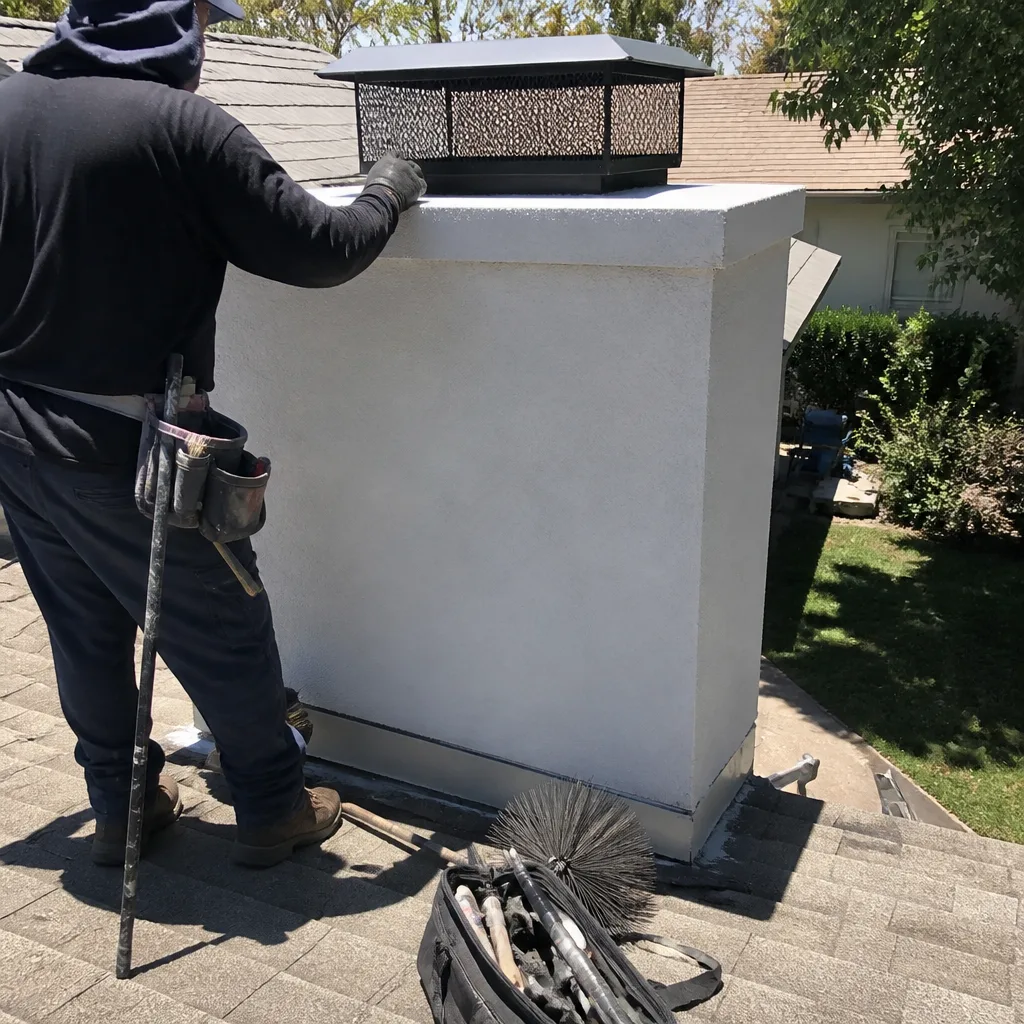 After