

Last updated October 31, 2026
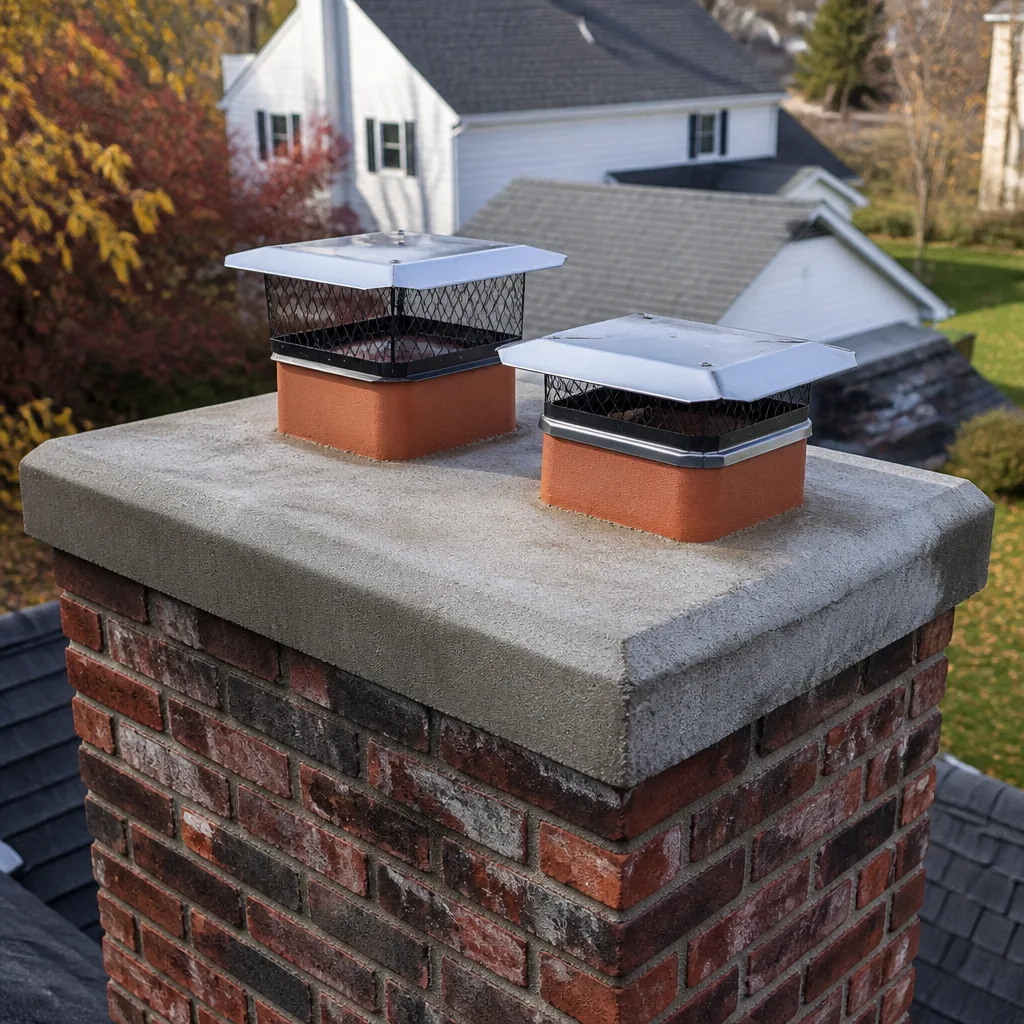 Sweep & inspection
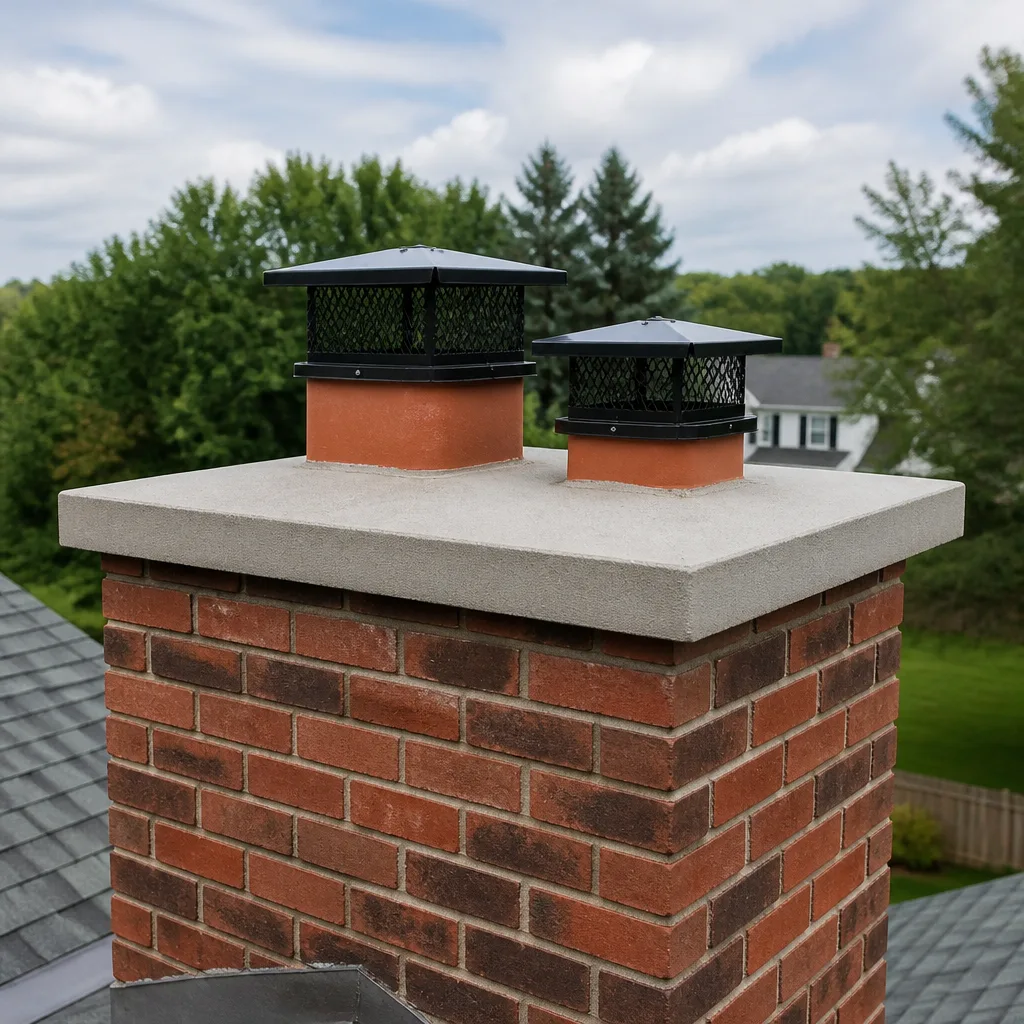 Caps & crowns
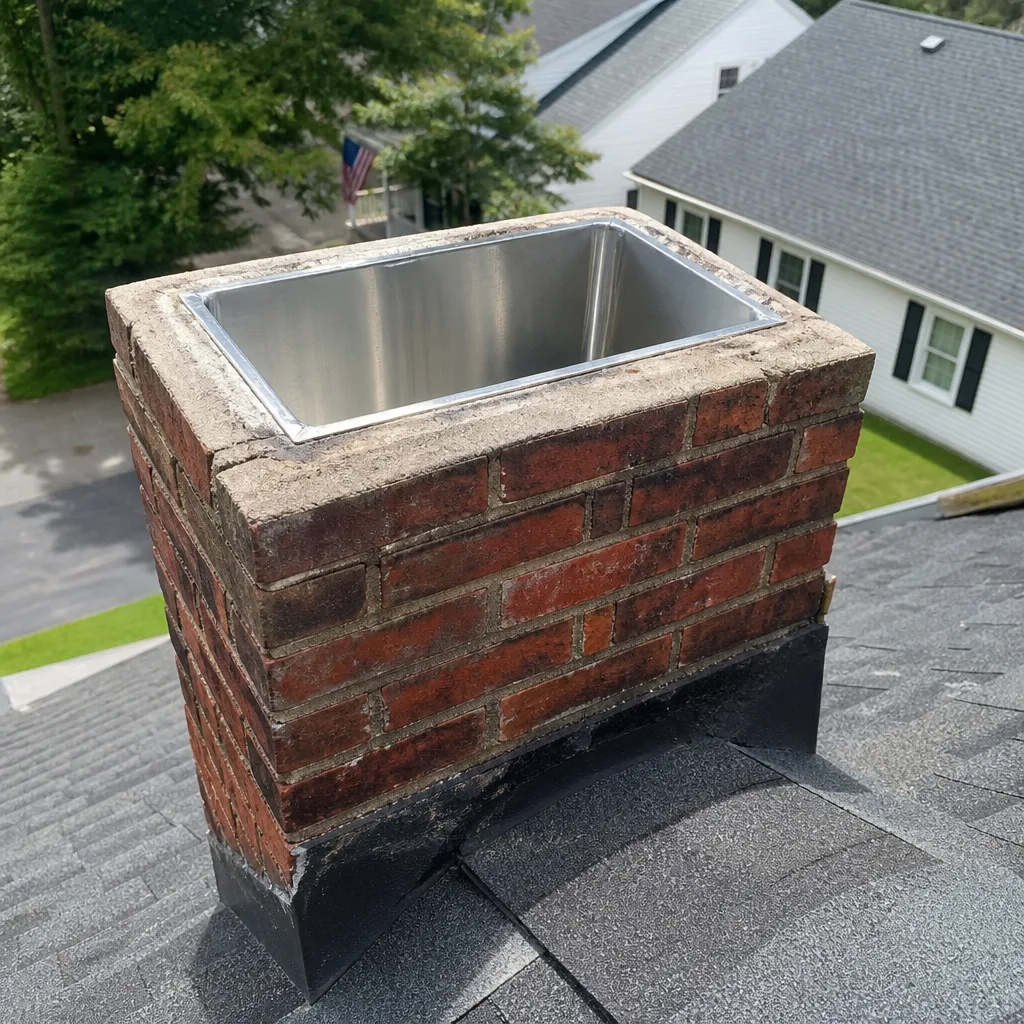 Flue relining
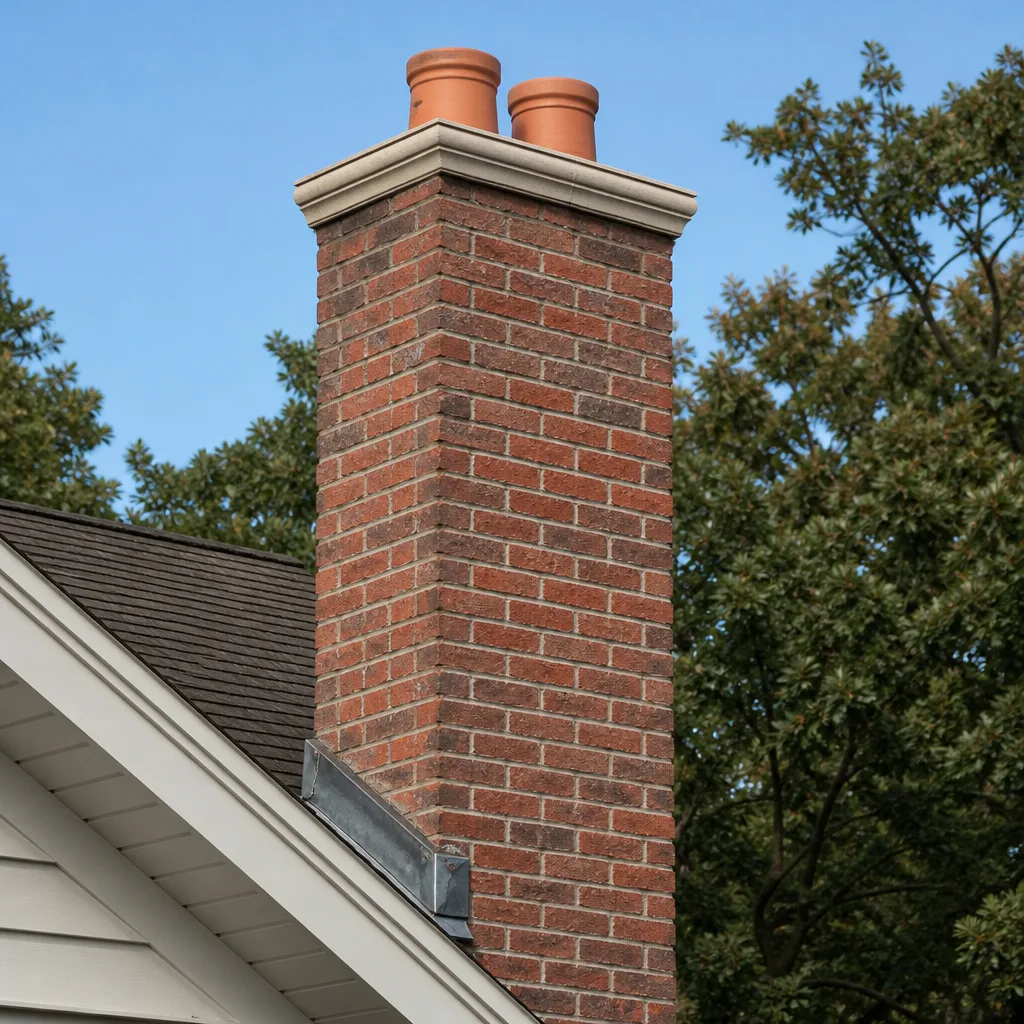 Masonry repair
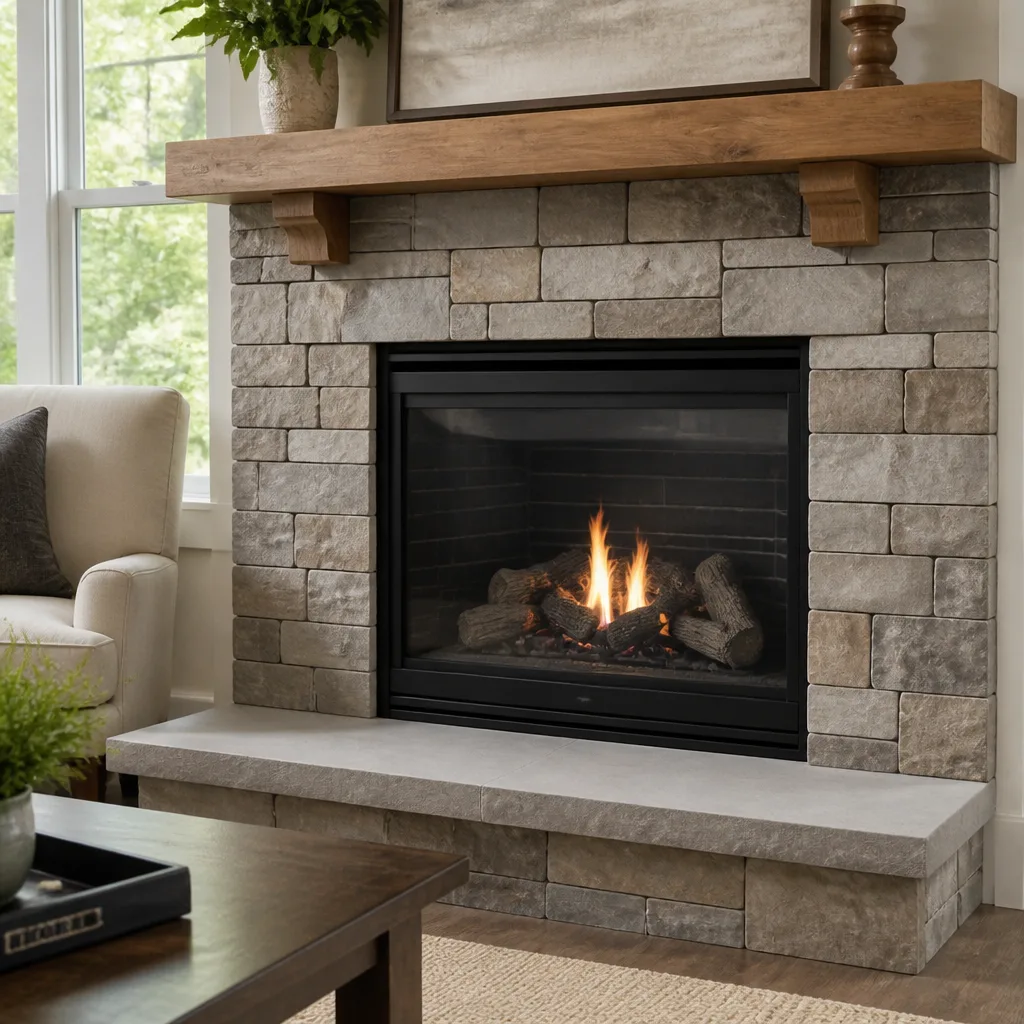 Gas fireplace service
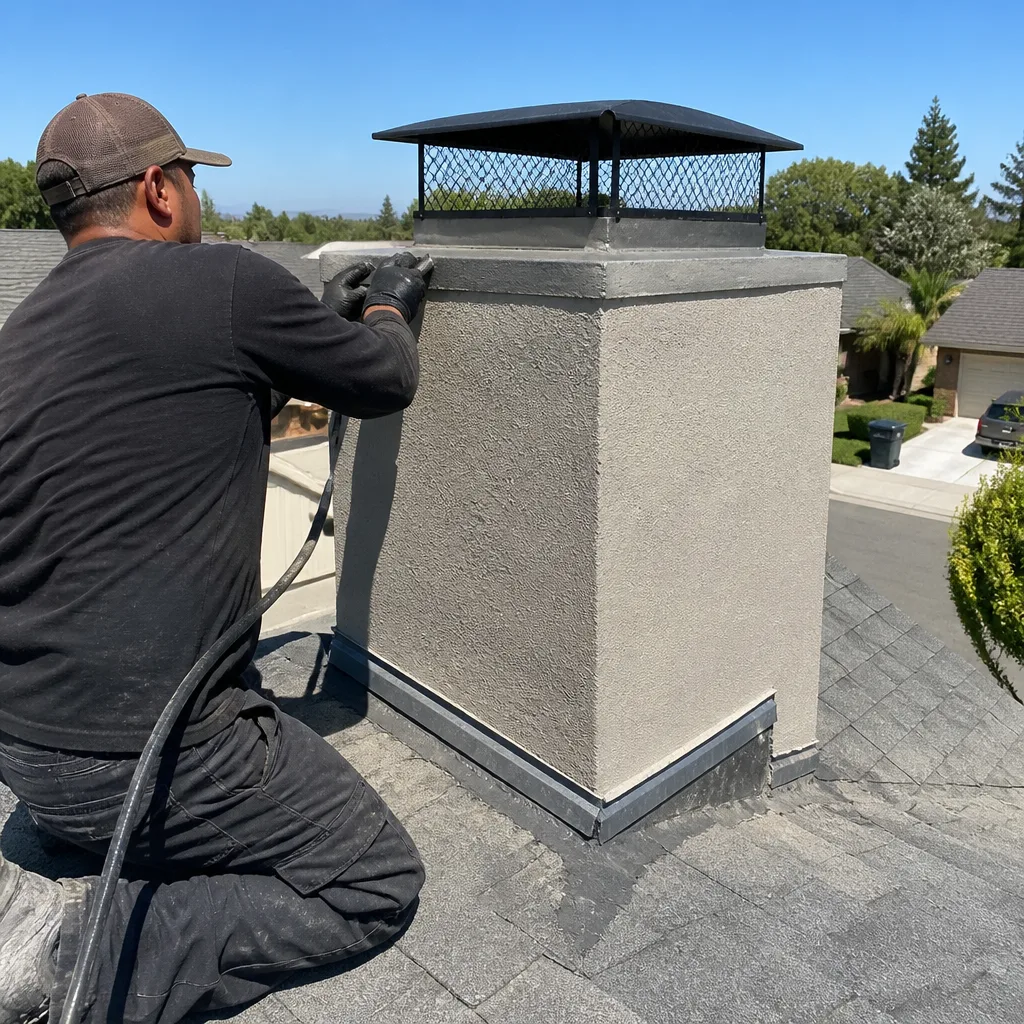
Level 1 sweep and inspection to the NFPA 211 annual standard - flue, crown, cap, and flashing checked and photographed
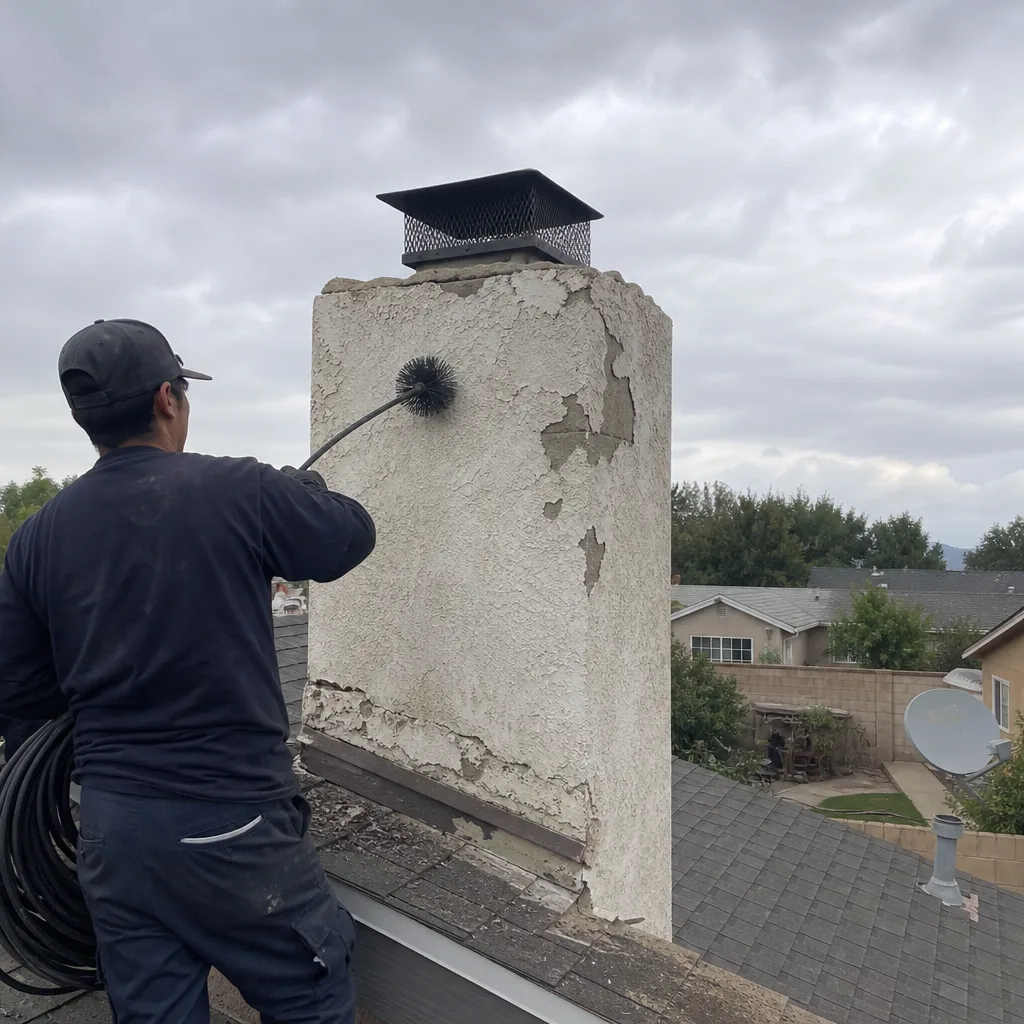
Chimney sweep logs do not sweep chimneys. They loosen some creosote - which then falls where a brush and vacuum still have to collect it.
Chimney Cleaning Emergency Preparedness Guide for El Monte Homes
Most El Monte homeowners only think about their chimney when the first cold snap arrives in December. That’s a mistake in this particular city. El Monte sits in a seismically active region, and a moderate earthquake along the Whittier Narrows fault zone can displace chimney liner sections internally without leaving a single crack on the exterior brick. The chimney looks fine from the street, but inside, combustion gases now have a path into your attic or wall cavities. This guide walks you through the chimney emergencies that actually happen in El Monte – earthquake damage, storm-driven draft reversal, bird and debris obstruction, chimney fires, and carbon monoxide events – and what to do before, during, and after each one.
Styles & brands we work with
Quick Answer
Chimney emergency preparedness for El Monte homes means knowing that the biggest threats aren’t always visible flames – they’re hidden flue damage from earthquakes, blocked vents from seasonal bird nesting, and carbon monoxide from reversed draft during high-wind events. After any moderate earthquake or major windstorm, treat your chimney as compromised until inspected: don’t light a fire, don’t run a gas insert, and document the exterior and interior with photos for your insurance file. If you smell smoke inside your home without a fire burning, or your CO detector goes off, evacuate first and call 911 before contacting a chimney professional.
Table of Contents
- What Makes El Monte Chimneys Different: A Risk Profile
- Post-Earthquake Chimney Protocol: What to Check, What to Assume
- Chimney Fire vs. Smoke Rollback: Two Different Emergencies, Two Different Responses
- Carbon Monoxide and Draft Reversal: The Silent Threat in El Monte Winters
- Your Chimney Emergency Kit: What to Have Ready Before Anything Happens
- Documenting Chimney Damage: Insurance-Ready Photo Protocol
- Common Mistakes to Avoid
- When to Call a Professional
- Frequently Asked Questions
- The Bottom Line
What Makes El Monte Chimneys Different: A Risk Profile
El Monte doesn’t get the deep freezes that force chimney maintenance in other parts of the country. That’s actually part of the problem. Homeowners here can go years without thinking about the chimney because the fireplace only gets used a few dozen nights a season, which is why our Chimney Sweep Maintenance Checklist for El Monte Homeowners is worth reviewing. During that long idle stretch – from roughly March through October – several things happen to an El Monte chimney that don’t happen with the same intensity elsewhere.
First, the birds. El Monte’s mature tree canopy and older neighborhood housing stock create ideal nesting conditions for chimney swifts, starlings, and house sparrows. A chimney without a proper cap becomes a protected cavity with vertical walls and no predators. One nesting season can place several pounds of twigs, dried grass, and bird debris directly above your flue opening. That debris isn’t just an obstruction – it’s kindling sitting directly in the path of exhaust gas that can reach 400 to 600 degrees Fahrenheit during a normal wood fire.
Second, the seismic environment. El Monte sits near the convergence of several fault systems, including the Whittier Narrows fault that produced the 1987 earthquake. Even a magnitude 4.0 event – routinely felt in El Monte – can shift enough lateral force to crack mortar joints in an older masonry chimney or unseat a clay flue liner section. Homes built before El Monte’s major residential expansion in the 1950s and 60s often have unreinforced masonry chimneys that pose the highest risk during any seismic activity.
Third, the wind. Santa Ana wind events routinely push sustained gusts of 40 to 60 miles per hour through the San Gabriel Valley. When that wind hits a chimney cap at the wrong angle, it can push exhaust back down the flue rather than allowing it to rise naturally. A chimney that drafts perfectly on a still night can reverse direction entirely during a high-wind event, pushing smoke and carbon monoxide into the living space instead of up and out.
Understanding these three environmental factors is the foundation of everything else in this guide. Chimney emergencies in El Monte are rarely random failures. They follow predictable patterns tied to the city’s climate, geology, and seasonal rhythms. The goal here is to prepare for those patterns, not generic worst-case scenarios.
Sherwood Chimney Sweep has seen these patterns repeat across hundreds of El Monte homes. The earthquake that causes no visible damage but displaces a liner. The Santa Ana event that pushes a puff of smoke back through the fireplace. The bird nest that goes unnoticed until the first fire of November sends the living room into a coughing fit. None of these are exotic edge cases. They’re the standard history of a chimney in this city.
Post-Earthquake Chimney Protocol: What to Check, What to Assume
Here’s the honest version of what most El Monte homeowners get wrong after an earthquake: they check the exterior brick, see no visible cracks, and assume the chimney is fine. That assumption can be dangerous. The most common form of earthquake damage to a chimney is internal flue displacement – a clay tile liner that shifts or cracks in a way that’s invisible from the outside. The exterior masonry can remain completely intact while the interior liner has opened a gap that allows carbon monoxide and hot combustion gases to escape into wall cavities or the attic.
After any earthquake that you can feel inside your El Monte home – roughly magnitude 3.5 or stronger – follow this protocol before lighting any fire or running any gas appliance that vents through the chimney:
- Document the exterior first. Take clear photos of the chimney from all four sides, plus the roofline where the chimney meets the roof. Walk the perimeter and look for any fallen brick, displaced mortar, or visible tilting. Even if you find nothing, the photos create a baseline for your insurance claim if damage appears later.
- Check the attic and fireplace surround for debris. Shine a flashlight around the chimney structure where it passes through the attic. Look for dust, brick fragments, or mortar crumbs on the attic floor near the chimney chase. Inside the house, check the area around the firebox for new cracks in the hearth or firebox walls.
- Assume the liner may be compromised. This is the critical step most people skip. An unreinforced clay tile liner in an El Monte home built before 1980 has a very high probability of cracking during any felt earthquake. The exterior brick provides no guarantee of liner integrity. Treat the fireplace as non-operational until a professional camera inspection confirms otherwise.
- Do not light a test fire to “check” the chimney. This is the fastest way to discover a hidden liner crack the hard way – by pushing carbon monoxide into your home. A smoke test or mirror check only confirms what you already know: something passed through the flue. It doesn’t tell you whether the flue is intact along its full length.
- Have a full chimney inspection before the next burn. A professional chimney inspection in El Monte after a felt earthquake should include a video scan of the flue interior. This is the only reliable way to verify that flue tiles haven’t shifted or cracked internally. The cost of the inspection is trivial compared to the potential cost of a chimney fire or CO event.
One more El Monte-specific point: after a significant earthquake, multiple homeowners across the city are scheduling inspections at the same time. Chimney companies get busy fast. If you wait until November to schedule a post-earthquake inspection, you’ll be competing with every other fire-season call. The time to get on the schedule is right after the shaking stops and the initial aftershock concern passes – even if you don’t plan to use the fireplace for months. For details on what inspectors look for, see Chimney Cleaning Permits, Codes & Inspections in CA: What You Need to Know.
Chimney Fire vs. Smoke Rollback: Two Different Emergencies, Two Different Responses
The two most frightening things that can happen with a chimney in El Monte are often confused with each other, and they require completely different immediate responses. Knowing which is which can save your house – and knowing the wrong way to respond to each can make things worse.
A chimney fire is the combustion of creosote deposits inside the flue. It sounds like a freight train or loud rumble coming from inside the chimney. You’ll often see flames or dense, shooting sparks coming from the chimney top. The entire chimney structure may become extremely hot to the touch. If you’re hearing a roaring sound and seeing a torch-like flame from the chimney cap, you have a chimney fire. Here’s what to do:
- Call 911 immediately. A chimney fire that escapes the flue structure can spread into the attic or wall cavities within minutes. This is not a “wait and see” situation.
- Evacuate everyone from the home, including pets. Do not attempt to go onto the roof or try to fight the fire yourself from above.
- If it’s safe to do so, close the fireplace damper to reduce the oxygen supply to the fire. A fire in the flue chamber feeds on air being drawn up from the home below. Closing the damper cuts off that fuel source.
- Position a fire extinguisher near the fireplace opening, but do not open the glass doors or fire screen while the fire is actively burning inside the flue. Opening the firebox can introduce a sudden oxygen surge and cause a flash.
- Do not attempt to throw water into the firebox. The thermal shock can crack the firebox and flue, creating larger openings for fire to spread.
A smoke rollback event is different. This happens when the chimney draft reverses – often during a Santa Ana wind surge in El Monte – and smoke from a normally burning fire gets pushed back into the room instead of up the flue. You’ll see wisps or clouds of smoke entering the living space. You won’t hear the freight-train roar. The chimney won’t be abnormally hot to the touch. Here’s the appropriate response:
- Open the nearest exterior door or window immediately. This creates a cross-draft that can help break the negative pressure reversal driving the smoke back down.
- Close the fireplace doors or screen if equipped, and extinguish the fire by closing the damper to reduce combustion air.
- Smoke rollback is a ventilation problem, not a fire problem – but the smoke contains carbon monoxide and particulate matter. Evacuate the room and do not re-enter until the smoke has cleared and fresh air has circulated through the space.
- Once the immediate situation is resolved, do not light another fire until the cause of the reversal is diagnosed. In El Monte, this typically involves wind-driven negative pressure, a bird nest obstruction, a cold flue that never established proper draft, or a combination of chimney height and nearby roofline issues.
The takeaway: a chimney fire is an active combustion event inside the chimney structure itself and requires 911, evacuation, and professional fire response. A smoke rollback is a reversal of airflow that pushes smoke into the room and requires ventilation, fire extinguishing, and then a professional draft diagnosis. If you’re ever unsure which you’re dealing with, call 911 first. The consequences of guessing wrong are severe.
Carbon Monoxide and Draft Reversal: The Silent Threat in El Monte Winters
Carbon monoxide (CO) poisoning from a chimney or venting system doesn’t announce itself with a smell, a visible flame, or any of the obvious warning signs that accompany a chimney fire. It’s produced whenever anything burns without complete combustion, and it’s pushed into the home whenever a fireplace, wood stove, or gas insert vents incorrectly. In El Monte, the two most common causes of CO intrusion from a chimney are a broken or displaced flue liner from seismic activity and a draft reversal during high-wind conditions.
Draft reversal is underappreciated because most of us assume that heat rises. That’s true, but it’s incomplete. Heat rises in calm air. When Santa Ana winds push sustained pressure against one side of a home and create low pressure on the leeward side, the house can form a negative-pressure bubble that overcomes the natural upward draft of the chimney. The same happens when a powerful kitchen exhaust fan or a whole-house fan operates in a tightly sealed home. The chimney becomes an air intake rather than an exhaust outlet, and combustion gases from a fire, a gas insert, or a water heater venting through the same flue get pulled back into the living space.
What makes this especially dangerous in El Monte homes is the seasonal pattern. Santa Ana events are most common in the fall and early winter – exactly when people are lighting fires and running gas inserts for the first time after months of disuse. A chimney that hasn’t been swept since the previous season may have accumulated creosote, bird debris, or cracked mortar during the idle period. The first high-wind night of the season becomes the moment when all the accumulated risk factors converge.
CO detector placement is critical for any El Monte home with a wood-burning fireplace, gas insert, or wood stove. The detector should be installed on every sleeping floor, placed outside each bedroom area, and mounted high on the wall or on the ceiling in a location where it will quickly register CO buildup. Detectors have a lifespan – typically 5 to 10 years depending on the model – and the sensor degrades over time. Replace the unit before it expires, not after it starts chirping in the middle of the night.
If a CO detector goes off in your El Monte home, the sequence is simple and non-negotiable: leave the house immediately with all occupants and pets, call 911 from outside, and do not re-enter until responders have confirmed the air is safe. After the immediate threat is resolved, have the chimney and all venting appliances inspected before using them again. A professional will look for blocked flues, displaced liners, and negative pressure sources that could recreate the condition.
Your Chimney Emergency Kit: What to Have Ready Before Anything Happens
Most El Monte homeowners don’t think about chimney emergencies until one is already happening. By that point, the choices are limited. The better approach is to prepare for the two or three most likely scenarios ahead of time and have the right equipment and information in place. You’ll find more guides & resources on our blog to help with that preparation.
Here’s what should be in every El Monte home with an active fireplace, gas insert, or wood stove:
- Working CO detector on every sleeping floor. Not one in the hallway near the kitchen. Every level where someone sleeps. Test it monthly, replace the batteries when daylight saving time changes, and replace the unit itself according to the manufacturer’s printed lifespan.
- A fire extinguisher rated for Class A fires within reach of the fireplace. A dry chemical ABC extinguisher works for wood, paper, and most household fires. Position it where you can grab it quickly without standing directly in front of the fireplace opening.
- A clear damper operation check. Know how your damper opens and closes. If you’ve never touched it, take five minutes to locate the lever or chain and test the motion. During an emergency is the wrong time to learn how your damper works.
- Your chimney service records. If you’ve had a chimney sweep or inspection within the last year, keep the receipt or inspection report somewhere accessible. After an earthquake, knowing the condition of your flue before the event gives the inspector a comparison baseline and gives your insurance company documentation of your maintenance history.
- A flashlight with strong output. You’ll need it to inspect the firebox, damper, and visible flue area after an event. The camera flash on a phone is a poor substitute when you’re trying to see up a dark flue.
- The phone number for 911 programmed into your mind, not your phone. In a CO event or chimney fire, the difference between fumbling for a phone and acting on instinct matters.
One additional check specific to El Monte’s seismic environment: verify that your fireplace damper closes completely and seats tightly. A damper that’s slightly warped or off its track can create a constant draft into the home even when the fireplace isn’t in use. During a chimney fire, a fully functioning damper is the first line of defense for cutting oxygen to the fire. If the damper can’t close all the way, that’s a repair to schedule before you need it.
Most of this kit costs less than a typical dinner out in El Monte and takes under an hour to assemble. The CO detector is the only item that requires a regular replacement schedule, and it’s also the single most important piece of equipment in the entire preparation list.
Documenting Chimney Damage: Insurance-Ready Photo Protocol
When a chimney is damaged by an earthquake, windstorm, or chimney fire in El Monte, the insurance claim process moves faster and pays more fairly when the homeowner can produce clear, timestamped documentation. The photos you take in the first 24 hours after an event are worth more than any photos taken weeks later, when weather and time have obscured the evidence.
Here’s the documentation protocol we recommend for any El Monte homeowner who suspects chimney damage:
- Photograph the exterior from all four sides. Get close enough to show the brick or stone surface detail, and far enough back to show the entire chimney structure in context with the roofline. Use the best lighting available and avoid shooting directly into the sun.
- Photograph the chimney crown. The crown is the concrete or mortar cap at the top of the chimney. Cracks here are common after seismic events and can let water into the chimney structure even when the liner is intact. If it’s safe to do so from the ground or a low roof point, get the crown in frame.
- Photograph the firebox and damper area inside. Take photos of the firebox floor, the firebox walls, and the damper assembly from both above and below if possible. If you see new cracks or displaced material, photograph them close-up with a reference object for scale – a coin or a ruler works.
- Photograph the attic path. If you have an accessible attic, photograph the chimney chase where it passes through the attic and any visible flue pipe or masonry. Look for signs of recent dust, debris, or moisture that wasn’t there before the event.
- Photograph from the roof area if safely accessible. Only do this if you have a safe ladder, a second person to spot, and a roof pitch you’re comfortable navigating. The best exterior photos of chimney damage come from roof level. If you’re uncertain, skip this step and let a professional do it. A chimney inspection with a camera scan will capture far better evidence than a risky roof climb.
- Timestamp everything. Most phone cameras record date and time metadata automatically. Resist the temptation to filter or edit the photos. Insurance adjusters want raw images, not enhanced ones.
- Label the photos by date and location. Before submitting anything, rename the files or add a note with the date, the approximate time, and what the photo is showing. A folder called “chimney_photos_oct_15” with unlabeled files inside is much harder for an adjuster to assess than a set of clearly named images.
The same documentation protocol applies after any professional chimney repair in El Monte. If Sherwood Chimney Sweep performs a liner repair or crown rebuild, we’ll provide photos of the work done. Keep those files with your home records. If a future earthquake or storm causes further damage, the “before” photos establish a clear baseline and make it harder for an insurance company to attribute pre-existing issues to the new event.
Common Mistakes to Avoid
- Lighting a “test fire” after an earthquake. A small test fire can push carbon monoxide into any hidden liner gap, turning an inspection issue into a health emergency. If the ground shook, get a professional inspection before the next burn.
- Checking only the exterior brick after any event. Internal flue damage from El Monte’s seismic activity is invisible from the ground. The outside can look mint while the inside is cracked. A camera scan is the standard of care.
- Assuming a Santa Ana wind reversal is a one-time fluke. If smoke pushes back into the room once, the underlying conditions still exist. The same wind pattern will recur, and the same reversal will happen again. Fix the cause, not the symptom.
- Ignoring a CO detector that beeps intermittently. CO detectors don’t chirp for no reason. A low-battery chirp and a CO-detection alarm can sound similar on some models. If you’re not sure, treat it as CO and call 911.
- Putting off a bird nest removal until “before the season.” Every week that a bird nest sits in an El Monte chimney is another week of restricted airflow and another week of potential damage to the nest material from previous burns. Schedule removal the moment you discover it.
- Assuming an old chimney is “grandfathered” and doesn’t need updates. El Monte homes built before modern building codes often have unreinforced masonry chimneys that perform poorly in earthquakes. Age does not equal safety. Many older chimneys need liner upgrades or structural reinforcement to be safe for continued use.
When to Call a Professional
Some chimney situations in El Monte are self-evident emergencies that require 911 before any other call. A chimney fire in progress, a CO detector alarm, or visible structural damage that threatens to fall onto a roof or person – those are 911 moments.
Everything else falls into the category of “call a professional before using the fireplace again.” After a felt earthquake. After a Santa Ana wind event that caused smoke rollback. After discovering a bird nest or animal in the chimney. After any chimney fire, even a small one that was contained quickly. After any suspicion that a liner may be cracked, displaced, or deteriorated.
Sherwood Chimney Sweep offers free estimates in El Monte – call (833) 589-8498. We provide chimney sweeping, dryer vent cleaning as a fire-prevention service, and full chimney repair including liner work. The evaluation gives you a clear picture of what’s safe, what needs repair, and what can wait.
We’ve also seen the full range of El Monte chimney conditions – from homes built in the 1940s with original clay liners to newer construction with factory-built chimneys. Sherwood Chimney Sweep home offers a single-company relationship from annual sweep through structural repair, which means one inspection report covers the entire chimney system rather than partial reports from multiple contractors. The goal is always the same: you know exactly what you’re lighting under, and you know it’s safe.
Frequently Asked Questions
For a wood-burning fireplace used regularly during the winter, the National Fire Protection Association recommends a professional sweep and inspection at least once per year – and for El Monte homeowners who use the fireplace heavily from November through February, a preseason sweep in September or October ensures the flue is clean before the first burn. Gas fireplaces and inserts still need annual inspections to verify proper venting and to check for blockages, even though they don’t produce creosote the way wood fires do. If you use the fireplace rarely – just a few times per season – you may be tempted to stretch the interval, but El Monte’s earthquake risk argues against that: a sweep is also an inspection that catches liner displacement and structural damage while it’s still manageable. Call (833) 589-8498 to schedule a sweep and inspection – the estimate is free and we’ll tell you honestly whether the chimney is safe to use.
Do not light a fire to burn it out – a bird nest inside an El Monte chimney is a dense mass of highly flammable material sitting directly in the flue path, and lighting a fire underneath it can trigger a chimney fire within minutes. The correct response is to have the nest professionally removed, along with any other debris, and then have the flue inspected for blockages and damage. After removal, install a proper chimney cap with a screen to prevent birds from nesting in the same place next spring. This is a common and recurring issue in El Monte’s older neighborhoods, and it’s one of the most preventable causes of chimney emergencies in the city.
Chimney sweeping in El Monte typically runs between $150 and $300 depending on the height of the chimney, accessibility of the roof, and the condition of the flue. The price includes not just the sweep itself but a safety inspection of the flue, firebox, damper, and exterior chimney structure – a critical line item for a home in a seismic zone. Some companies quote a low sweep price and then add inspection fees; we quote a flat price before the work is scheduled so there are no surprises at the end. For an exact quote based on your chimney, call (833) 589-8498 – estimates are free and there’s no obligation.
Yes, and this is one of the most important things El Monte homeowners need to understand. A chimney is a masonry or factory-built structure with an internal flue liner – and the liner can crack, shift, or completely separate at the joints during an earthquake while the exterior surface shows no visible damage at all. The only way to confirm liner integrity is a video scan of the flue interior, which is standard practice during a professional chimney inspection after any felt seismic event. If you felt the earthquake inside your El Monte home, the safe assumption is that the chimney may be compromised until proven otherwise – not that it’s fine because the brick looks okay.
The most reliable sign is a CO detector alarm, which is why a properly placed and maintained detector is non-negotiable in any El Monte home with a fireplace, wood stove, or gas insert. Physical symptoms of CO exposure can include headache, dizziness, nausea, and confusion – symptoms that are easy to attribute to something else. If you ever notice that your fireplace produces more smoke inside the home than usual, that the air in the room feels stuffy or smells smoky even when the fire is burning normally, or that the CO detector triggers in conjunction with fireplace use, treat it as a venting problem and have the chimney inspected before the next burn.
Not necessarily. Many El Monte homeowners assume that an older chimney with ongoing issues is a demolition project, but a surprising number of chimneys can be restored with targeted repairs – liner resurfacing, crown rebuilding, mortar joint repair – at a fraction of the cost of a full rebuild. Sherwood Chimney Sweep is certified to apply HeatShield flue sealant and resurfacing, which can restore a deteriorating clay tile liner without the need for a complete tear-out. Before you commit to a rebuild quote, get a second opinion from a chimney specialist who can evaluate whether restoration is viable for your specific chimney.
The Bottom Line
Chimney emergencies in El Monte follow patterns shaped by the city’s geology, climate, and housing stock: earthquake-induced liner displacement without visible exterior damage, Santa Ana wind reversals that push carbon monoxide into living spaces, bird nests that turn the flue into kindling, and chimney fires that build silently in creosote deposits. Preparation means knowing what to check after an earthquake, how to distinguish a chimney fire from a smoke rollback, where to place CO detectors, and how to document damage for insurance before it fades. It means treating the chimney as a system that needs inspection before every season, not a static feature that can be ignored for years. Sherwood Chimney Sweep provides professional chimney sweeping, dryer vent cleaning, and structural repair across the full chimney system – from annual maintenance to major liner and masonry work. Call (833) 589-8498 for a free estimate and know where your chimney stands before the next earthquake, windstorm, or burn season.
Written by the team at Sherwood Chimney Sweep, serving El Monte since 2017.
See the difference
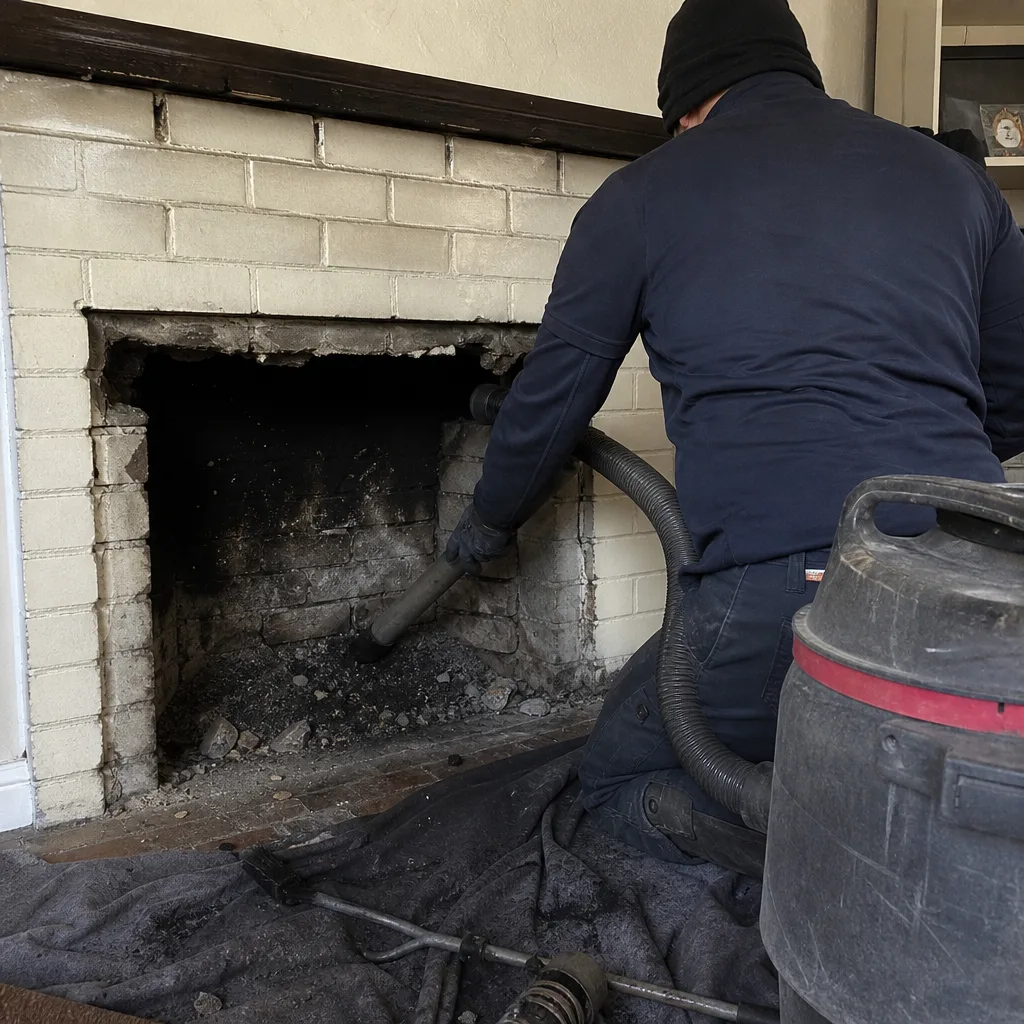 Before
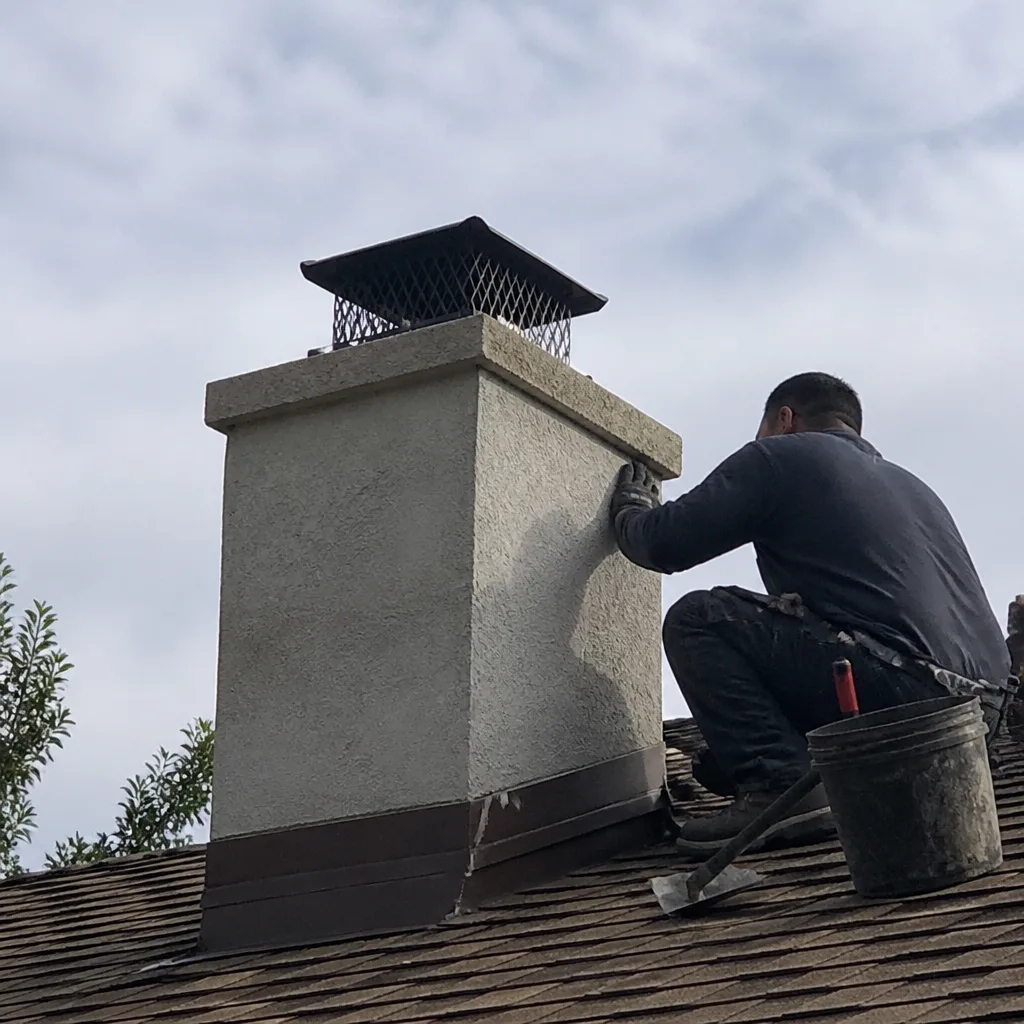 After
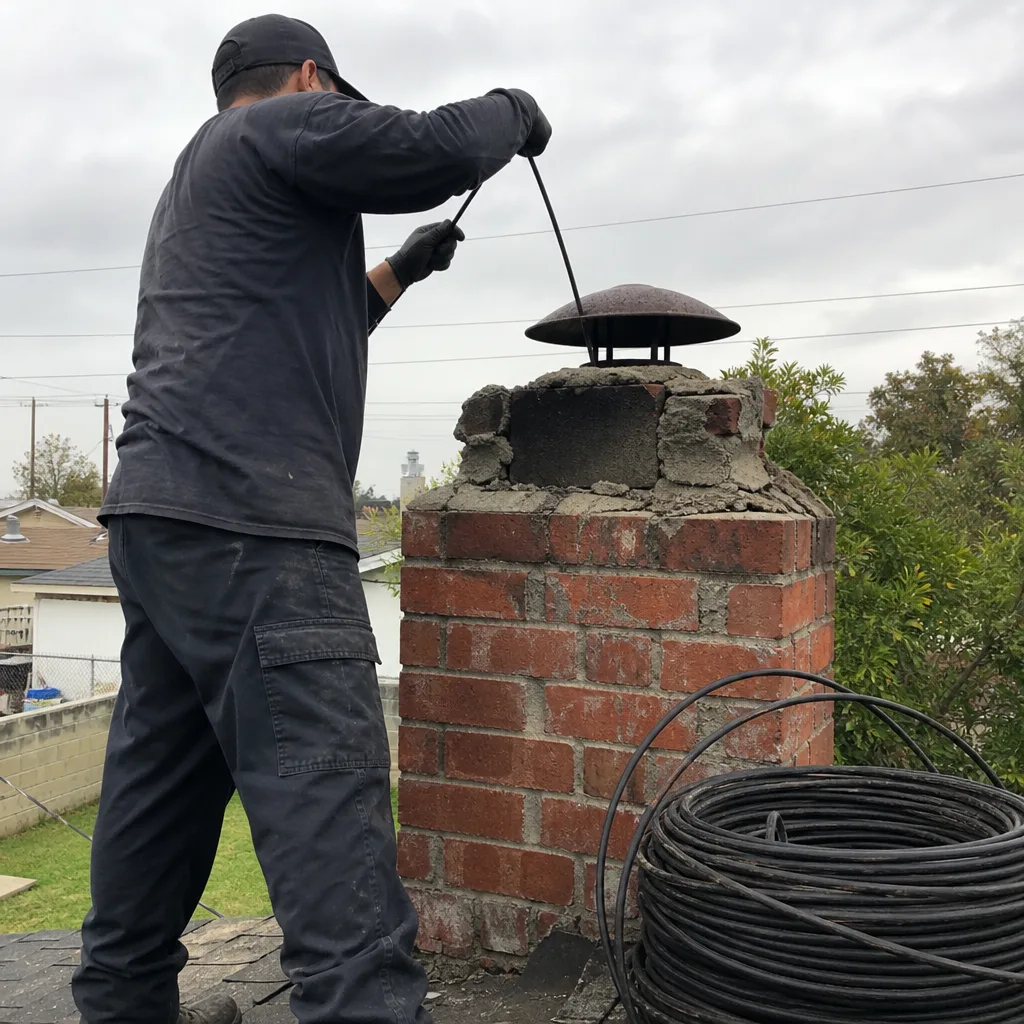 Before
 After
 Before
 After