

Last updated October 31, 2026
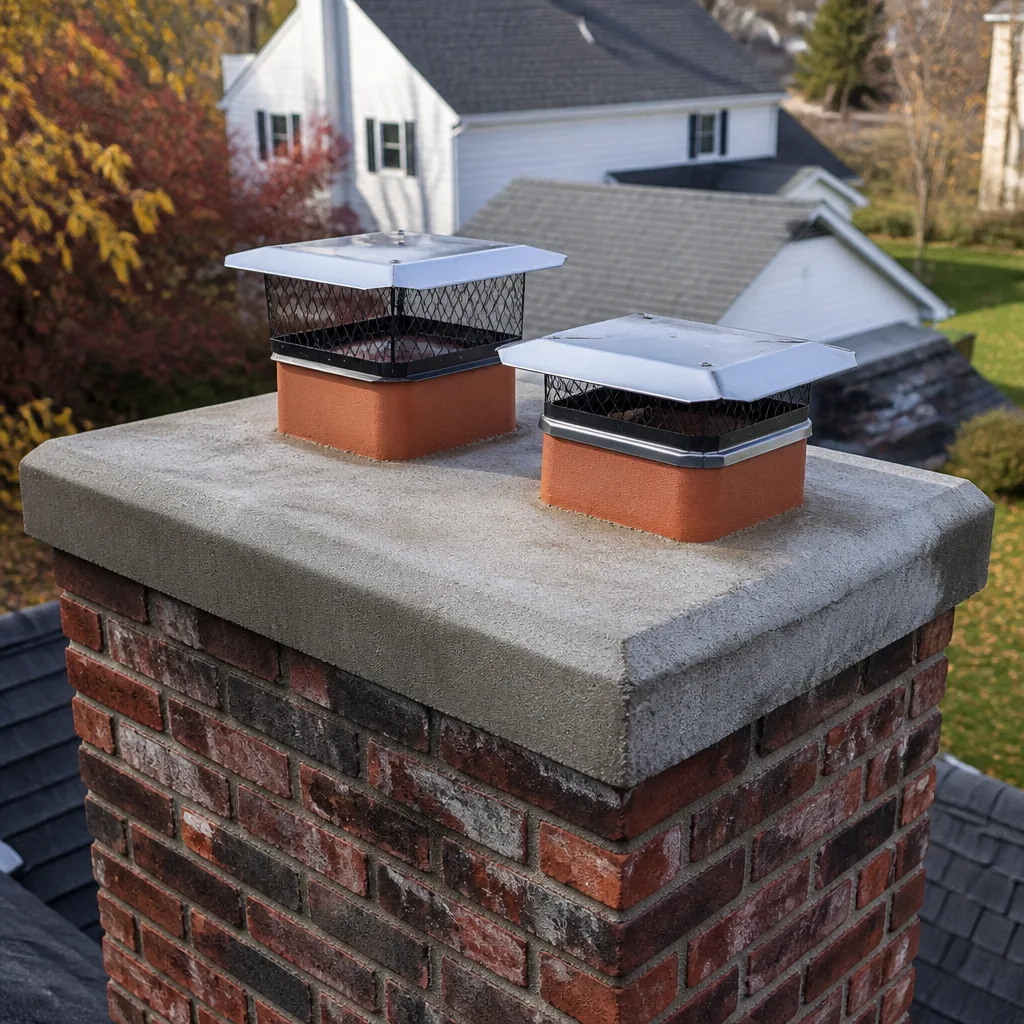 Sweep & inspection
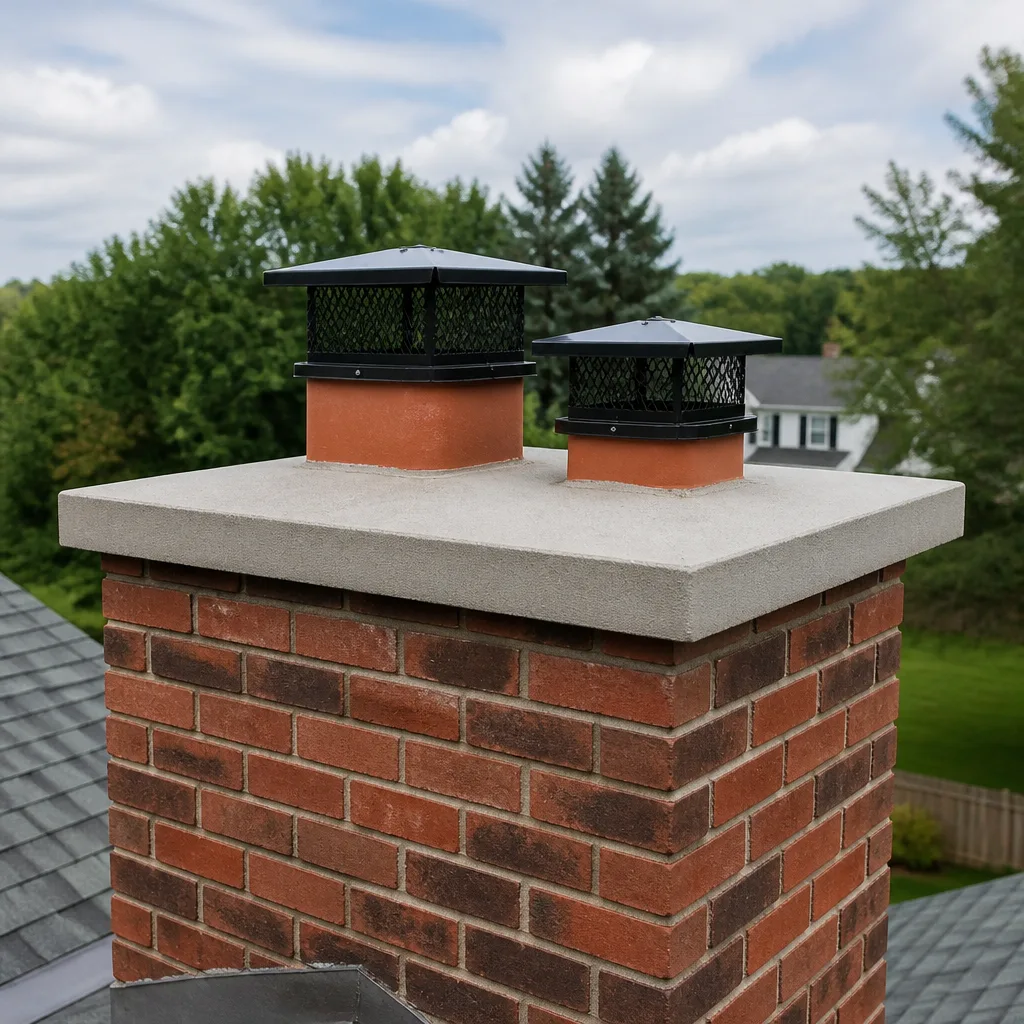 Caps & crowns
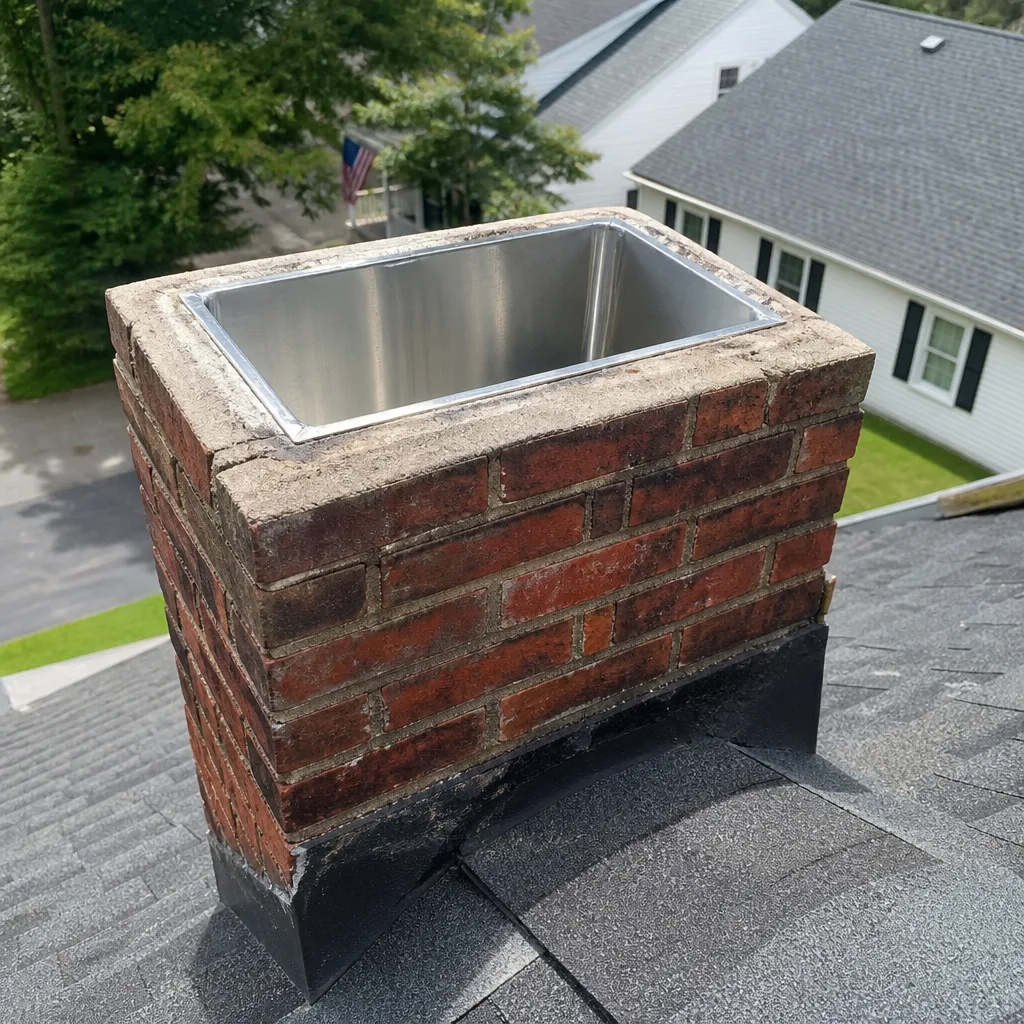 Flue relining
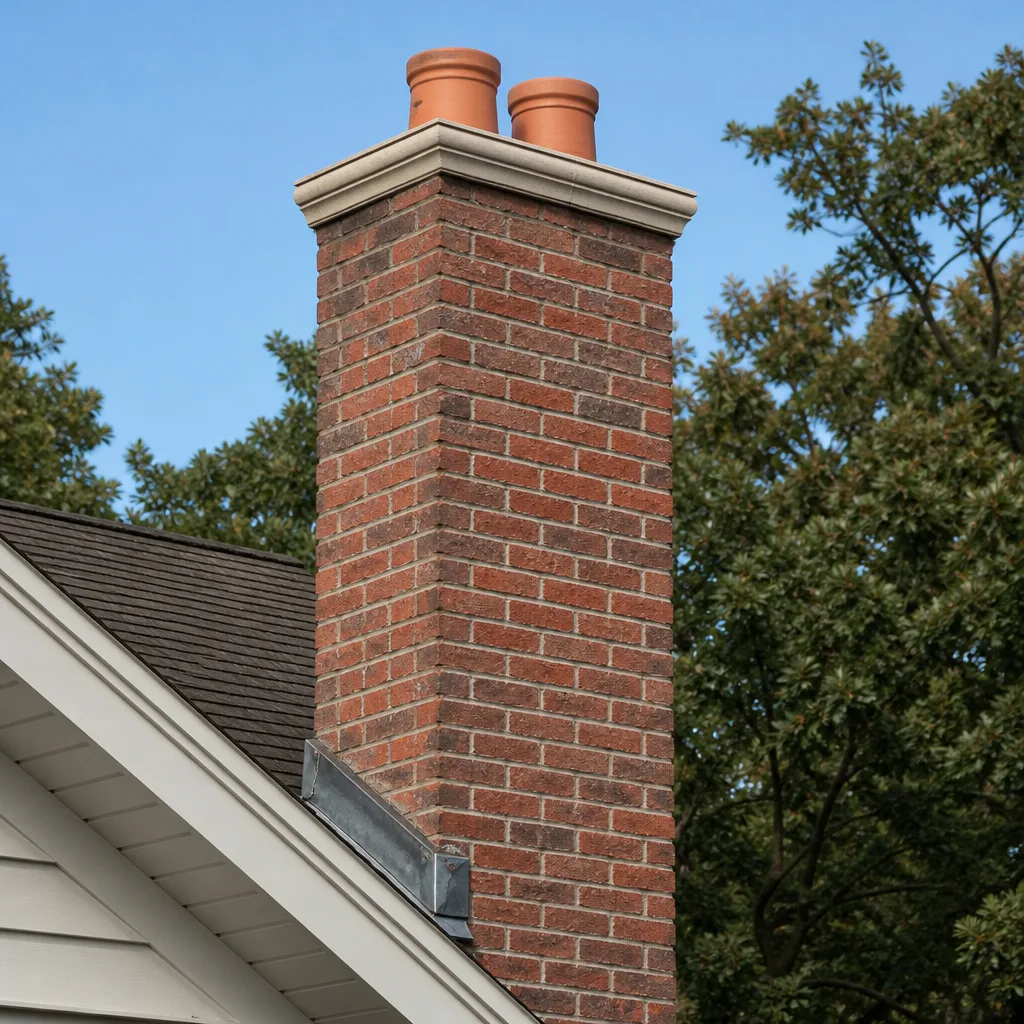 Masonry repair
 Gas fireplace service
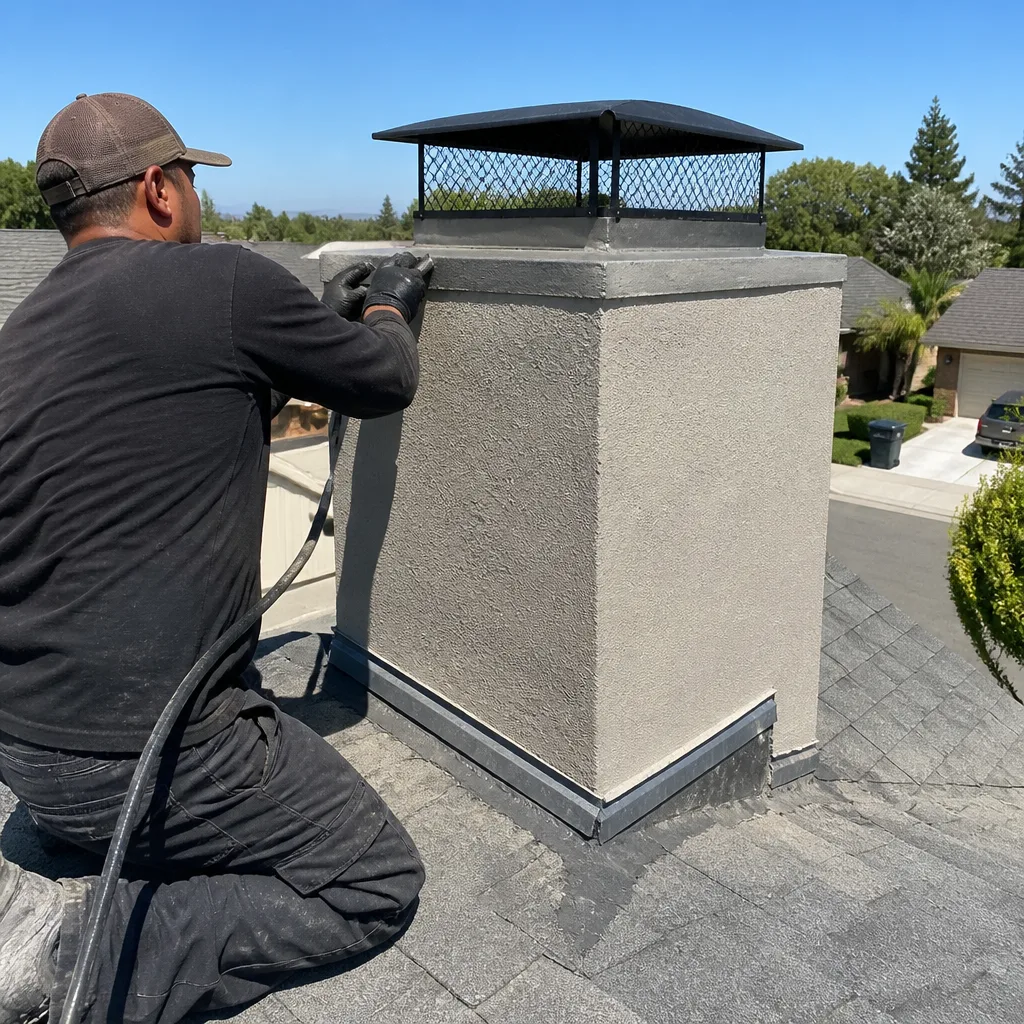
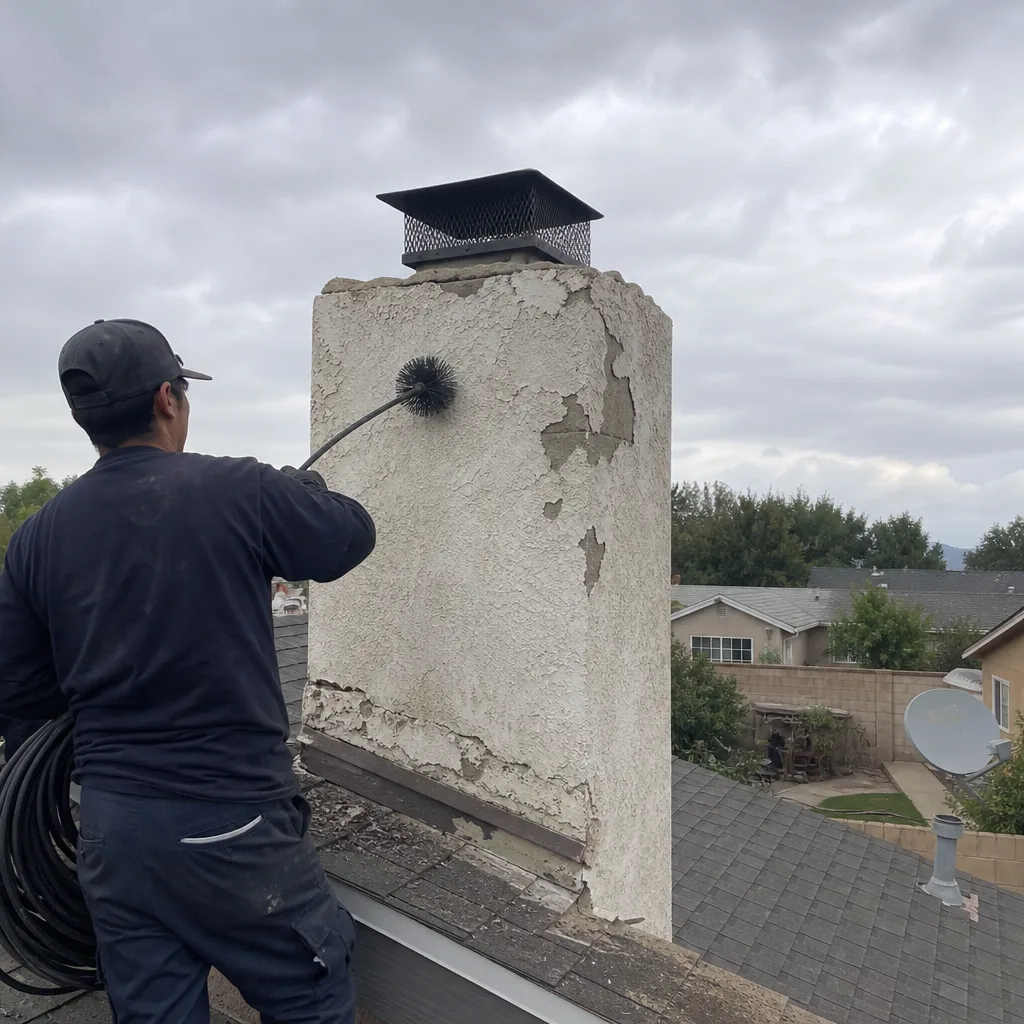
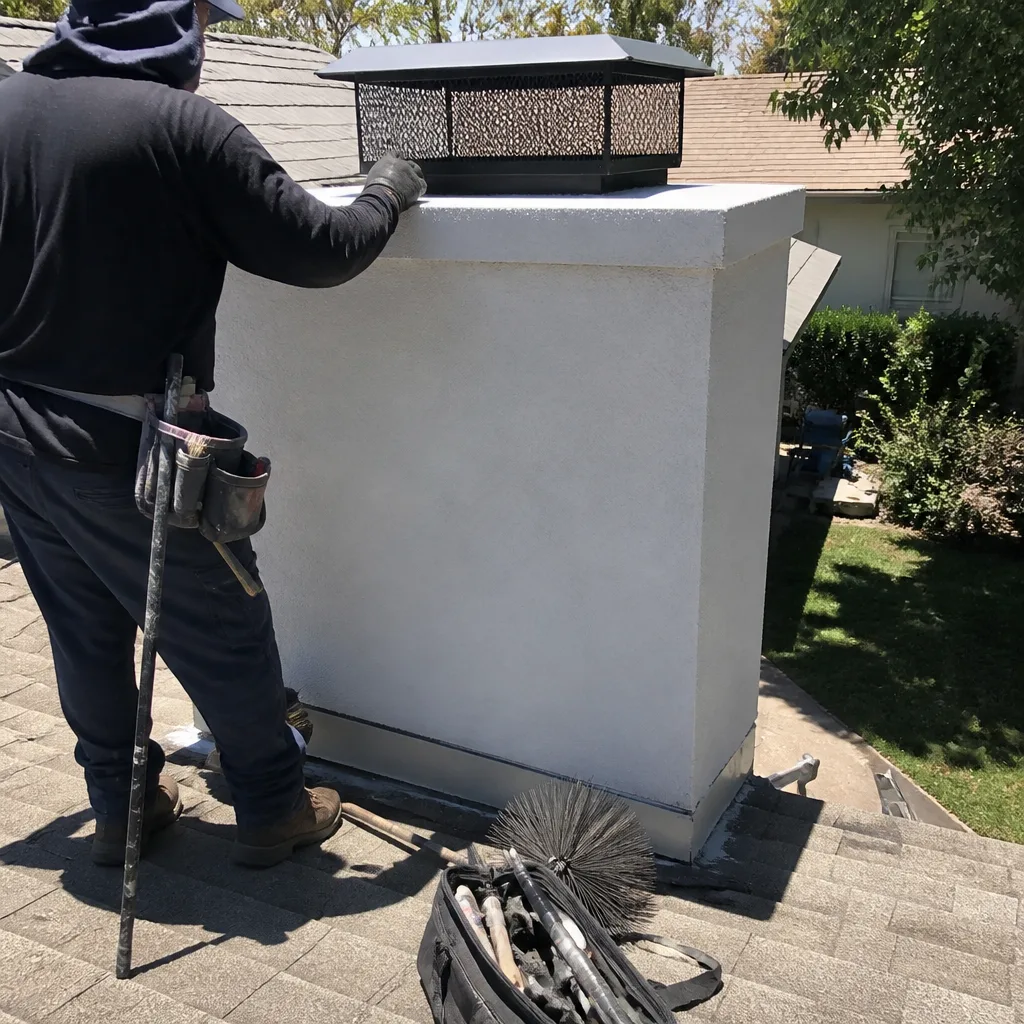
Level 1 sweep and inspection to the NFPA 211 annual standard - flue, crown, cap, and flashing checked and photographed
Chimney sweep logs do not sweep chimneys. They loosen some creosote - which then falls where a brush and vacuum still have to collect it.
Chimney Cleaning Permits, Codes & Inspections in CA: What You Need to Know
Relining a flue in California without a permit isn’t just a technical violation. It can void your homeowner’s insurance coverage for fire-related claims. Most contractors won’t volunteer that upfront, and most homeowners never think to ask. This guide draws the line between routine chimney maintenance, which needs no permit, and structural alterations, which absolutely do. We’ll walk through how the California Building Code treats chimney work, how Los Angeles County amendments change the picture, what a Level 2 inspection actually means for your permit obligations, and how unpermitted work comes back to haunt you at sale. If you’re a homeowner in El Monte or anywhere else in the San Gabriel Valley, this is the information that separates a safe chimney from an expensive liability, and you can find more guides & resources on our blog.
Styles & brands we work with
Quick Answer
Chimney cleaning and routine sweeping do not require a permit anywhere in California. However, liner replacement, masonry rebuilding, firebox repair, and most structural modifications are classified as alterations under the California Building Code and require a permit from your local building department. A standard chimney sweep never requires a permit; a repair that changes the flue’s dimensions, materials, or structural capacity does.
Table of Contents
- The Line Between Maintenance and Alteration in California
- How Los Angeles County Local Amendments Affect Chimney Work
- What a Level 2 Inspection Means for Permit Obligations
- How Unpermitted Chimney Work Affects Home Sales and Title Insurance
- What a Sweep Can Assess Versus What a Licensed Contractor Must Execute
- How El Monte’s Climate and Housing Stock Shape Chimney Code Compliance
- Common Mistakes to Avoid
- When to Call a Professional
- Frequently Asked Questions
- The Bottom Line
The Line Between Maintenance and Alteration in California
The California Building Code draws a bright line between maintenance and alteration. Sweeping a flue, removing creosote, vacuuming the smoke chamber, and inspecting the interior surface are maintenance activities. They do not change the structure, they do not change the materials, and they do not require a permit. Any homeowner can hire a chimney sweep for this work without contacting the building department.
Alteration starts the moment you change what the chimney is made of, how it’s shaped, or how it performs. The California Building Code, specifically Chapter 1, Section 105, requires a permit for any work that involves “the repair, replacement, or alteration of any portion of a building’s structural system.” A masonry chimney is a structural system. So is a factory-built metal chimney. When a technician recommends relining a flue with a stainless steel system like DuraFlex, that is an alteration. When a crew cuts out cracked firebrick and re-mortars the firebox, that is an alteration. When bricks are removed and reset to address spalling, that is an alteration. These projects require a permit from the local authority having jurisdiction, which in El Monte is the City of El Monte Building Division.
Here is the clearest way to think about it:
- Cleaning, sweeping, inspecting, and minor component tightening: No permit.
- Replacing a chimney cap or damper with a like-for-like model: No permit in most jurisdictions, though some cities want a mechanical permit if it’s a top-sealing damper.
- Installing a new flue liner, whether stainless, clay tile, or HeatShield ceramic resurfacing: Permit required.
- Rebuilding a chimney crown, repairing spalling brick, or re-pointing mortar joints beyond surface level: Permit required if the repair changes the structural capacity or extends beyond a defined cosmetic threshold.
- Modifying the flue size to accommodate a new appliance, such as converting from wood to gas: Permit required.
We’ve seen El Monte homeowners get surprised by this more times than we can count. A sweep finds a cracked clay liner during routine cleaning. The homeowner assumes the repair is just an extension of the maintenance. It is not. Once the scope moves from removing soot to changing the flue’s structure, the permitting clock starts.
How Los Angeles County Local Amendments Affect Chimney Work
Los Angeles County adopts the California Building Code with local amendments. Those amendments matter because they determine the practical experience of getting a chimney permit in cities like El Monte, Rosemead, Temple City, and Arcadia. While the state code provides the baseline, local jurisdictions in LA County add administrative layers: plan review requirements, inspection scheduling, and sometimes more restrictive repair thresholds.
One practical effect in LA County: many building departments require proof that a chimney inspection occurred before issuing a repair permit. That means the Level 2 inspection report becomes a permitting document, not just a diagnostic. If you’re pulling a permit to reline a flue, the plan reviewer will often ask for the inspection report that identified the damage. No report, no permit. Homeowners sometimes try to skip the inspection and go straight to the repair. The permit process doesn’t allow that shortcut.
A second LA County pattern: unincorporated areas and independent cities within the county frequently adopt the county’s fire code provisions, which address wood-burning appliance restrictions during no-burn days. El Monte follows the South Coast Air Quality Management District’s air quality rules. A chimney cleaning permit isn’t required to comply with those rules, but the fire code’s operational requirements can affect what a technician recommends. For example, if a home in El Monte has a fireplace that’s been out of use for years, the first firing after a long dormancy requires both a sweep and a visual verification that the flue can handle the heat. A permit is not part of that equation, but a documented inspection is.
The takeaway: assume your local amendment tightens paperwork, not loosens it. The Sherwood Chimney Sweep home team helps El Monte homeowners navigate what their specific address requires, because we deal with the City of El Monte Building Division regularly. Knowing what the plan reviewer asks for saves weeks of back-and-forth.
For homeowners in the nearby South Pasadena area, the process is similar but not identical. Our Chimney Sweep in South Pasadena page covers what that city’s building department wants to see on the inspection side before a repair permit gets issued.
What a Level 2 Inspection Means for Permit Obligations
A Level 2 inspection is what happens when something changes: you’re buying or selling the house, the chimney experienced a seismic event, a chimney fire occurred, or you’re changing the appliance. A Level 2 includes everything in a Level 1 visual sweep plus access to the flue’s interior using video scanning. For permit purposes, a Level 2 inspection report is the document that tells the building department what’s actually wrong inside the flue.
Here’s what a Level 2 inspection report covers, in order:
- Interior flue scan using a video camera, documenting the full length from firebox to termination.
- Visible structural inspection of the exterior chimney, crown, cap, and flashing.
- Firebox and smoke chamber evaluation for cracks, gaps, and mortar joint deterioration.
- Clearance-to-combustibles verification in attics and enclosed spaces where the flue passes through the structure.
- A written report with findings, photos, and recommended remediation.
When the report finds structural damage, the permit question changes from “should we?” to “how soon?” A video scan that reveals a cracked liner or a failed mortar joint between flue tiles creates a documented condition. If you ignore it and a fire occurs, that inspection report becomes the evidence your insurance company uses to deny the claim. This is not hypothetical. We’ve watched insurance adjusters request exactly this documentation from El Monte homeowners after chimney fires, and the existence of an inspection report recommending repair that was never completed has real consequences.
Conversely, a Level 2 inspection that finds no structural issues means no permit is needed. The inspection report becomes a clean bill, not a permit trigger. Understanding this prevents homeowners from paying for permits they don’t need. A clean Level 2 report is a compliance document. A Level 2 report with structural findings is a permit trigger.
How Unpermitted Chimney Work Affects Home Sales and Title Insurance
California’s real estate disclosure laws require sellers to disclose unpermitted work. The standard CAR (California Association of Realtors) Residential Purchase Agreement and Transfer Disclosure Statement include specific questions about additions, alterations, and repairs completed without required permits. A chimney reline done without a permit is a disclosable condition. So is a rebuilt firebox or a masonry repair that exceeded the maintenance threshold.
The practical consequences stack quickly. A buyer discovers unpermitted chimney work during escrow, and three things tend to happen. First, the buyer requests a retrofit permit or a sign-off from the building department before closing. That process can take weeks and sometimes requires opening walls to expose the work for inspection. Second, the buyer uses the unpermitted work as a negotiation lever, requesting a price reduction or a repair credit. Third, in some cases the transaction dies because the title insurer flags the unpermitted alteration as a risk that the policy won’t cover.
Title insurance companies in California are increasingly cautious about unpermitted structural modifications. While title policies typically don’t verify building permits, a visible alteration that appears on an inspection report can raise a red flag during the title search. If the title company’s underwriter determines the unpermitted work creates an insurable risk, they may attach an exception to the policy, excluding coverage for claims arising from the unpermitted chimney work. For an El Monte homeowner preparing to sell, this converts a $1,500 liner repair into a $5,000 or $10,000 escrow problem.
The fix is straightforward: pull the permit before the work happens. Retroactive permits exist but cost more and require longer timelines. A homeowner who plans to reline a flue and sell within five years should factor the permit into the project from day one. Any Chimney Repair in South Pasadena professional will tell you the same thing, because they’ve watched deals stall over this exact issue.
What a Sweep Can Assess Versus What a Licensed Contractor Must Execute
A certified chimney sweep is qualified to inspect, clean, and diagnose. What a sweep is not qualified to do, in most California jurisdictions, is execute structural repairs that require a contractor’s license. The line is the permit. If the work requires a building permit, it requires a licensed contractor with the appropriate classification: a C-29 Masonry Contractor for masonry chimney work, a C-61/D-34 or similar specialty classification for prefabricated chimney installation, or a C-20 Warm-Air Heating, Ventilating and Air-Conditioning Contractor for certain venting improvements.
A sweep may identify that a flue needs relining. The sweep may recommend a specific liner product, such as DuraFlex. But the installation of that liner, in most cases, requires pulling a permit and hiring someone who can sign that permit as the responsible party. In California, a permit holder is typically a licensed contractor or the homeowner under Owner-Builder provisions. Sweeps who hold a contractor’s license can do both the diagnosis and the permitted repair. Sweeps who don’t hold that license can clean, inspect, and refer. Homeowners should ask, plainly, “Who’s pulling the permit for this?” and “What’s your contractor’s license number?”
Sherwood Chimney Sweep operates on the inspection side with diagnostic capability, including video scanning that produces the documentation a plan reviewer wants to see. We apply HeatShield ceramic resurfacing as a restoration method for deteriorating flue liners, which offers a repair path that some contractors can’t provide because they lack the certification. HeatShield is a proprietary system, not a big-box product, and its application requires training and certification from the manufacturer. That matters in El Monte where older masonry chimneys frequently show liner damage that’s repairable rather than replaceable.
How El Monte’s Climate and Housing Stock Shape Chimney Code Compliance
El Monte sits in the San Gabriel Valley, where we get hot, dry summers and cool, occasionally damp winters. The housing stock trends mid-century: homes built between 1945 and 1975 with masonry chimneys, clay tile liners, and original fireboxes. That combination, clay tile plus decades of thermal cycling, produces a predictable pattern of liner cracks and mortar joint failure. Homeowners in neighborhoods like Mountain View, Five Points, and Arden Village call us with the same set of symptoms: a flue that used to draw well but now smokes, a fireplace that smells musty after rain, or visible efflorescence on the exterior brick.
The climate matters for code compliance because El Monte’s building department sees these older chimneys as structural liabilities. The city sits in a seismic zone, and un-reinforced masonry chimneys are a known earthquake hazard. Local plan reviewers in the San Gabriel Valley tend to be more thorough on chimney repair permits than their counterparts in, say, Riverside County, because they know the housing stock and the seismic risk. That thoroughness shows up in the permit conditions: a plan reviewer may require a structural engineer’s letter for a rebuild rather than accepting a contractor’s scope statement alone. Or they may require an inspection at the open-wall stage before allowing the flue to be enclosed.
Seasonal air quality rules add another layer. The South Coast AQMD’s residential wood-burning rules apply to El Monte, including no-burn days and the wood-burning device change-out requirements. A chimney cleaning never triggers a permit under AQMD rules, but a major modification to a wood-burning fireplace may trigger a change-out requirement. You can’t just reline a flue and keep burning wood in an older El Monte home without checking whether the appliance itself is still compliant. This is exactly the kind of detail that a generalist contractor misses and a specialist catches. For homeowners who haven’t considered the venting side of fire prevention, our Dryer Vent Cleaning in South Pasadena guide covers the parallel concerns for dryer exhaust systems.
Common Mistakes to Avoid
- Skipping the permit on a liner replacement because the contractor “never needed one before.” The building department’s enforcement posture changes over time, and an insurance adjuster doesn’t care what a contractor’s past practice was. The permit is for you, not for the contractor’s convenience.
- Treating a Level 2 inspection as an optional upsell. If you’ve had a chimney fire, a seismic event, or you’re changing appliances, the inspection is not optional. It’s the document that either clears you or triggers the permit obligation.
- Letting a handyman do structural masonry repair. Rebuilding a crown or re-pointing a mortar joint beyond surface level is structural work. An unlicensed handyman doing this in El Monte exposes you to the same unpermitted-work consequences as any other shortcut.
- Disclosing nothing at sale and hoping it passes. A buyer’s home inspector will flag a recent reline or a rebuilt firebox. The disclosure question on the CAR forms is not ambiguous. Disclose, or deal with an escrow dispute.
- Assuming a permit means the work was done right. A permit is a paperwork trail, not a quality endorsement. The inspection verifies what the inspector can see. Workmanship issues behind walls still matter, which is why you want a specialist, not a generalist, executing the repair.
- Using “restore before you replace” as a universal rule. HeatShield ceramic resurfacing is appropriate for specific liner conditions, not every liner. A flue with structural collapse or severe offset damage needs a full reline, not a resurfacing. A professional-grade assessment determines which path the code and the condition actually require.
When to Call a Professional
Call a chimney specialist when a Level 2 inspection reveals structural findings, when you smell smoke in the house when the fireplace isn’t in use, when you see crumbling mortar or spalling brick on the exterior chimney, or when you’re planning to sell and want a documented, permitted repair history. Call before you purchase a home with a masonry chimney, so the inspection happens as part of due diligence. Call if you’ve had a chimney fire, even a small one. Call if you’ve never had the flue inspected and you’ve lived in the house for more than three years. Sherwood Chimney Sweep offers free estimates in El Monte, and we’ll tell you plainly whether the work is maintenance or a permitted alteration. Call (833) 589-8498.
Frequently Asked Questions
No. Chimney sweeping, creosote removal, and visual inspection are maintenance activities that require no permit anywhere in California, including El Monte. The permit obligation begins only when the work changes the structure, materials, or flue dimensions.
A standard chimney sweep in El Monte typically runs between $180 and $300, depending on the chimney’s condition and the level of creosote buildup. If a video scan for a Level 2 inspection is added, expect to add $100 to $200. Call (833) 589-8498 for a precise quote, because every chimney’s condition is different.
Yes. Installing a new flue liner, whether it’s a DuraFlex stainless system, clay tile, or a HeatShield ceramic resurfacing application, is classified as an alteration under the California Building Code and requires a permit from the local building department. The inspection report that identified the liner damage becomes part of the permit application.
You must disclose it on the California Transfer Disclosure Statement. Failure to disclose opens you to a post-sale lawsuit for material misrepresentation. Even with disclosure, buyers frequently demand retrofit permits, price reductions, or repair escrows to close the transaction.
Once per burning season, which in the San Gabriel Valley typically means a sweep in late summer or early fall before the first fireplace use, as detailed in our Chimney Sweep Maintenance Checklist for El Monte Homeowners. Homes that burn more than three cords of wood per season or that burn unseasoned wood may need a mid-season sweep. The National Fire Protection Association standard is an annual inspection with cleaning as needed.
A Level 2 inspection includes a video scan of the flue interior, evaluation of the firebox and smoke chamber for cracks, and verification of clearances in enclosed spaces where the flue passes through the structure. It’s required after a chimney fire, an earthquake, a change of appliance, or a property transfer. The inspection report becomes a permit trigger if structural findings emerge.
A chimney sweep can diagnose the crack and recommend the repair method, but executing the repair typically requires a licensed contractor and a building permit; see our Chimney Sweep Troubleshooting: Common Problems and How to Fix Them for more. Some chimney companies hold contractor’s licenses and can do both the diagnosis and the permitted repair. Ask who’s pulling the permit before you sign anything.
The Bottom Line
Chimney cleaning in California never requires a permit. Chimney repairs and modifications almost always do. The threshold is the structural line: once work changes the flue’s materials, shape, or structural capacity, you’re in permit territory. A Level 2 inspection is the document that tells you which side of that line your chimney sits on. Unpermitted work follows you through home sales, insurance claims, and title insurance underwriting. El Monte homeowners with mid-century masonry chimneys should expect more scrutiny from the building department, not less, because the seismic hazard is real and the local plan reviewers know it. Pull the permit, keep the paperwork, and hire a specialist who can distinguish between a clean sweep and a structural repair. Call (833) 589-8498 to schedule an inspection and get a straight answer on where your chimney stands.
Written by the team at Sherwood Chimney Sweep, serving El Monte since 2017.
See the difference
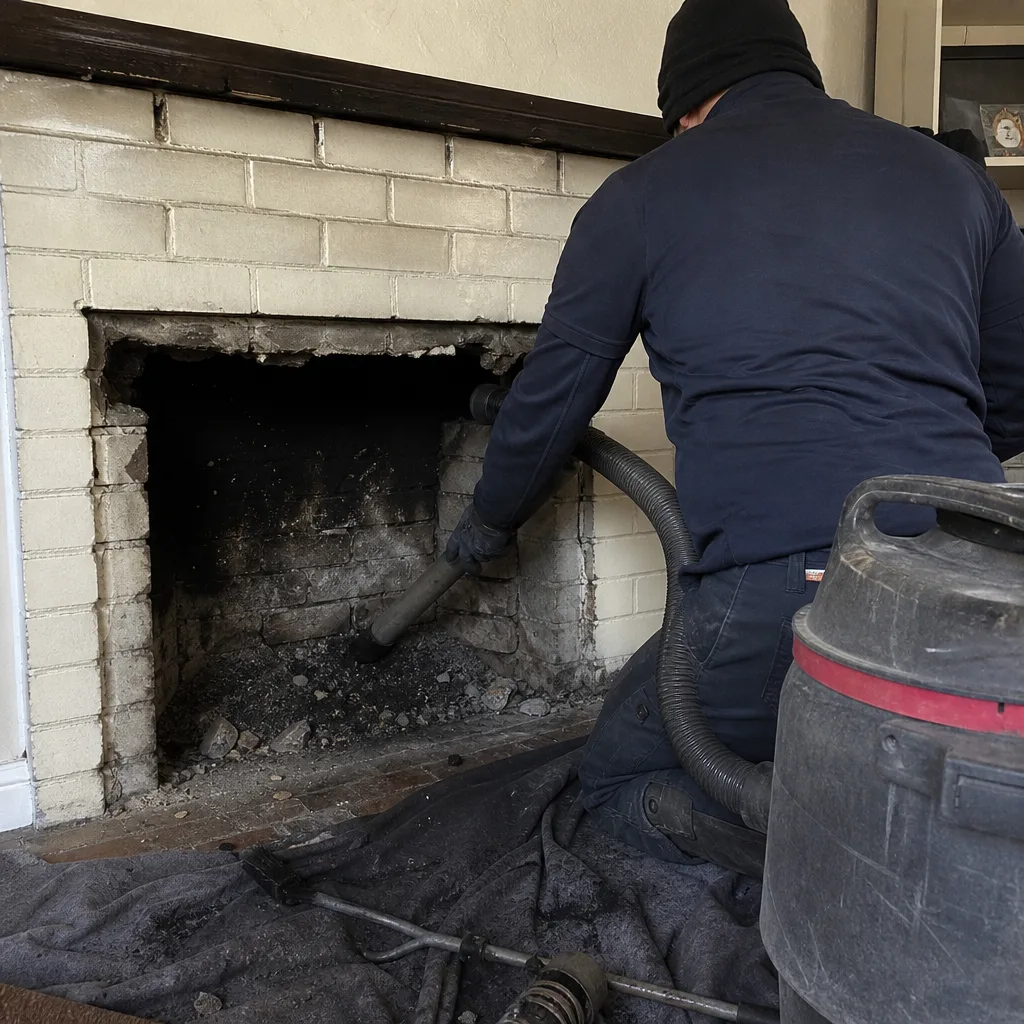 Before
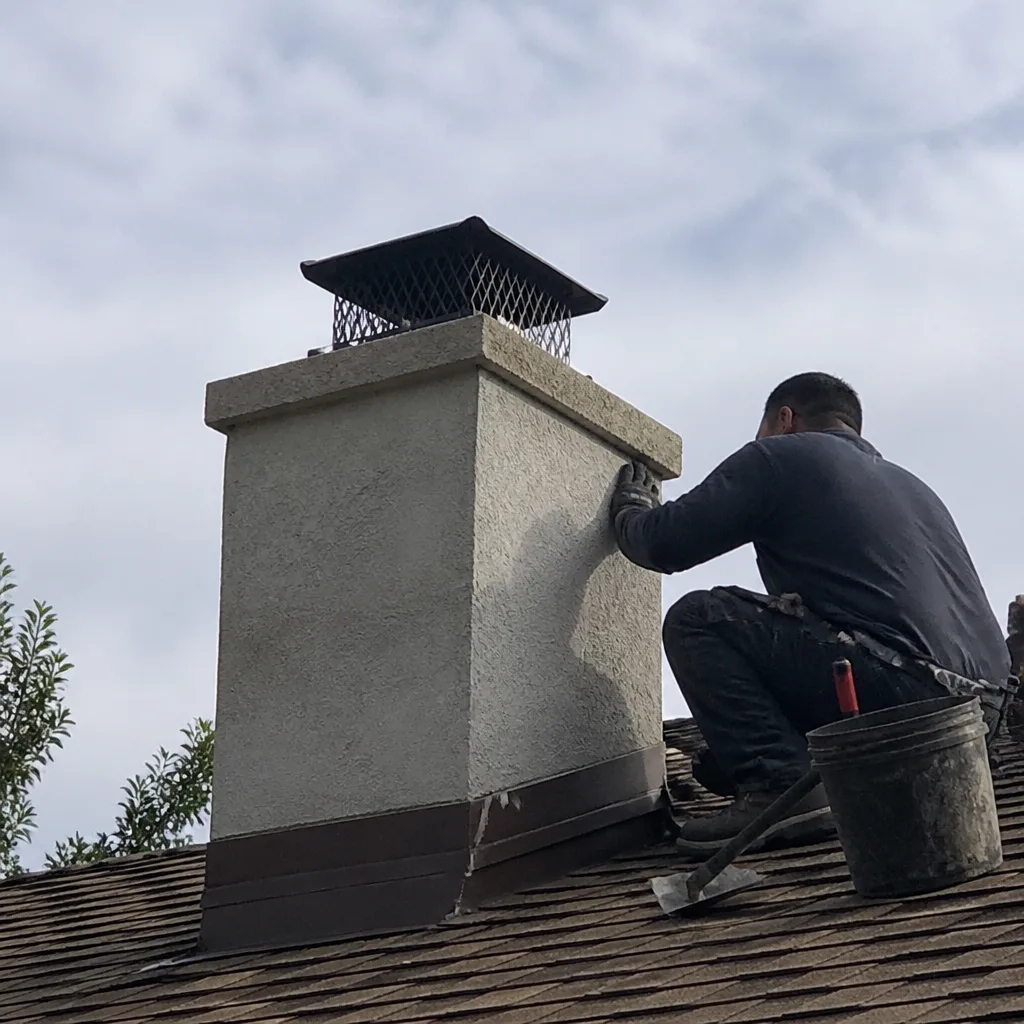 After
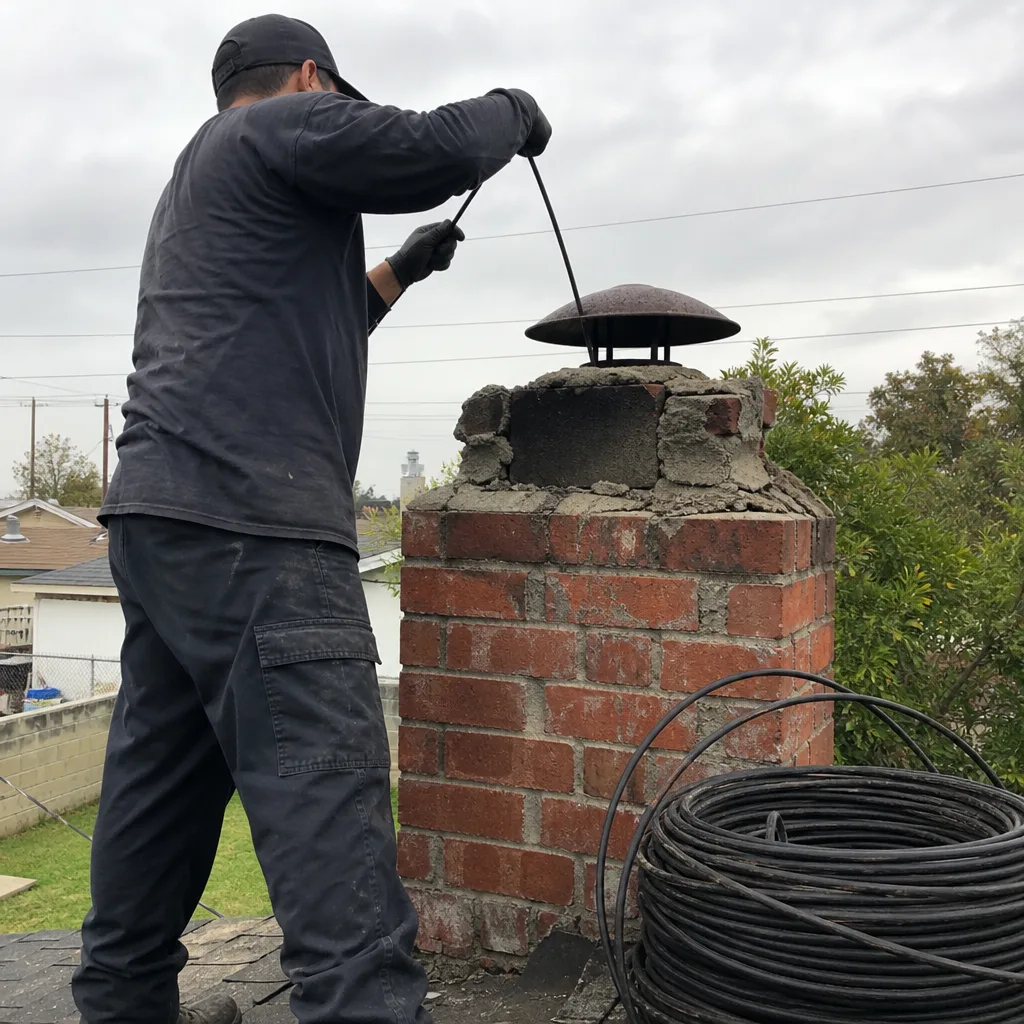 Before
 After
 Before
 After