
Last updated October 31, 2026
 Sweep & inspection
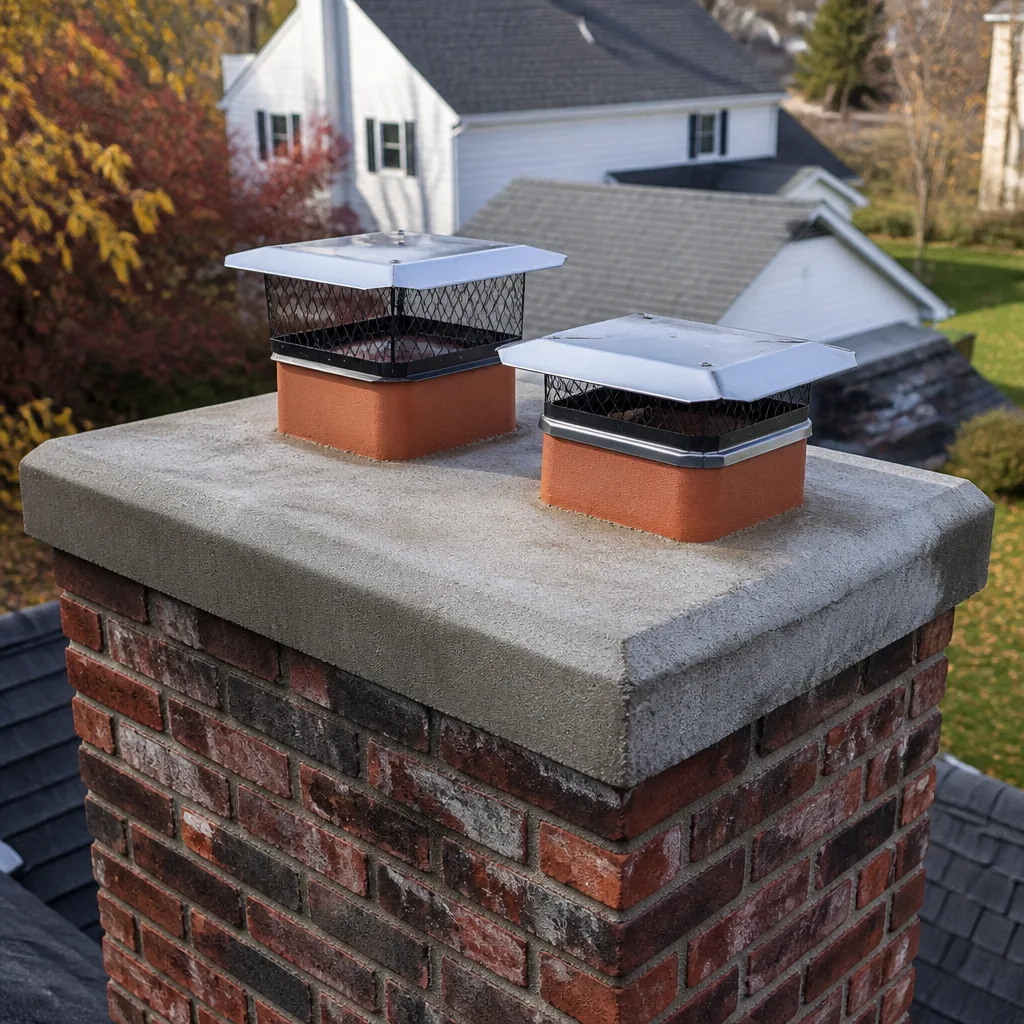
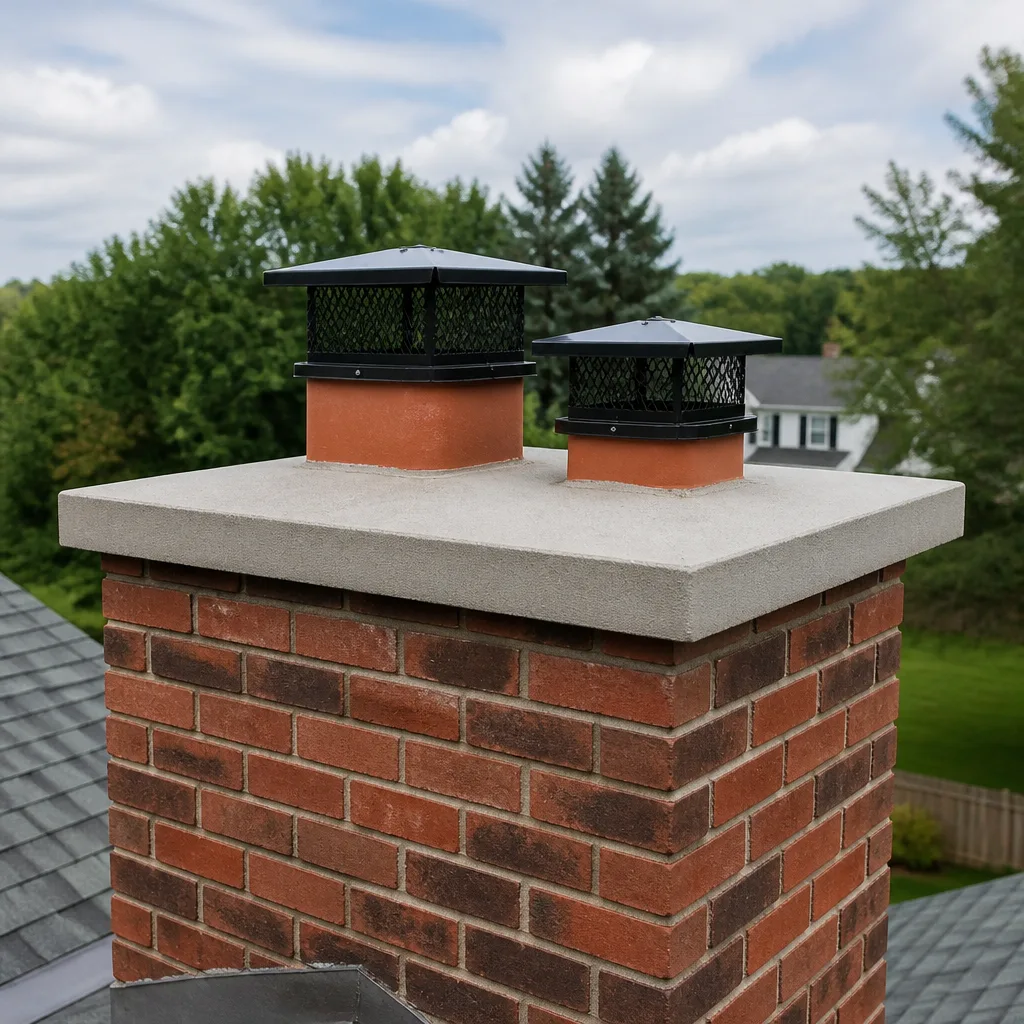 Caps & crowns
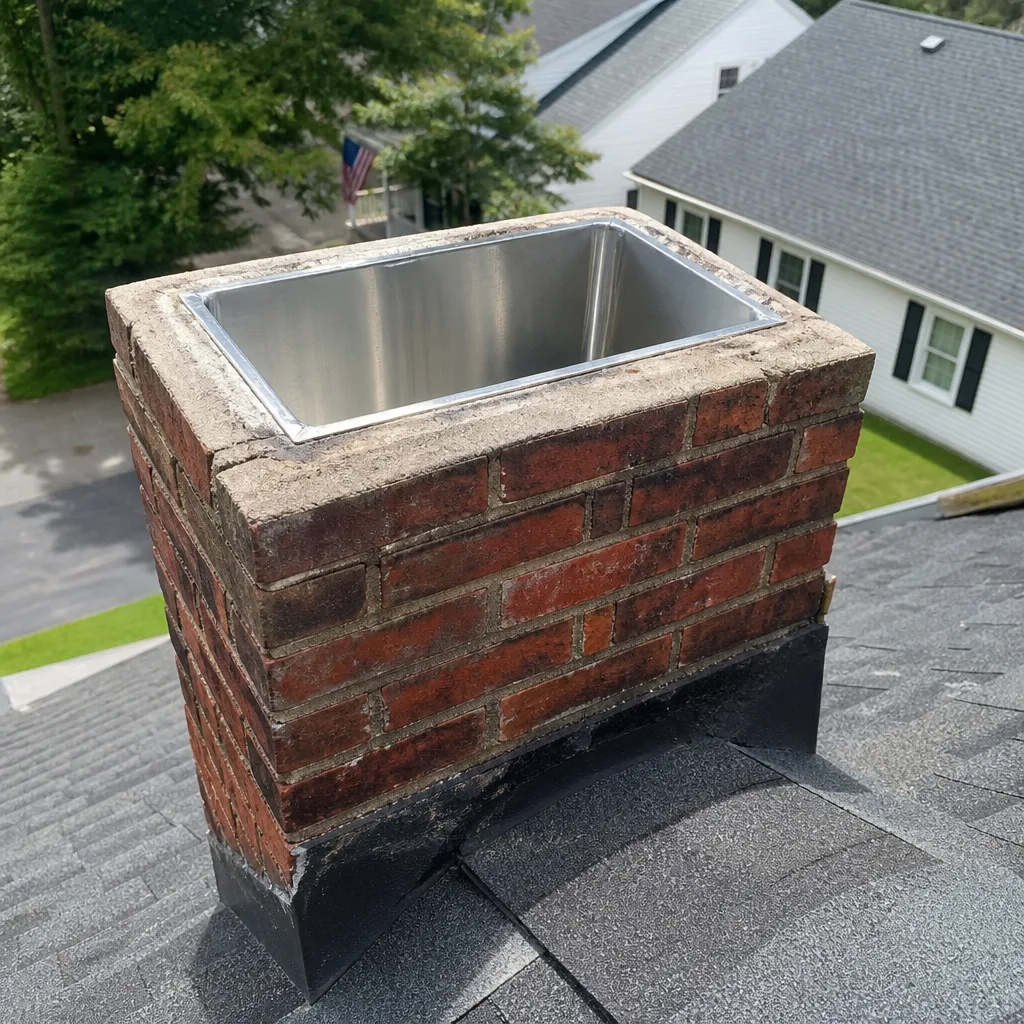 Flue relining
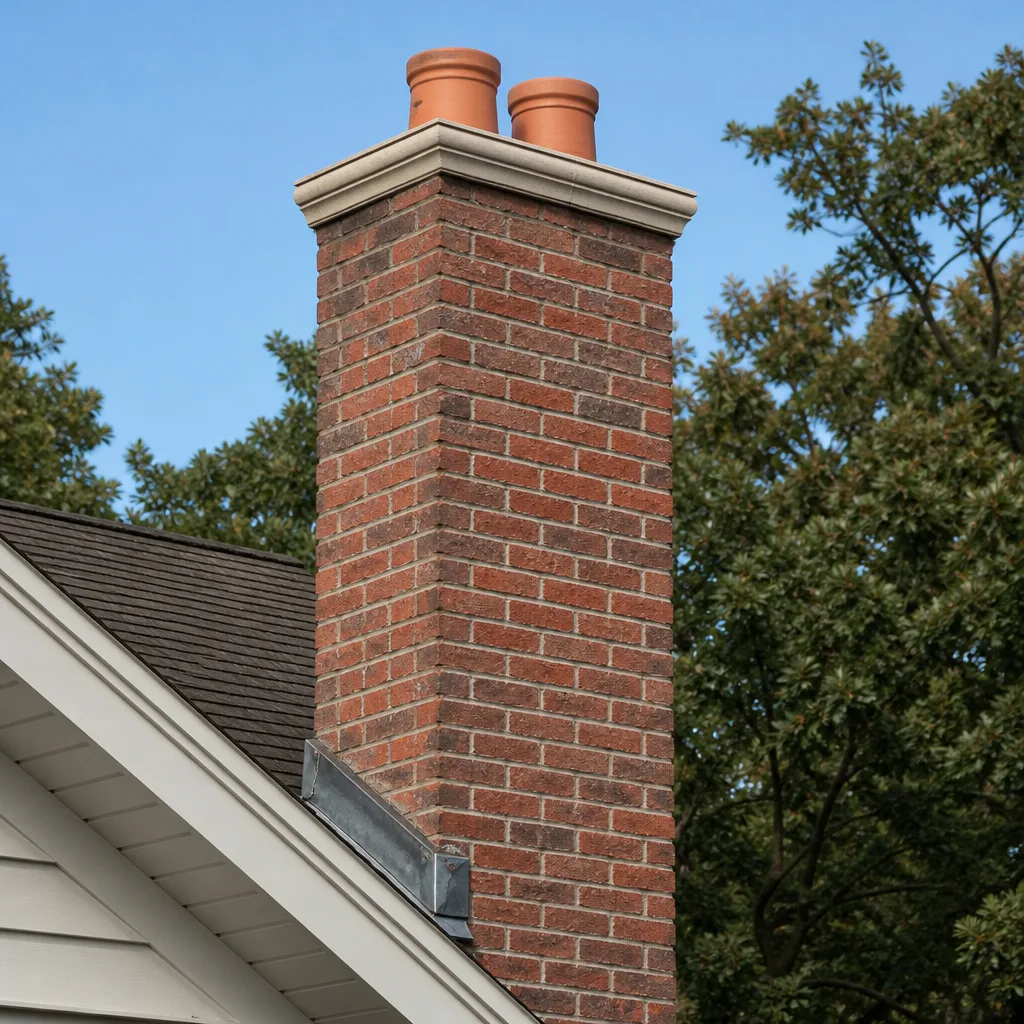 Masonry repair
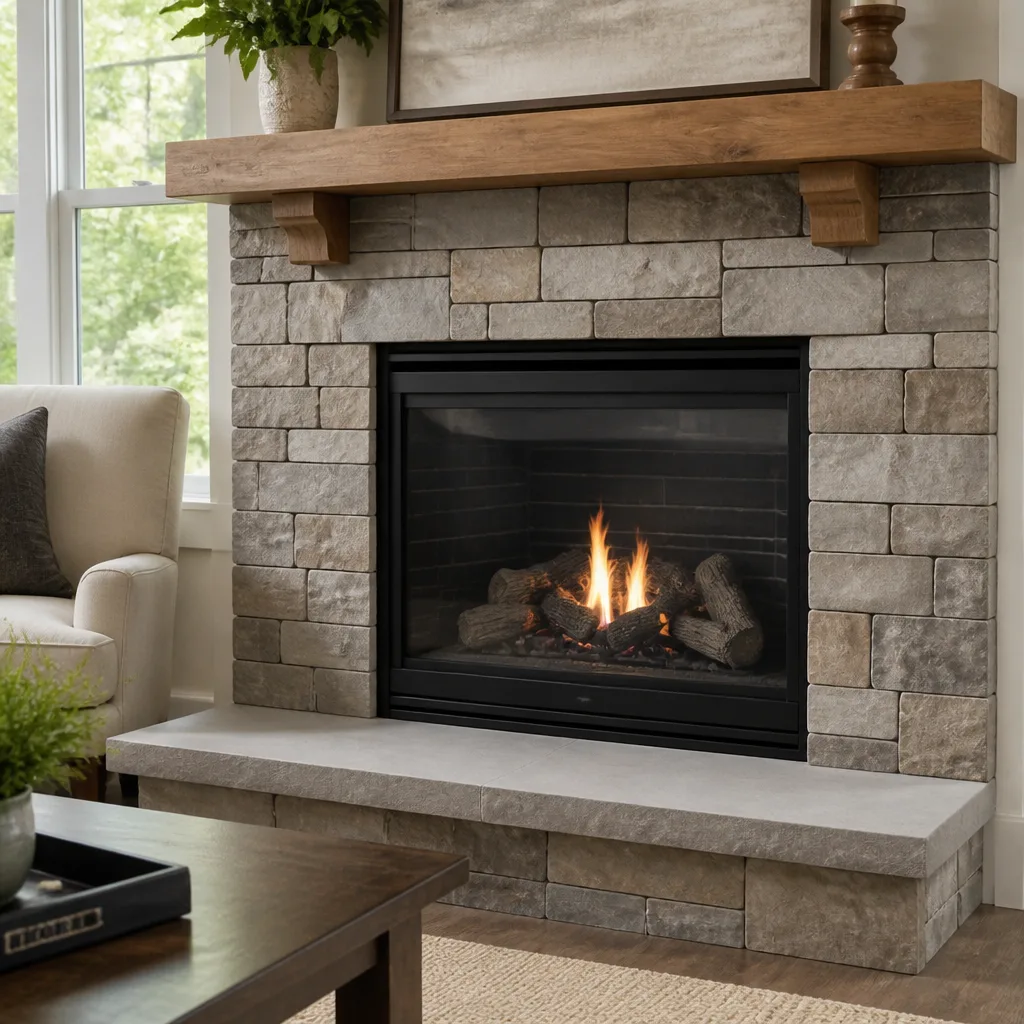 Gas fireplace service
Level 1 sweep and inspection to the NFPA 211 annual standard - flue, crown, cap, and flashing checked and photographed
Chimney sweep logs do not sweep chimneys. They loosen some creosote - which then falls where a brush and vacuum still have to collect it.
Choosing the Right Chimney Cleaning Brand: A Buyer’s Guide for El Monte
The chimney sealant your sweep applies to your crown can last three years or fifteen, and the difference isn’t weather. It’s the product specification, which almost no homeowner in El Monte thinks to ask about. Most people interview contractors about price and scheduling while ignoring the single biggest variable in how long the work actually holds up: what materials go on and into the chimney. This guide explains why professional-grade products behave differently than what’s on the shelf at a hardware store, how to ask contractors the right questions, and what to look for when evaluating bids. For The Complete Chimney Sweep Guide for El Monte Homeowners, see our dedicated resource. By the end, you’ll know more about chimney materials than most sweeps expect their customers to know, and you’ll be able to spot the difference between a maintenance-grade job and a restoration-grade job before signing anything.
Styles & brands we work with
Quick Answer
The right chimney cleaning brand for your El Monte home depends on three things: what your chimney is made of, what condition it’s in, and whether your contractor sources from professional industry distributors or consumer retail shelves. In practice, this means choosing a sweep who uses professional-specification products like DuraFlex liner systems, HeatShield ceramic resurfacing, Copperfield components, or Gelco sealants rather than generic hardware-store alternatives. The brand itself matters less than the supply chain behind it, because professional brands are engineered for specific chimney materials and failure modes, while consumer products are formulated for the broadest possible market at the lowest possible cost.
Table of Contents
- Why Materials Matter More Than the Cleaning Itself
- The Product Categories That Actually Affect Your Chimney
- Professional-Grade vs. Hardware-Store Products: The Real Difference
- Matching Products to Your Chimney Material Type
- How to Ask a Contractor What They Use, and Interpret the Answer
- Brand Names Industry Professionals Actually Rely On
- What El Monte Homeowners Need to Know About Local Conditions
- Common Mistakes to Avoid
- When to Call a Professional
- Frequently Asked Questions
- The Bottom Line
Why Materials Matter More Than the Cleaning Itself
Here’s what surprised us when we started tracking this: a chimney sweep can do a technically correct job with the wrong product and produce results that fail years before a mediocre sweep using the right product. The physical act of brushing soot and creosote out of a flue is not complicated. What separates a three-year chimney from a fifteen-year chimney is what gets applied afterward, and what gets installed when things have gone wrong.
Creosote removers are a good example. The consumer-grade powder you shake onto a fire, sold at every hardware store in the San Gabriel Valley, does chemically alter creosote in the early stages. But it’s formulated conservatively because the manufacturer doesn’t know what kind of chimney you have, what temperatures you’re burning at, or what condition your liner is in. Professional-grade creosote treatments, like those specified by trade suppliers such as Copperfield, come in different formulations for different creosote stages: first-degree fluffy soot, second-degree tar-like glaze, and third-degree hardened buildup. The active chemistry is different for each. A sweep using professional products assesses the stage and applies the matching treatment. A sweep using a retail product applies the same thing to everything, because that’s all they have.
El Monte’s climate adds another variable. We get temperature swings between cool winter evenings and hot summer afternoons, and we get enough marine-layer moisture pushing inland to affect masonry. Crown sealants expand and contract with those swings. A sealant not designed for the thermal cycling common in this part of Los Angeles County will crack after a few seasons. A professional-specification elastomeric sealant from a brand like Gelco, which is formulated for chimney crowns specifically rather than general masonry, tolerates those cycles far better. The chemistry matters. The product spec matters. And almost no homeowner thinks to ask.
This guide is the place where that changes.
The Product Categories That Actually Affect Your Chimney
When we talk about “chimney cleaning brands” in El Monte, we’re really talking about four distinct product categories that get used during routine maintenance, inspection, and repair. Each has its own quality spectrum, and each behaves differently depending on what it’s applied to.
1. Creosote Removers and Stage-Specific Treatments
Creosote is not one substance. It forms in progressive stages as wood smoke condenses inside the flue. First-degree creosote is a dry, sooty film that brushes off easily. Second-degree is a dark, tar-like coating that requires chemical treatment or rotary tools. Third-degree is a hardened glaze that can require mechanical removal and, in severe cases, liner replacement. Professional-grade creosote treatments from brands like Gelco are stage-specific: the product a sweep uses on first-degree buildup is different from what’s applied to second-degree. Consumer products are generalized because they have to work “okay” on everything, which means they excel at nothing.
2. Crown Sealants
The chimney crown is the concrete or mortar slab at the top of the chimney that sheds water away from the flue. It takes the full brunt of El Monte’s rain, sun, and temperature swings. Cracks in the crown allow water into the masonry structure, and that’s when spalling and mortar joint failure begin. Professional crown sealants are elastomeric, meaning they flex with the chimney’s thermal movement without losing adhesion. They’re applied in specific thicknesses per the manufacturer’s specification. Hardware-store sealants are typically acrylic or basic silicone, which either don’t flex enough or degrade under UV exposure within a few years. The price difference per job is maybe $40 to $80 in materials. The longevity difference is easily a decade.
3. Flashing Compounds and Waterproofing
Chimney flashing is the metal-to-masonry junction where the chimney meets the roofline. It’s one of the most common leak points in any El Monte home. Professional flashing compounds are formulated to bond to both the metal flashing and the masonry surface while remaining flexible. The wrong product here leads to the same failure pattern we see over and over: a homeowner pays for a repair, the flashing holds for a season or two, then a persistent leak returns. The material spec is the difference between a repair and a re-repair.
4. Flue Liner Systems
When a clay tile liner cracks or deteriorates, the chimney can no longer safely contain combustion byproducts. The fix is either a stainless steel liner system or a cast-in-place ceramic liner. This is where product quality is most obvious. A DuraFlex flexible stainless liner, for example, is engineered to meet specific UL listings and is specified by certified chimney professionals. The material is not interchangeable with a generic flexible pipe from a home improvement store. The gauge, the alloy, the corrugation profile, and the connector design all affect safety and longevity. A homeowner who doesn’t ask what liner is being installed is essentially buying a product blind.
Professional-Grade vs. Hardware-Store Products: The Real Difference
Let’s be clear about what separates a professional chimney product from a consumer one, because it’s not just branding or price. It comes down to specification, distribution, and accountability.
Professional-grade chimney materials are distributed through industry-only supply chains. Companies like Copperfield and Olympia Chimney sell to licensed hearth and chimney professionals, not to the general public. You can’t walk into a retail store and buy what we’re talking about here. That’s not because the industry is being exclusive. It’s because these products are sold with the expectation that the person applying them understands the material science, the application conditions, and the safety implications. Manufacturers of professional products provide specification sheets, training, and technical support. They stand behind their products with defined performance parameters because they know the installer has been trained to use them correctly.
Consumer hardware-store products are made for the opposite use case: a homeowner who wants to solve a problem on a Saturday afternoon with minimal knowledge and no specialized tools. That’s not a knock on the products; they work for what they’re designed to do. But they’re designed to be safe in untrained hands, which inherently limits their performance. A creosote remover that’s potent enough to strip third-degree glaze is dangerous if used improperly. So the consumer version is diluted. A crown sealant that requires precise mixing temperatures and application thickness is a liability in a retail setting, so the consumer version is a one-part acrylic that’s easy to apply and mediocre over time.
The result: a professional sweeping your El Monte chimney and a homeowner applying store-bought products are not doing the same job, even when the task description sounds identical. When you hire a contractor who sources from professional distributors, you’re not just paying for labor. You’re paying for access to materials that aren’t available to the public, and for the training required to use them correctly.
Our own workshop in El Monte stocks materials from the same professional supply chain used by certified chimney engineers nationwide, and the difference shows up in how long the work lasts. That’s not a brag. It’s an observation from thousands of chimney inspections where we can see, plainly, which previous repairs held and which didn’t. The pattern is consistent: professional materials, properly applied, outperform consumer alternatives by a wide margin.
Matching Products to Your Chimney Material Type
One of the biggest mistakes we see from contractors, and from homeowners trying to DIY, is using a product that’s wrong for the chimney’s construction. The right professional brand for a clay tile flue is often the wrong one for a stainless liner, and vice versa. Matching matters.
Clay Tile Flues
The traditional clay tile flue is common in El Monte homes built from the 1940s through the early 1980s. These flues are durable but brittle. They crack due to thermal stress, chimney fires, or seismic movement. Certain neighborhoods in El Monte, especially older housing stock near Valley Boulevard and Flair Drive area, have a high concentration of clay tile flues. If the tiles are cracked or deteriorated, the standard professional fix is a DuraFlex stainless liner installed inside the existing flue, or a HeatShield cerfied resurfacing system that restores the interior surface without full replacement. A homeowner asking for “a liner” without specifying the type may end up with a product that’s not compatible with the existing clay tile geometry.
Stainless Steel Liners
Stainless steel liners are either flexible or rigid. Flexible liners, like those from DuraFlex, are used when the flue has offsets or is difficult to access. Rigid liners are used in straight flues where maximum durability is warranted. The quality of stainless steel varies enormously by alloy: 316L alloy is typically specified for wood-burning chimneys because it resists corrosion from acidic creosote byproducts, while 304 alloy is sometimes used for gas or oil venting where corrosion conditions are different. A professional knows which alloy suits which fuel. A homeowner buying a liner from a retail catalog does not.
Cast-in-Place Liners
Cast-in-place systems, like HeatShield, are a different approach entirely. Instead of inserting a pre-fabricated metal liner, the technician applies a ceramic material that coats the inside of the existing flue and cures into a smooth, insulated surface. This is a restoration approach rather than a replacement approach. It’s the right call when the existing flue is structurally sound but has surface damage, cracked mortar joints between tiles, or minor gaps that don’t warrant full tear-out. HeatShield is a proprietary system, and the training to apply it correctly is specific to the manufacturer. This is a clear example of a product category where “brand” directly determines capability: a company either has HeatShield certification or it doesn’t. If your chimney could benefit from restoration rather than replacement, you need a contractor with access to this system, not a competitor’s approximation.
How to Ask a Contractor What They Use, and Interpret the Answer
Here’s the part where this guide turns into a practical tool. When you’re interviewing chimney sweeps in El Monte, here’s what to ask and how to read what comes back.
- “What brands do you use for liners, sealants, and creosote treatments?”
If the answer is a blank look followed by “whatever’s at the supply house,” you’re talking to a contractor who doesn’t think about materials. If the answer names specific professional brands with reasons for each (“we use Gelco for crown sealant because it’s elastomeric and holds up to thermal cycling”), you’re talking to someone who knows their trade. - “Where do you buy your materials?”
Professional distributors like Copperfield and Olympia Chimney only sell to trade professionals. A contractor who names an industry distributor is sourcing professional-grade products. A contractor who says “the hardware store” or “wherever it’s cheapest” is using consumer products. This one question tells you more than ten Yelp reviews. - “What do you use for crown repair, and how thick do you apply it?”
Professional crown sealant has a specified application thickness. If the contractor can’t tell you the product name and the thickness spec, they’re likely using a generic masonry sealant and guessing. That’s a red flag. - “Can I see the spec sheet for the liner you’re proposing?”
A professional who installs DuraFlex or similar systems will have manufacturer documentation on hand. A contractor who can’t produce a spec sheet is likely installing something they can’t stand behind.
In our experience in El Monte, the contractors who answer these questions clearly and specifically are the ones whose work holds up. The ones who deflect, get vague, or talk about price instead of product are the ones whose repairs we find failing two or three years later. The material conversation is a shortcut to the quality conversation.
This is also where the full-service distinction matters. A company that handles chimney cleaning, dryer vent cleaning, and structural repair under one roof, like Sherwood Chimney Sweep home, is more likely to have a consistent material philosophy across all three service lines. A company that only sweeps chimneys and subcontracts repairs may not have any standard at all for liner selection or crown sealant.
Brand Names Industry Professionals Actually Rely On
Here are the brands that come up consistently when we talk to certified chimney professionals about what they actually specify, not what they advertise. We’re naming these because homeowners deserve a reference point when evaluating bids. This is not a comprehensive list of every professional brand in the industry, but these names are established and respected in the trade.
DuraFlex
DuraFlex is a leading manufacturer of flexible stainless steel chimney liner systems. Their products are specified by chimney professionals for relining clay tile flues where the original liner has cracked or deteriorated. DuraFlex liners are manufactured to specific UL standards, and the alloy choice (usually 316L for wood-burning applications) is designed for corrosion resistance against creosote byproducts. When a contractor proposes a DuraFlex liner in El Monte, that’s a signal they’re working with professional-grade material, not a generic substitute.
HeatShield
HeatShield is a proprietary ceramic flue resurfacing system that restores the interior of a deteriorating flue without full replacement. It’s a restoration technology that most basic chimney sweeps don’t offer because it requires manufacturer-specific training and certification. For flues with surface damage, cracked mortar joints between tiles, or minor gaps, HeatShield can restore structural integrity and fire resistance at a fraction of the cost of a full tear-out and liner replacement. This is the “restore before you replace” philosophy in action.
Copperfield
Copperfield is one of the most respected professional chimney supply distributors in the industry. They don’t sell to consumers. When a contractor sources through Copperfield, it’s a clear signal that they’re buying from the professional supply chain, not from a retail shelf. Copperfield distributes a range of industry-grade products including liners, caps, dampers, and installation components.
Gelco
Gelco produces professional-grade sealants and waterproofing products designed specifically for chimney applications. Their crown sealants are elastomeric, meaning they flex with the thermal expansion and contraction of the masonry without cracking. For El Monte’s temperature fluctuations, this matters a lot. A sealant that can’t flex will fail within seasons, regardless of how carefully it’s applied.
What El Monte Homeowners Need to Know About Local Conditions
El Monte has specific characteristics that affect chimney material performance, and a good material choice in Santa Monica is not always the right one here. Here’s what we see in the field across El Monte neighborhoods, from the older housing near Rio Hondo to the postwar tracts east of Rosemead Boulevard.
Temperature Swing and Thermal Cycling
El Monte sits inland enough to get hot summer temperatures but close enough to the coast to get cooling marine influence in the mornings and evenings. That creates daily thermal cycling that stresses chimney masonry and sealants. Crown sealant is the first thing to fail when a product isn’t elastomeric enough. We’ve seen hardware-store acrylic sealant crack within two years in El Monte homes, while professional elastomeric products from firms like Gelco last a decade or more. This is not a hypothetical difference; it’s visible in the field.
Older Housing Stock and Clay Tile Flues
A significant portion of El Monte’s single-family housing was built between the 1940s and the 1970s. These homes typically have masonry chimneys with clay tile flue liners, and those tiles are now reaching end-of-life. Cracking from decades of heating and cooling is common. The right fix for these homes varies: some need a DuraFlex stainless liner, some need HeatShield resurfacing, some need full rebuilds. But the consistent pattern is that the material choice matters more for these older chimneys than for newer construction. An older clay tile flue has less margin for error.
Fire Season and Creosote Load
El Monte homeowners who burn wood seasonally, from late fall through early spring, accumulate creosote at a rate that depends on what they burn and how hot they burn it. The San Gabriel Valley also has air quality regulations that come into play during burn bans and “no-burn” days, which many homeowners don’t realize until they’re told by the local air district. A professional sweep who works in El Monte regularly knows the burning patterns and the typical accumulation rates for local homes. That local knowledge, combined with the right professional creosote treatment, is worth something real.
Dryer Vent Fire Risk
This guide is about chimney cleaning brands, but if you’re a homeowner in El Monte, your dryer vent is part of the same fire-prevention conversation. The leading cause of household dryer fires is lint accumulation in the vent line, and most homeowners have never had their dryer vent inspected. A company that treats chimney sweeping and dryer vent cleaning as one fire-prevention service under one roof, like Dryer Vent Cleaning in South Pasadena, gives El Monte homeowners a single point of contact for both. If you’re already thinking about chimney safety, the dryer vent is the natural next thing to check.
Common Mistakes to Avoid
- Hiring on price alone. The cheapest bid in El Monte is cheap for a reason, and that reason is usually the material. Consumer-grade sealants and generic liners cost less upfront and fail sooner. The expensive part of cheap materials is paying for the repair twice.
- Assuming all sweeps use the same products. They don’t. Some El Monte contractors source through professional channels like Copperfield; others buy from hardware stores. The results look similar on day one and diverge dramatically by year three.
- Not asking about liner compatibility. A stainless liner that’s right for a gas appliance is often wrong for a wood-burning chimney. The alloy matters. The UL listing matters. If your contractor can’t explain which liner suits your fuel type, get a different contractor.
- Treating crown cracks as a cosmetic issue. Cracks in the chimney crown are the entry point for water, and water causes the spalling and mortar failure that lead to expensive rebuilds. A $40 tub of professional sealant applied at the right thickness prevents a $4,000 rebuild. In El Monte’s climate, delaying this is a costly mistake.
- Skipping annual inspections. The older El Monte chimneys with clay tile flues need regular inspection because the failure mode is invisible. A cracked tile behind the wall doesn’t announce itself until it’s a fire hazard or a carbon monoxide risk. Annual inspection with a professional who knows what to look for is the cheapest insurance in the whole chimney conversation.
- Assuming a “cleaning” and an “inspection” are the same thing. They’re not. A brushing removes visible creosote. An inspection evaluates liner condition, crown condition, flashing, and clearances. A cheap sweep that only brushes is not a substitute for a proper inspection by someone who understands what they’re looking at.
When to Call a Professional
Call a professional if you notice any of the following: a smoky fireplace that doesn’t draft properly, visible cracks in your chimney crown or brickwork, water staining on the ceiling near the chimney, a strong creosote odor even when the fireplace isn’t in use, or if it’s simply been more than a year since your last inspection. For more guides & resources, explore our blog. Also call if you’ve never had your dryer vent checked and you’re noticing longer drying times or a burning smell. None of these are things you should try to diagnose or repair yourself, especially when liner damage is involved. A damaged flue liner is a carbon monoxide risk, and that’s not a DIY situation.
Sherwood Chimney Sweep offers free estimates in El Monte, call (833) 589-8498. We service the full system: the sweep, the vent, and the structural repair. If you’re in El Monte and you want a professional who uses professional-grade materials, not hardware-store substitutes, we’re who you call.
Frequently Asked Questions
A standard chimney sweep and inspection in El Monte typically costs between $180 and $350 for an open masonry fireplace, depending on the level of creosote buildup and accessibility. This is roughly in line with Los Angeles County pricing, though some El Monte homes with older clay tile flues require more time if buildup is heavy. The price should include the inspection; if a contractor charges separately for a basic visual inspection, ask why. Call (833) 589-8498 for a specific quote.
Professional sweeps in the El Monte area typically use brands from the professional supply chain, including Gelco for crown sealant, DuraFlex for stainless liner systems, and HeatShield for ceramic flue resurfacing. These brands are distributed through industry-only channels like Copperfield and Olympia Chimney, meaning they’re not available at hardware stores. When a contractor names these brands, it’s a strong signal they source from the professional supply chain rather than retail shelves.
Yes, and here’s why: the product a contractor chooses determines how long the work lasts. A crown sealant from a hardware store might last three years; a professional elastomeric sealant from a brand like Gelco can last fifteen. The labor is the same either way. The only way to know which outcome you’re paying for is to ask what’s being applied to your chimney and where it came from.
You can, but DIY vs professional chimney cleaning is a decision worth weighing carefully: you’ll be working with consumer-grade tools and chemicals designed for safe use by untrained people, which means limited effectiveness on anything beyond first-degree creosote. Safety is also a real concern: climbing a ladder with a chimney brush in an El Monte neighborhood with older roof lines is a fall risk. If you go this route, at minimum still schedule a professional inspection every year. The things that go wrong with chimneys are rarely visible from the firebox, and a professional knows what to look for.
The National Fire Protection Association recommends annual inspection and cleaning as needed. For El Monte homeowners who burn more than a couple of cords per season, annual sweeping is the safe standard. If you only burn occasionally, you might stretch to every other year, but the inspection should still be annual. Older clay tile flues, common in El Monte’s housing stock, benefit from more frequent evaluation because liner deterioration is invisible until it’s dangerous.
HeatShield is a ceramic material applied to the interior of the existing flue that cures into a smooth, insulated surface. It restores the flue without replacement. A stainless steel liner, like those from DuraFlex, is a pre-fabricated metal liner inserted inside the existing flue. HeatShield is the right call when the existing structure is sound but the surface is deteriorated. A stainless liner is the right call when the tiles are structurally compromised or a full reline is warranted. A professional inspection determines which applies to your chimney. If you’re in El Monte and want to know which path fits your home, call (833) 589-8498.
The Bottom Line
Choosing the right chimney cleaning brand in El Monte comes down to choosing the right company, because the brands worth using are not available at retail. Professional-grade products from companies like DuraFlex, HeatShield, Gelco, and the distributors that supply them, like Copperfield, are only accessible to trained professionals, and that’s by design. They’re specified for specific chimney materials and failure modes, not for the broadest possible consumer market. When you hire a sweep, ask what they use and where they buy it. The answer tells you everything about how long the work will last. For homeowners in Chimney Sweep in South Pasadena or anywhere else in the San Gabriel Valley, the same principle applies: materials matter, and the contractor who can talk about them clearly is the one who can fix your chimney correctly. For those needing structural work, Chimney Repair in South Pasadena applies the same standard: professional-grade repair, not half-measures. If you’re in El Monte, call (833) 589-8498 for a free estimate, and ask us what we’ll use. We’ll tell you exactly, because we think you should know.
Written by the team at Sherwood Chimney Sweep, serving El Monte since 2017.
See the difference
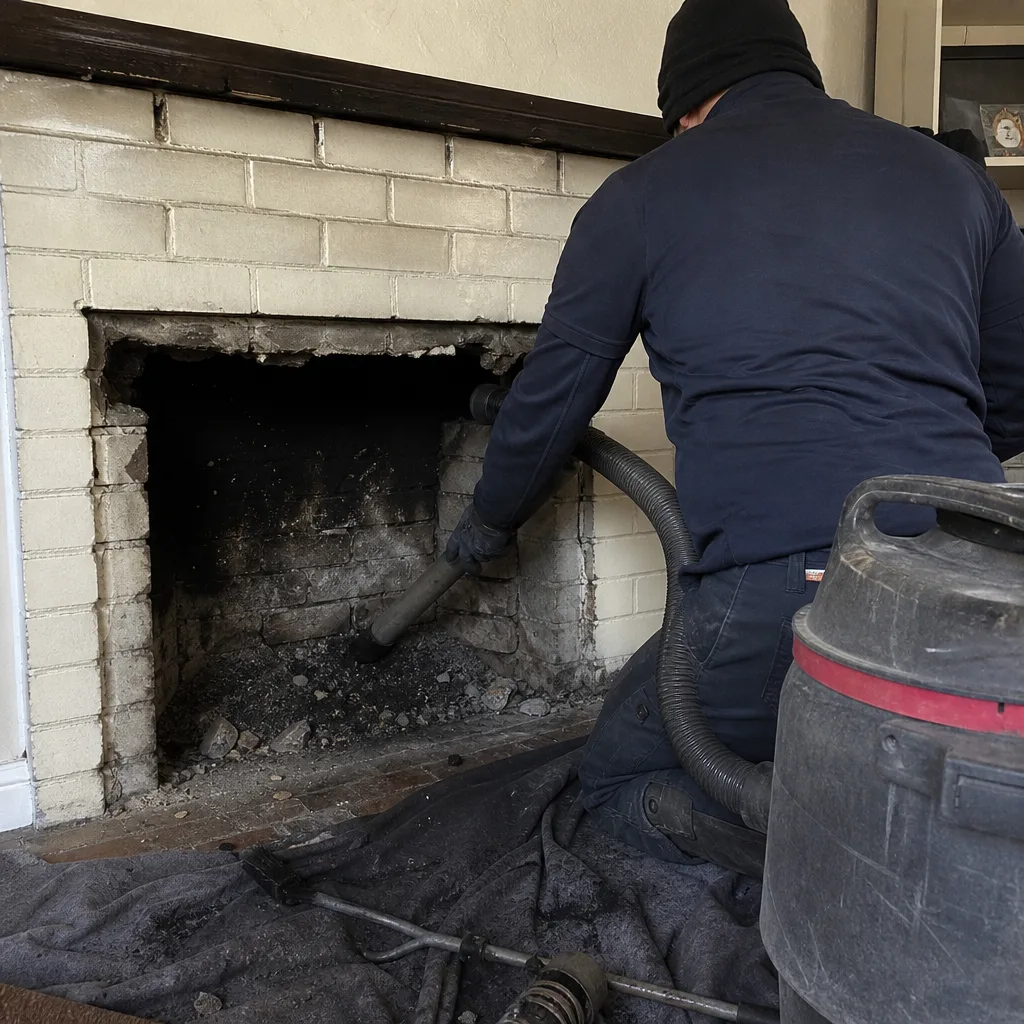 Before
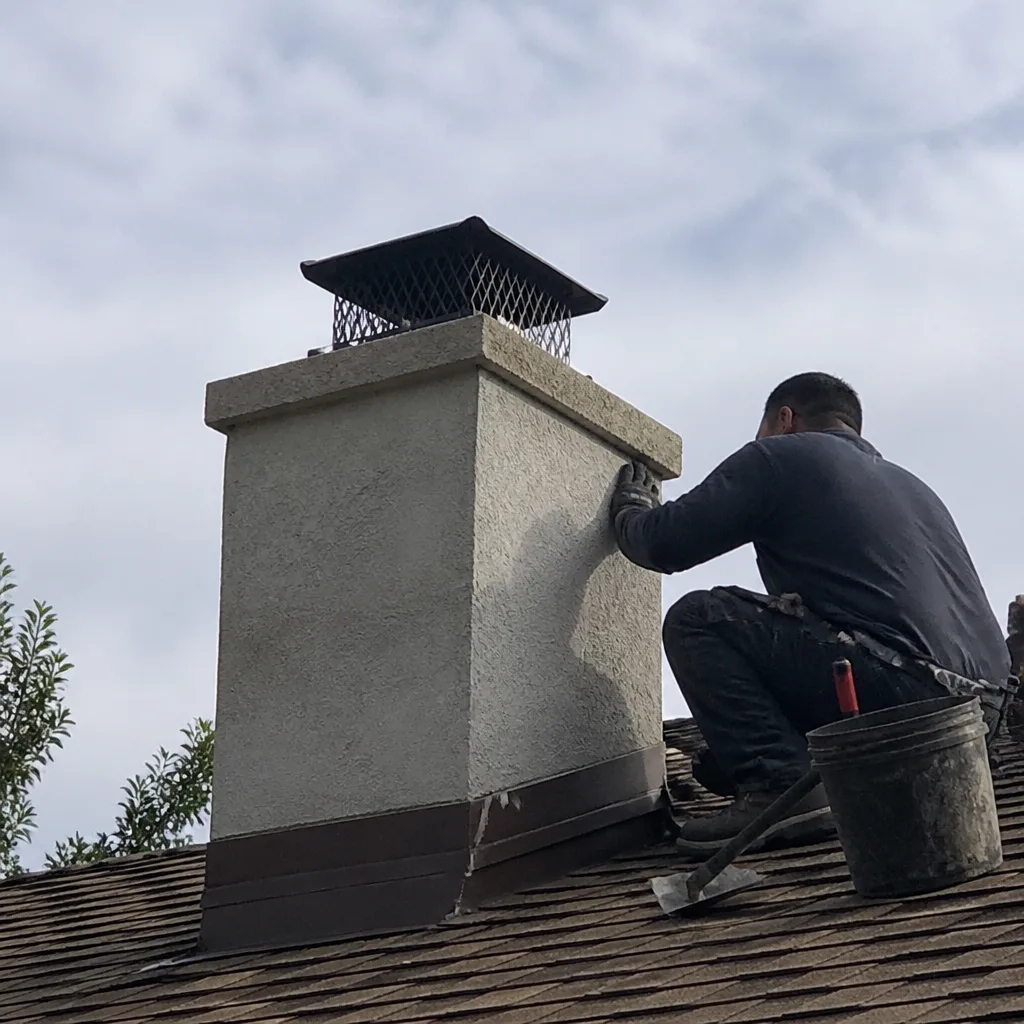 After
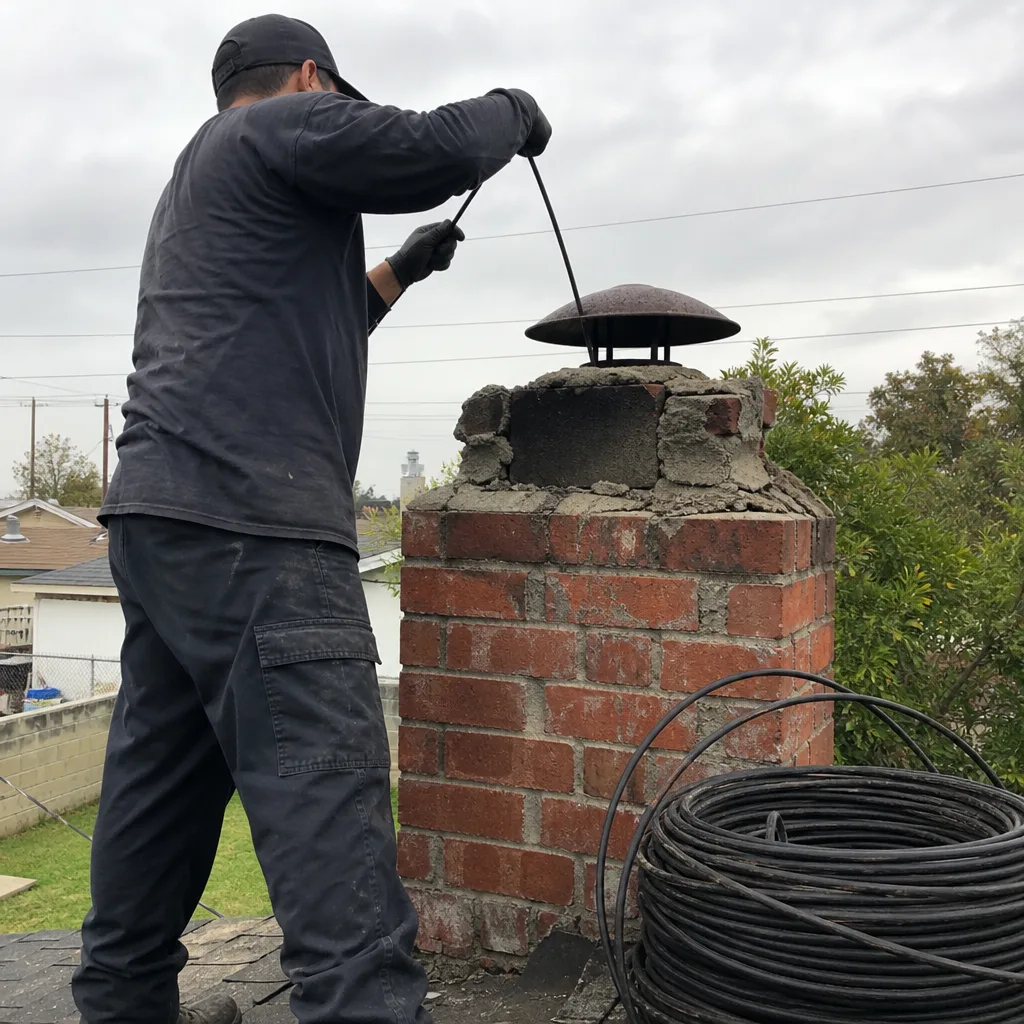 Before
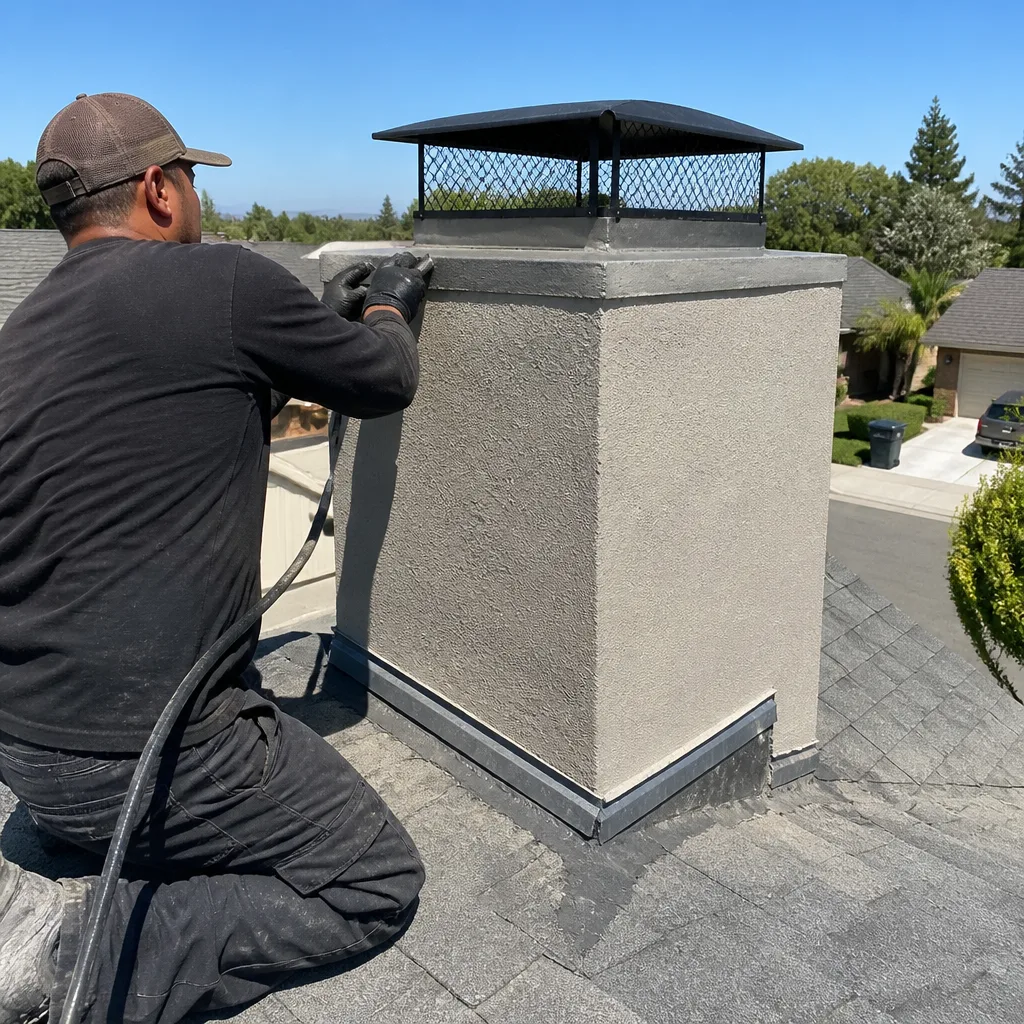 After
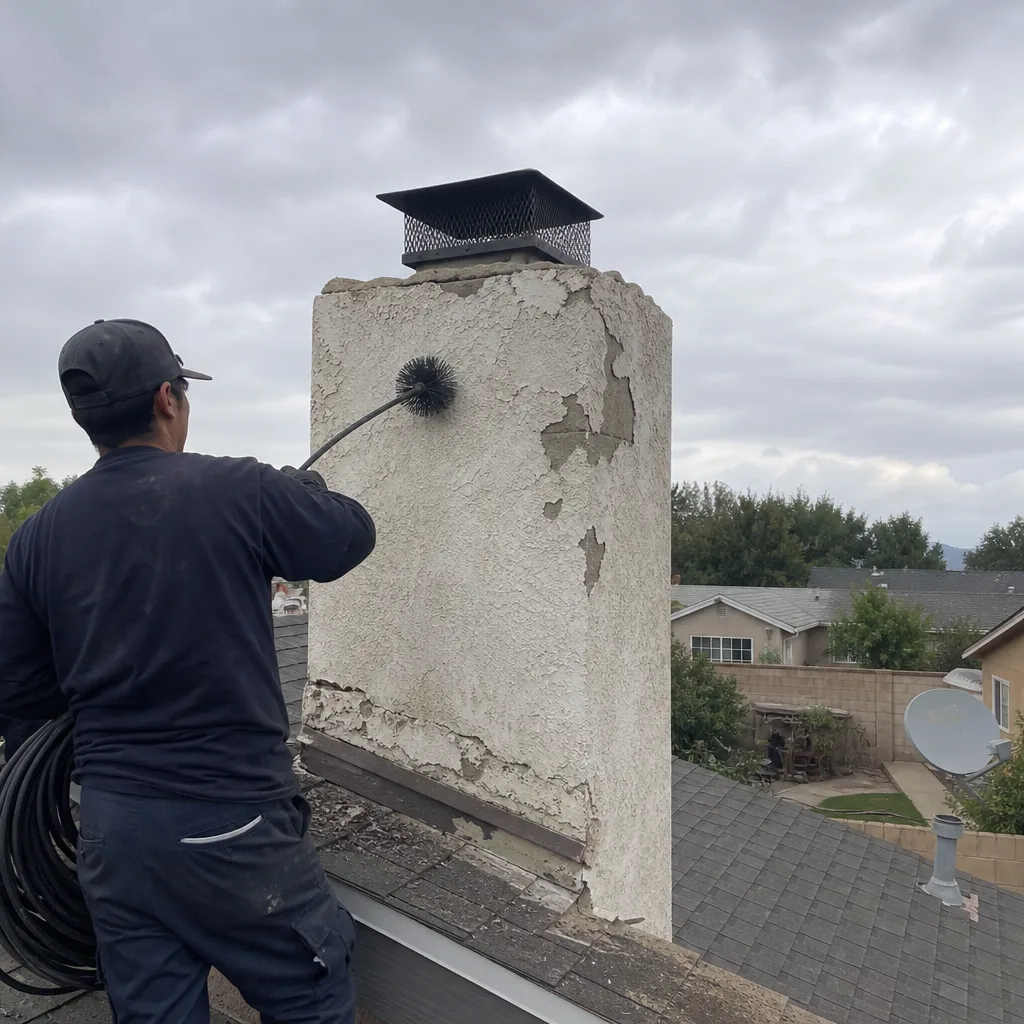 Before
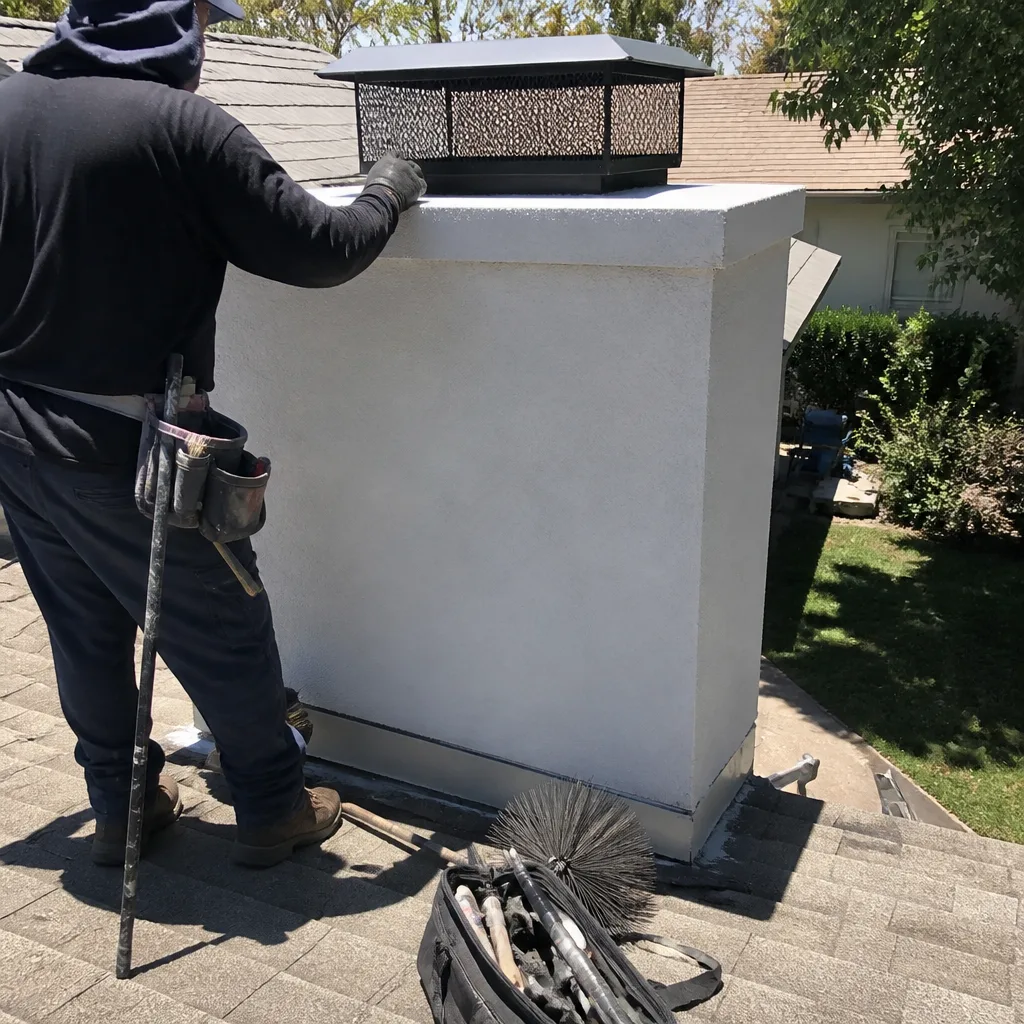 After