
Last updated October 31, 2026
 Sweep & inspection
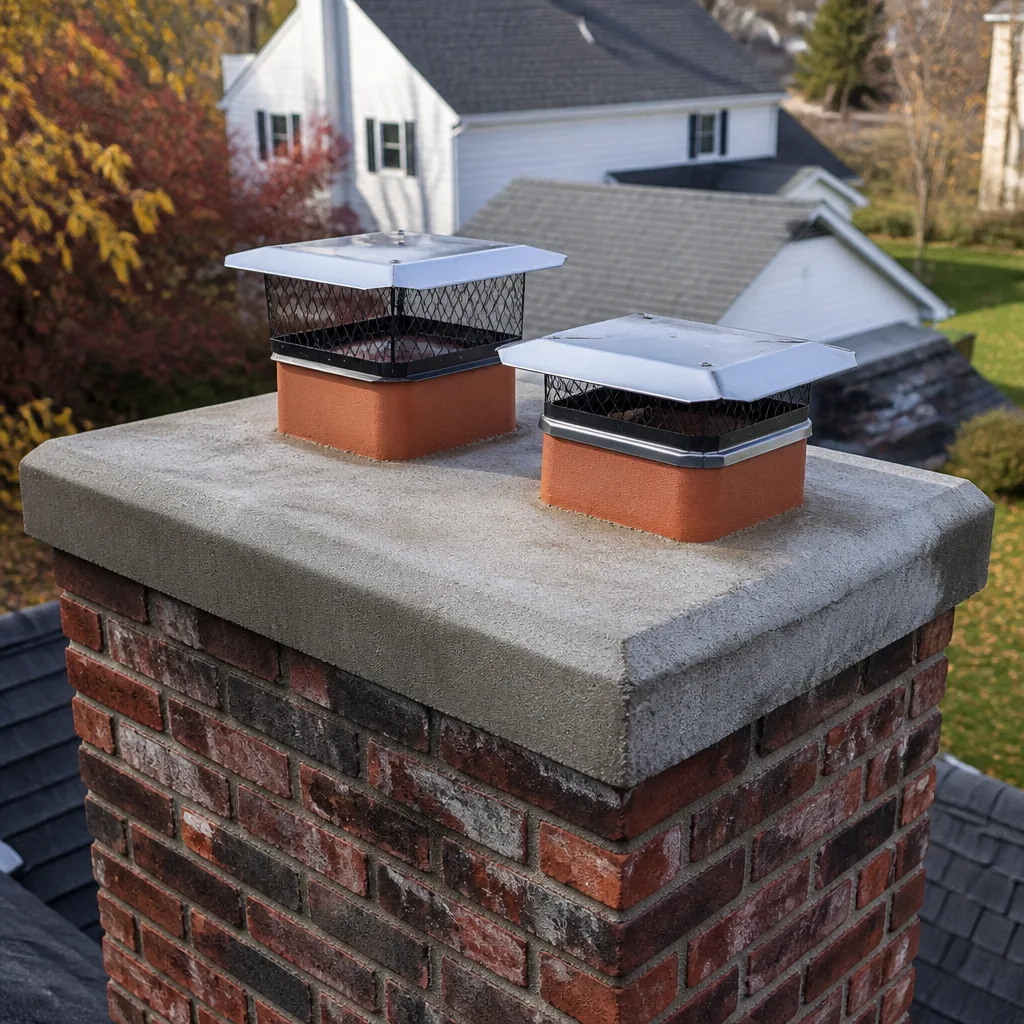
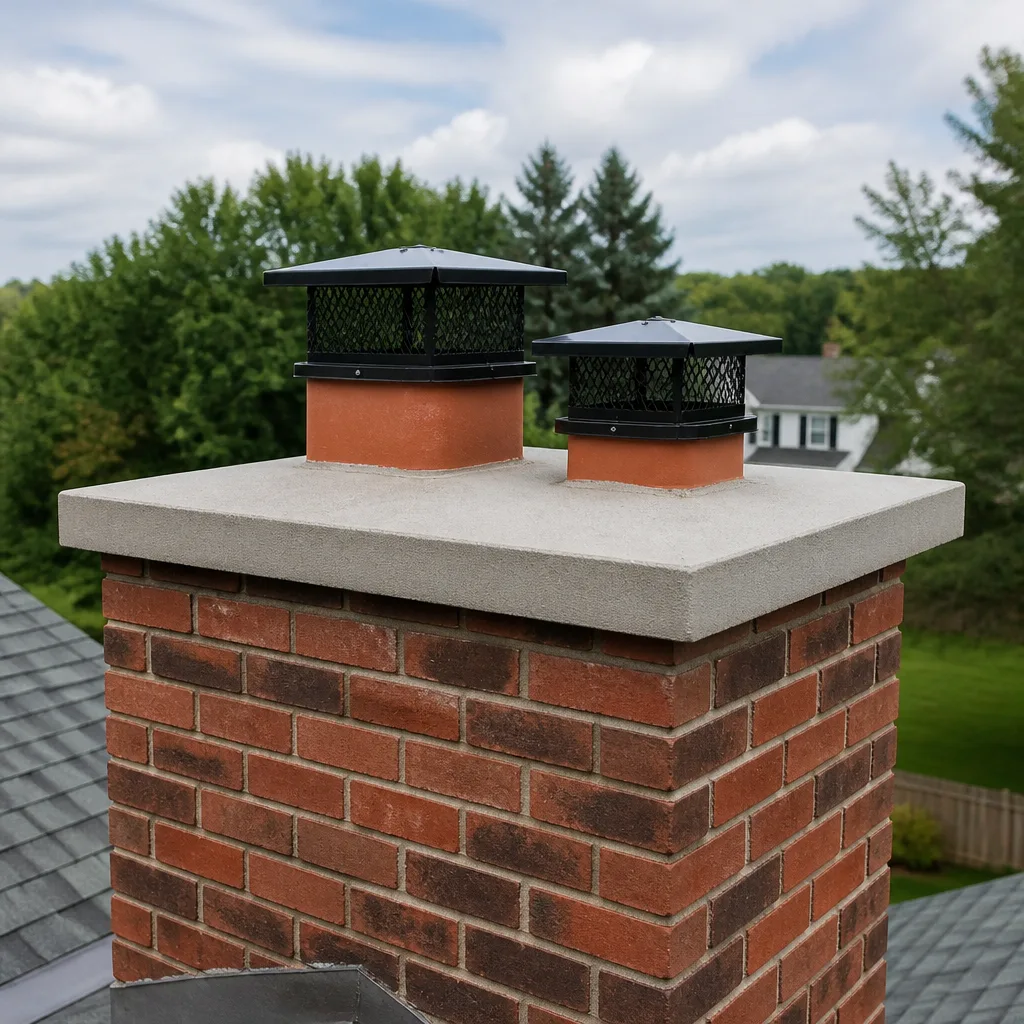 Caps & crowns
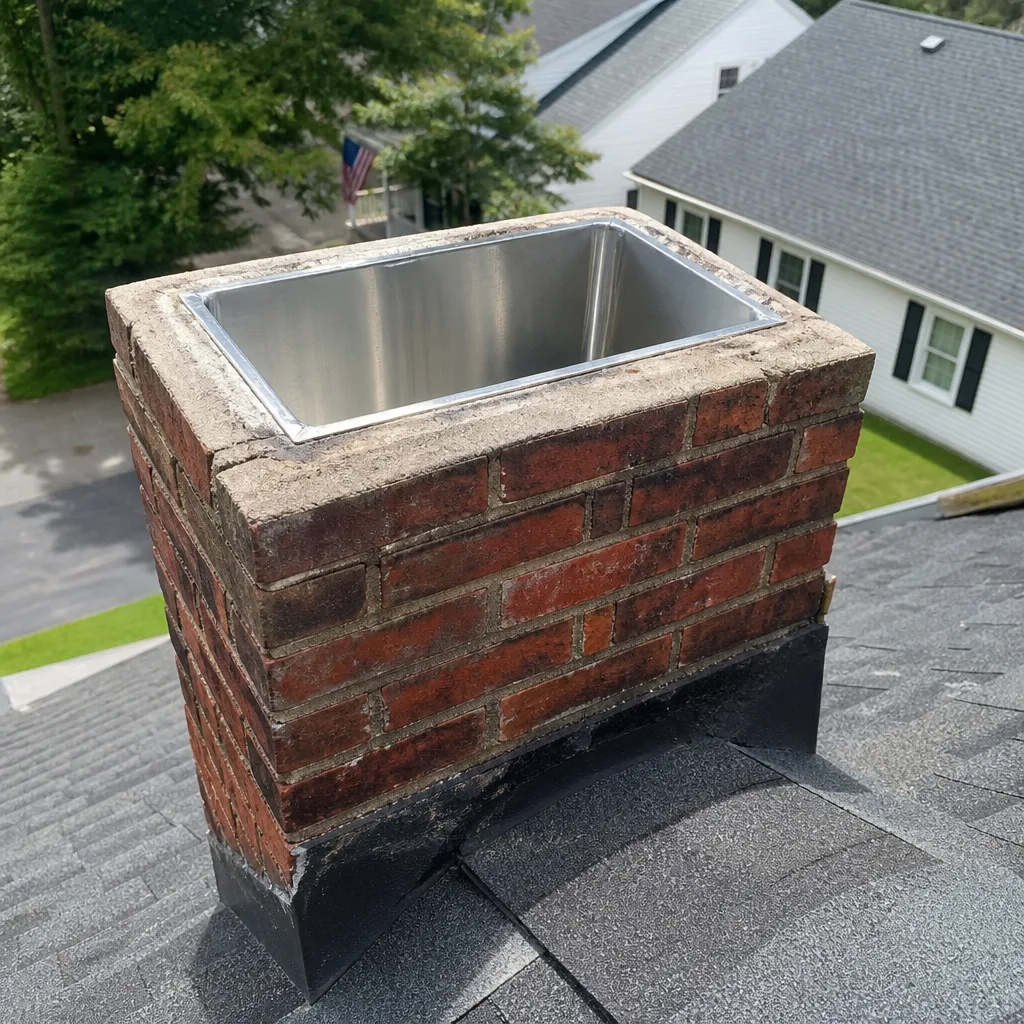 Flue relining
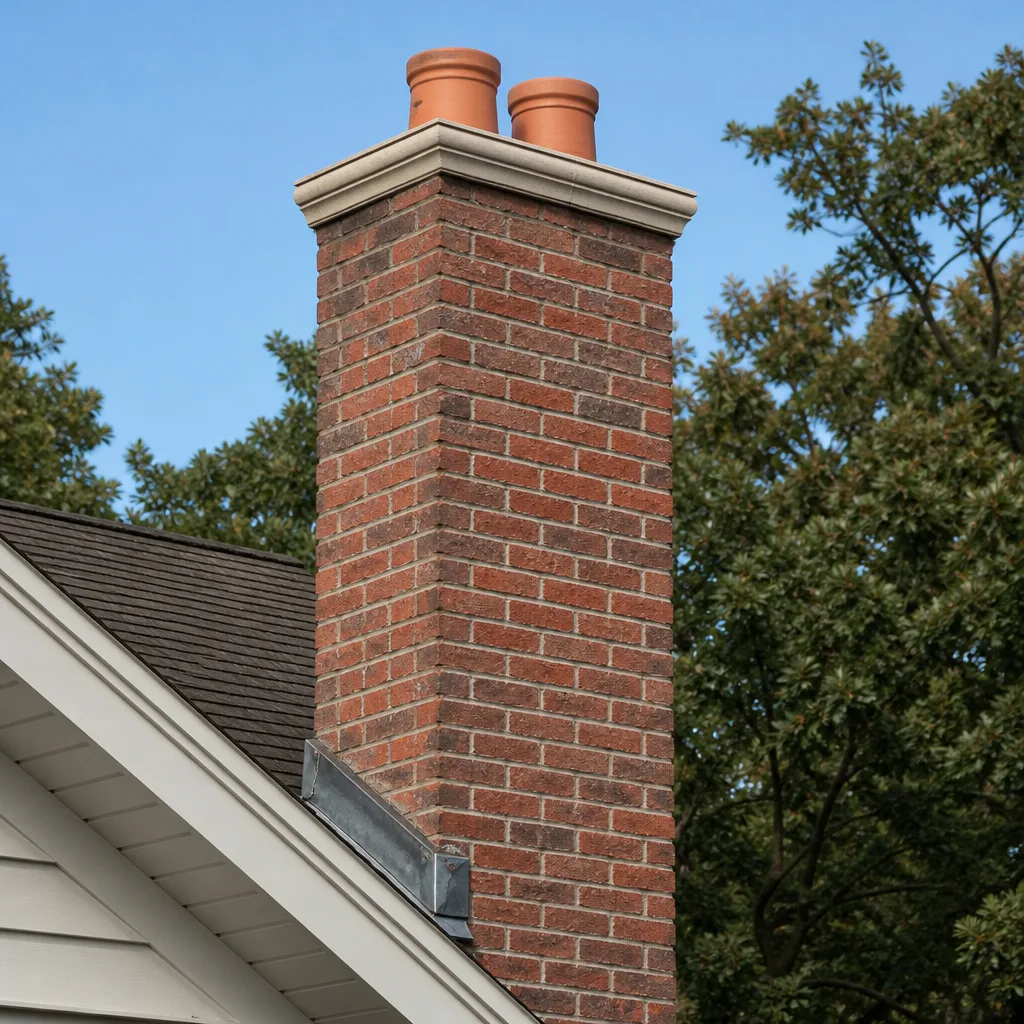 Masonry repair
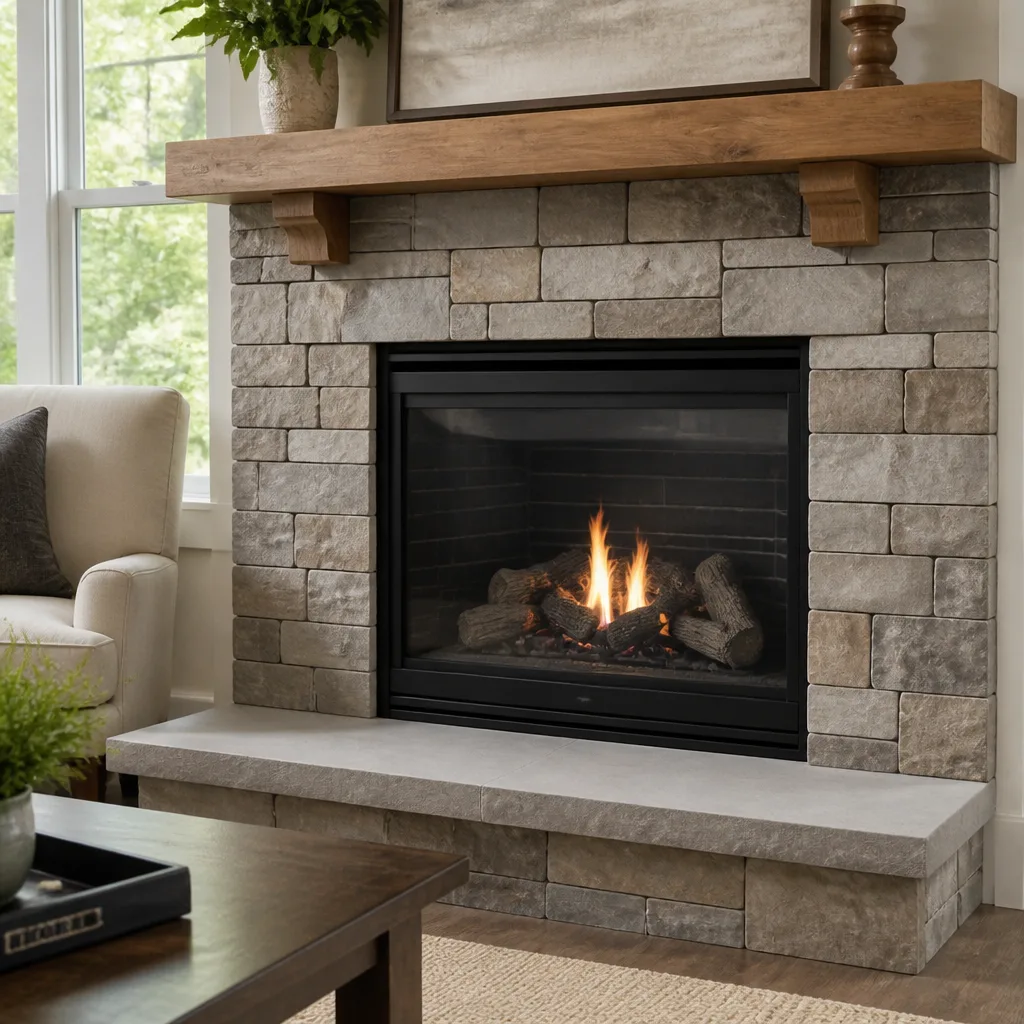 Gas fireplace service
Level 1 sweep and inspection to the NFPA 211 annual standard - flue, crown, cap, and flashing checked and photographed
Chimney sweep logs do not sweep chimneys. They loosen some creosote - which then falls where a brush and vacuum still have to collect it.
The Complete Guide to Chimney Cleaning in El Monte
Most of the chimneys standing in El Monte today were built between 1945 and 1975, decades before modern flue-sizing standards and high-efficiency appliance codes existed. That matters more than most homeowners realize. A mid-century masonry flue, with its larger clay tile dimensions and single-wall construction, behaves completely differently from the factory-built systems you’ll find on newer homes. The result: creosote accumulates in patterns and at rates that generic cleaning guides never mention. This guide maps the actual cleaning process to the specific chimney types you’ll find on El Monte streets, so you understand what your system needs, what a proper sweep involves, and when a cleaning is enough versus when you need a closer look at the flue itself. For related guidance, see our DIY vs Professional Chimney Cleaning: The El Monte Homeowner’s Decision Guide.
Styles & brands we work with
Quick Answer
Chimney cleaning in El Monte typically costs between $189 and $325 for a standard Level 1 sweep and inspection, depending on flue condition, chimney height, and whether the system has been recently maintained. Most wood-burning fireplaces in El Monte’s older housing stock need a professional cleaning every 40 to 60 burns, or at minimum once per year, because mid-century masonry flues accumulate Stage 2 creosote faster than newer factory-built systems. If you haven’t had your chimney swept in over two years, book a Level 2 inspection alongside the cleaning.
Table of Contents
- Why El Monte’s Housing Stock Changes the Cleaning Equation
- Level 1 vs. Level 2 Inspections: What El Monte’s Older Homes Usually Need
- What a Complete Cleaning Actually Involves, Start to Finish
- Creosote Stages: What Builds Up and When to Worry
- How Southern California’s Mild Winters Create a False Sense of Safety
- How to Read Your Sweep’s Report Like a Pro
- When Cleaning Isn’t Enough: Signs Your Flue Needs Repair
- Common Mistakes to Avoid
- When to Call a Professional
- Frequently Asked Questions
- The Bottom Line
Why El Monte’s Housing Stock Changes the Cleaning Equation
El Monte’s residential landscape is dominated by ranches, bungalows, and compact two-story homes built between the late 1940s and the early 1970s. These homes were constructed during a building boom when masonry fireplaces were standard features, not upgrades. The typical chimney on these properties is a true masonry structure: brick exterior, clay tile flue liner, and a mortar crown at the top. And here’s what most guides miss: those clay tile liners were oversized by modern standards.
Pre-1980 fireplaces were often built with flues sized for open hearths that vented more volume than needed. When you burn a fire in an oversized flue, the smoke moves slower, cools faster, and deposits more creosote on the tile walls before it exits the chimney. This isn’t a defect, it’s just how these systems were designed. But it does mean the cleaning cycle is different from a modern, properly sized flue. El Monte homeowners should expect more frequent sweeping than someone in a newer development with a factory-built metal chimney.
The second El Monte-specific factor is moisture. The city sits in the San Gabriel Valley’s semi-arid climate, but winter rain events and morning marine-layer fog still work their way into aging mortar joints. Hairline cracks in the crown or between bricks let moisture into the masonry, and when that moisture meets creosote, you get an acidic paste that accelerates flue deterioration. A chimney that gets swept regularly handles these conditions fine. A chimney that goes years between cleanings doesn’t.
The practical takeaway: if your El Monte home was built before 1980 and you burn wood, plan on a professional sweep at least once per year, regardless of how many fires you’ve had. For seasonal maintenance tips, read our Seasonal Chimney Cleaning Care for El Monte: Year-Round Homeowner’s Guide. The flue physics in these older systems are simply less forgiving than newer construction.
Level 1 vs. Level 2 Inspections: What El Monte’s Older Homes Usually Need
The chimney industry recognizes three inspection levels defined by the National Fire Protection Association. Here’s what each one actually involves, and which applies to your home.
Level 1 Inspection: This is the standard inspection paired with a routine cleaning. The sweep examines the readily accessible portions of the chimney: the firebox, the flue interior (from above or below using a light), the damper, the crown, and the exterior brickwork. No special equipment is used, and the inspection assumes the chimney has been serviced regularly and nothing has changed since the last sweep. Level 1 is appropriate when you’re maintaining an existing system that’s in known good condition.
Level 2 Inspection: This is a deeper look using a video camera run through the flue. A Level 2 gets specified when the home is being sold or transferred, when a new appliance is installed, after a chimney fire, after an earthquake, or when there’s been a suspected problem like water intrusion or spalling brick. The camera reveals what a flashlight can’t: hidden cracks in the clay tile, gaps in the mortar joints between tiles, or animal nesting material packed into the flue’s interior.
For El Monte homeowners, here’s the honest guidance: if your home is pre-1980 and you can’t remember the last time a camera was run through the flue, you should get a Level 2 inspection at your next cleaning. Not because your chimney is necessarily failing, but because it’s been through decades of use, several Whittier Fault tremors, and more moisture cycles than anyone can count. The camera footage tells you in 20 minutes whether the flue is intact or whether you’re burning into a system with hidden cracks. A repair identified early is almost always cheaper than a repair identified after a chimney fire.
What a Complete Cleaning Actually Involves, Start to Finish
A proper chimney cleaning is a methodical process, not a quick brush-up. Here’s what a complete sweep from Sherwood Chimney Sweep includes, step by step, so you know exactly what you’re paying for.
- Site protection and setup: The work area around the fireplace gets covered with drop cloths. A high-volume HEPA vacuum runs during the entire cleaning to keep dust and soot from entering your living space. This isn’t optional equipment – it’s the difference between a clean sweep and a dusty living room.
- Exterior inspection: Before anything gets cleaned, the sweep walks the roof or sets up a ladder to check the crown, the brickwork, and the chimney cap. Cracks in the crown, missing mortar joints, or a deteriorated cap get documented before the cleaning starts.
- Mechanical flue brushing: A stiff polypropylene or wire brush sized to your flue’s dimensions gets run through the flue from either the top or bottom, depending on chimney height and roof access. In El Monte’s older homes, this is usually a clay tile flue that requires careful brush sizing: too small a brush misses the creosote, too large can damage aging tile.
- Creosote removal and vacuuming: The loosened creosote falls into the firebox, where it’s removed by the vacuum. Stubborn Stage 2 or Stage 3 glazed creosote may require chemical treatment or rotary cleaning tools. A hand brush alone won’t remove hardened glaze.
- Firebox and damper cleaning: The firebox walls get scraped and vacuumed. The damper assembly gets checked for warping, rust, and proper operation. A damper that won’t fully open or close affects draw and safety.
- Smoke shelf and smoke chamber access: This is the area most DIY cleaning misses completely. The smoke shelf collects debris, and the smoke chamber walls in older masonry chimneys are often corbeled brick without a smooth parged surface, which means they hold creosote in every ridge and gap.
- Post-sweep inspection and report: After cleaning, the sweep evaluates the flue’s condition and gives you a written or verbal report. This is when findings get discussed: any cracks, water stains, animal evidence, or excessive creosote accumulation that suggests a problem beyond routine maintenance.
Total time for a standard level 1 cleaning on a single-flue El Monte home is typically 60 to 90 minutes. If a camera inspection gets added, expect another 20 to 30 minutes. The report you receive at the end matters more than the cleaning itself in many cases, because that’s where problems get caught before they become expensive.
Creosote Stages: What Builds Up and When to Worry
Creosote isn’t a single substance. It forms in three distinct stages, each with different cleaning implications.
Stage 1: Flaky soot. This is the light, powdery or flaky residue that forms during complete, hot combustion. It’s the easiest to remove and the least dangerous. A standard brushing handles Stage 1 without difficulty. Most chimneys that get swept regularly never move past this stage.
Stage 2: Tar-like glaze. This is what you get when combustion is incomplete: the smoke cools too quickly in the flue and condenses into a sticky, tar-like layer. Mid-century masonry flues in El Monte are especially prone to Stage 2 buildup because their oversized dimensions slow the smoke and cool it faster than modern flues do. Stage 2 creosote requires more aggressive removal: rotary loops, chemical treatments, or both. A hand brush won’t get it all out.
Stage 3: Hardened glaze. This is the dangerous stage. Stage 3 creosote has baked onto the flue walls into a hard, shiny substance that’s extremely flammable and nearly impossible to remove with mechanical brushing alone. In some cases, the most practical solution is chemical descaling followed by a resurfacing treatment like HeatShield, which seals the flue interior after the glaze is removed. If a sweep tells you your chimney has Stage 3 creosote, the conversation has moved from cleaning to restoration.
Here’s the El Monte-specific pattern we’ve seen repeatedly: homes that burn occasional fires through the winter, perhaps 15 to 25 fires per season, never build enough heat in the flue to burn off early creosote. Every fire adds a thin layer. Over three or four years, those thin layers become Stage 2 accumulation. Regular cleaning interrupts this cycle. Ignoring it means eventually paying for a restoration that could have been avoided.
How Southern California’s Mild Winters Create a False Sense of Safety
Homeowners in Minnesota or Michigan know their chimneys need attention. They burn daily for six months straight, the flue gets heavy use, and the creosote buildup is obvious. El Monte is different. Our burning season is short, maybe three or four months of occasional evening fires, and the mild weather makes it easy to assume the chimney isn’t working hard enough to need cleaning.
That assumption is wrong, and here’s why. Infrequent burning concentrates the creosote problem in a different way. When you burn only 15 to 20 fires a year, the flue never gets hot enough to decompose early-stage creosote deposits. Each cold fire leaves a residue layer that the next fire doesn’t burn away. In heavy-use chimneys, daily burns often dry and flake off early creosote before it accumulates. In light-use chimneys, every layer stays. The result is that an El Monte chimney that sees 20 fires per year can have proportionally more creosote than a Minneapolis chimney that sees 150.
There’s also the moisture factor. Our winter rain and morning fog introduce moisture into chimneys that sit cold most of the year. That moisture interacts with creosote to create acidic compounds that corrode masonry and mortar. A chimney that gets swept and inspected regularly resists this. A chimney that gets ignored through years of occasional burning and seasonal moisture gets progressively worse in ways that aren’t visible from the ground.
The practical guidance: don’t judge your chimney’s need for cleaning by how often you burn. Judge it by time. Annual is the minimum for any wood-burning chimney, regardless of use level. If you burn more than 40 fires per year, consider a mid-season sweep as well.
How to Read Your Sweep’s Report Like a Pro
After your cleaning, you should walk away with a clear understanding of what the sweep found. Here’s how to interpret the common findings.
“Normal creosote accumulation, flue is in good condition.” This is the outcome you want. The flue was dirty but structurally sound, and regular cleaning is sufficient. Schedule next year’s sweep and move on.
“Stage 2 creosote removed; recommend chemical treatment at next visit.” The flue had tar-like buildup that required more than standard brushing. The sweep removed it, but early-stage tar tends to return if the burning habits don’t change. A chemical treatment at the next cleaning helps prevent recurrence.
“Hairline crack in the crown; recommend sealing.” Cracks in the concrete crown at the top of the chimney let water into the masonry. Small cracks get sealed with an elastomeric crown coat. Ignored, they widen, and the repair cost escalates.
“Spalling in the smoke chamber.” Spalling is brick deterioration, usually from moisture exposure. In El Monte’s older chimneys, spalling in the smoke chamber is a common finding. The fix is usually parging (applying a smooth mortar coating) or, in more advanced cases, a resurfacing treatment. This is a repair, not a cleaning issue, and it should be scheduled before the next burn season.
“Camera inspection recommended.” If the sweep sees something that warrants a closer look – water staining, suspected flue damage, unexplained smoke issues – they’ll recommend a Level 2 camera inspection. This is not an upsell. It’s the only way to see the flue’s interior in detail, and the footage gets shown to you directly. Nothing gets recommended without visual evidence you can see for yourself.
The report isn’t just paperwork. It’s the difference between knowing your chimney’s condition and guessing. Keep records from year to year. They tell a story about how your system is aging and what maintenance cycle actually works for your home.
When Cleaning Isn’t Enough: Signs Your Flue Needs Repair
A sweep removes creosote. It doesn’t repair structural damage. Sometimes a cleaning reveals problems that need a different kind of response. Here are the signs that your system has moved beyond routine maintenance.
Visible cracks in the brickwork or mortar joints. Walk around your chimney from the ground. If you see gaps in the mortar or bricks that are cracked, flaking, or misaligned, you’re looking at water intrusion and possible structural weakening. This is repairable with tuckpointing and crown work, but it doesn’t resolve itself.
Water stains on the ceiling near the chimney. This is often the first visible sign of a leaking crown or flashing failure. By the time water shows up inside, the exterior damage has been underway for months. The chimney needs repair before it needs another cleaning.
Smoke backing up into the room. A properly functioning chimney draws smoke up and out. Smoke in the living space means something is interfering with the draw: a clogged flue, a too-cold flue, an improperly sized fireplace opening, or negative air pressure in the house. If a cleaning doesn’t solve it, the problem is structural or airflow-related, and it needs diagnosis.
Odor when the fireplace isn’t in use. A stale, smoky smell from the fireplace in summer is usually creosote off-gassing combined with humidity. Regular cleaning reduces it. If the odor persists after cleaning, the creosote may have penetrated porous masonry, and a resurfacing treatment like HeatShield can seal it.
The flue tile is cracked, from the camera footage. This is the definitive finding. A cracked clay tile flue can allow heat and combustion gases to reach the surrounding masonry, and eventually the home’s framing. The fix is a liner: a flexible stainless system like DuraFlex installed inside the existing flue. This restores the chimney to safe operation without a full tear-out.
Our position on this is direct: if the camera shows a damaged flue, get it addressed. Nothing we recommend gets quoted without footage you’ve seen yourself. And if a repair can wait a season, we’ll tell you that too.
Common Mistakes to Avoid
- Skipping annual cleaning because “we barely use the fireplace.” Light use in El Monte’s older flues creates concentrated creosote, not reduced creosote. The time-based maintenance schedule is what keeps Stage 2 from forming.
- Hiring a handyman or generalist for a chimney job. Chimney work sits at the intersection of fire safety and building science. A generalist who also does chimneys won’t have the specialized brushes, camera equipment, or technical knowledge to properly evaluate a mid-century masonry flue.
- Accepting a quote over the phone without a visual inspection. Any sweep who quotes a fixed price without looking at your chimney is guessing. El Monte’s older homes vary wildly in flue condition, roof access, and internal dimensions. A legitimate quote requires seeing the system.
- Ignoring the report after a “successful” cleaning. The cleaning removes creosote, but the report tells you what’s coming. Findings like crown cracks or early spalling are cheaper to fix now than after another year of moisture exposure.
- Burning unseasoned wood because “it’s just a quick fire.” Green wood produces more smoke and more creosote per fire than seasoned hardwood. In El Monte’s oversized older flues, that extra smoke cools and deposits even faster. Burn wood that’s been split and dried for at least six months.
- Treating a gas log set as a no-maintenance appliance. Gas fireplaces still deposit soot on the flue walls over time, and the venting system still needs inspection. Annual service is less involved than a wood-burning system, but it’s not optional.
- Assuming the dryer vent and the chimney are unrelated. They’re both fire-prevention systems that expel combustion byproducts. If you’re having the chimney swept, having the dryer vent done at the same visit is convenient and catches a second potential fire hazard.
When to Call a Professional
Chimney cleaning is not a DIY project, and this isn’t gatekeeping. A stiff brush and a YouTube video won’t remove Stage 2 creosote from a mid-century clay flue, won’t reveal hidden flue damage, and won’t assess the structural condition of your crown and brickwork. Call a professional when the chimney hasn’t been swept in over a year, when you’ve had a chimney fire, when you’re buying or selling a home in El Monte, when the fireplace smells or smokes, or when you simply don’t know the last time the system was inspected. Not sure who to call? Read our How to Hire a Chimney Cleaning Contractor in El Monte: A Step-by-Step Guide. The difference between a clean flue and a safe flue is the inspection that accompanies the cleaning. Sherwood Chimney Sweep offers free estimates in El Monte – call (833) 589-8498 to schedule a sweep or discuss what you’re seeing.
Frequently Asked Questions
Chimney cleaning in El Monte typically costs between $189 and $325 for a standard Level 1 sweep and inspection. Factors that affect the price include chimney height, roof access difficulty, flue condition, and whether Stage 2 or Stage 3 creosote requires additional treatment. Adding a camera inspection runs higher. Call (833) 589-8498 for an exact quote – estimates are free and based on a visual assessment of your chimney.
At minimum, once per year for any wood-burning fireplace or stove, regardless of how many fires you’ve had. Browse our more guides & resources for additional chimney maintenance advice. El Monte’s older masonry chimneys are prone to Stage 2 creosote accumulation even with light use, so annual is the safe baseline. Homes that burn more than 40 fires per season should consider a mid-season sweep. Gas fireplace systems need annual inspection as well, though the cleaning is typically lighter.
Not necessarily, but you do need to take the finding seriously. A cracked clay tile flue is a safety issue because it can allow heat and gases to escape into the surrounding masonry. If the damage is limited, a resurfacing treatment like HeatShield can restore the flue’s interior without a full liner replacement. If the damage is extensive, a flexible stainless liner from DuraFlex gets installed inside the existing flue. Either way, get the camera footage and make your decision based on what you see.
Creosote accumulates in layers. In El Monte’s older oversized flues, those layers build faster than in modern systems because the smoke cools and condenses more quickly. Stage 1 becomes Stage 2, and eventually Stage 3, a hardened glaze that’s extremely flammable. The result is a chimney fire risk, but also accelerated flue deterioration as creosote interacts with moisture from our winter rains. A chimney fire can crack the flue, and the repair cost is far higher than years of cleanings. Call (833) 589-8498 to get your system checked.
In most cases, yes. The inspection and the cleaning happen in the same visit when you schedule a full service. The sweep evaluates the exterior and interior, performs the cleaning, and then reports on what was found. If a camera inspection gets added, it’s done at the same appointment when time allows. Sherwood Chimney Sweep schedules full service calls in El Monte on a single-visit basis whenever possible.
Dryer vent cleaning is a separate fire-prevention service, not an upsell. Lint buildup in dryer vents is the leading cause of household dryer fires, and it also forces your dryer to work harder and run longer. If you’ve never had your dryer vent cleaned and you’ve lived in your home for more than two years, it’s overdue. Dryer vent cleaning is available alongside chimney service, so both systems get handled in the same visit without hunting down a second contractor.
The Bottom Line
Chimney cleaning in El Monte isn’t a one-size-fits-all service. The city’s mid-century masonry homes have flues that accumulate creosote differently, age differently, and need different inspection protocols than newer construction. Annual cleaning is the floor, not the ceiling, for any wood-burning system. If you have an older home and you’ve never seen camera footage of your flue’s interior, now is the time. A professional sweep removes the creosote, but the inspection tells you what’s coming. And catching a cracked crown early, or a flue starting to spall, is a modest repair instead of a full restoration. The pattern in El Monte is consistent: the homes that get swept annually stay safe for decades. The ones that get ignored eventually need work that affordable maintenance would have prevented.
If you’re ready to schedule, Sherwood Chimney Sweep provides chimney sweeping, dryer vent cleaning, and chimney repair for residential customers throughout El Monte. Call (833) 589-8498 for a free estimate. We work from Sherwood Chimney Sweep home and maintain the same standard across Chimney Sweep in South Pasadena and Chimney Repair in South Pasadena service areas.
Written by the team at Sherwood Chimney Sweep, serving El Monte since 2017.
See the difference
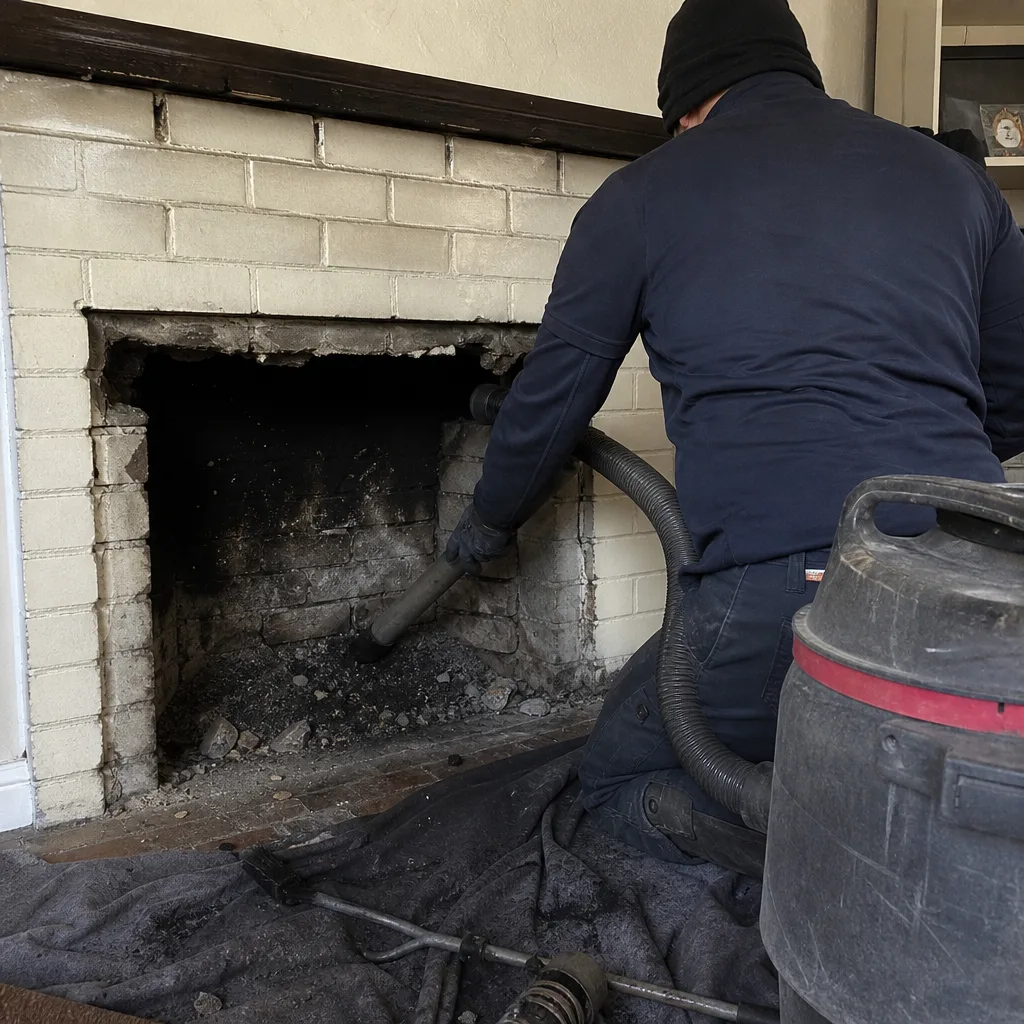 Before
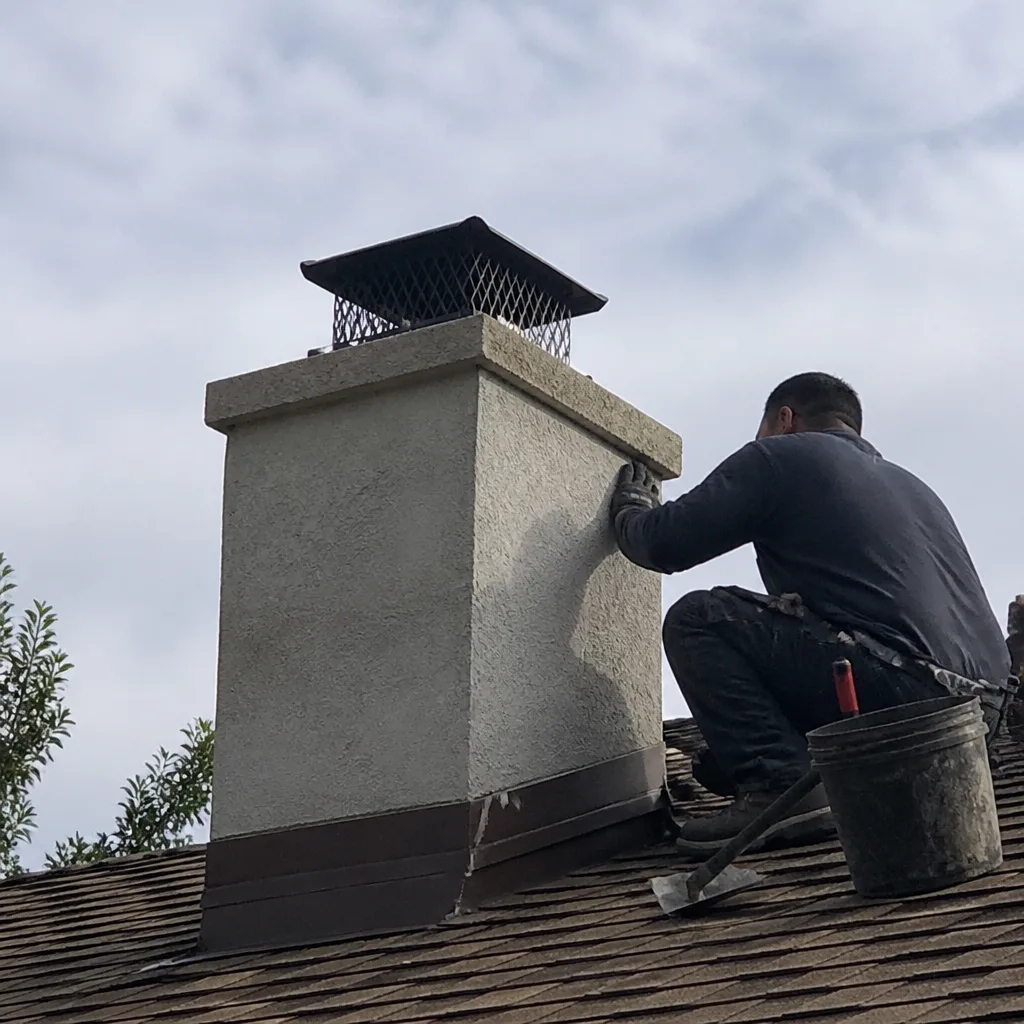 After
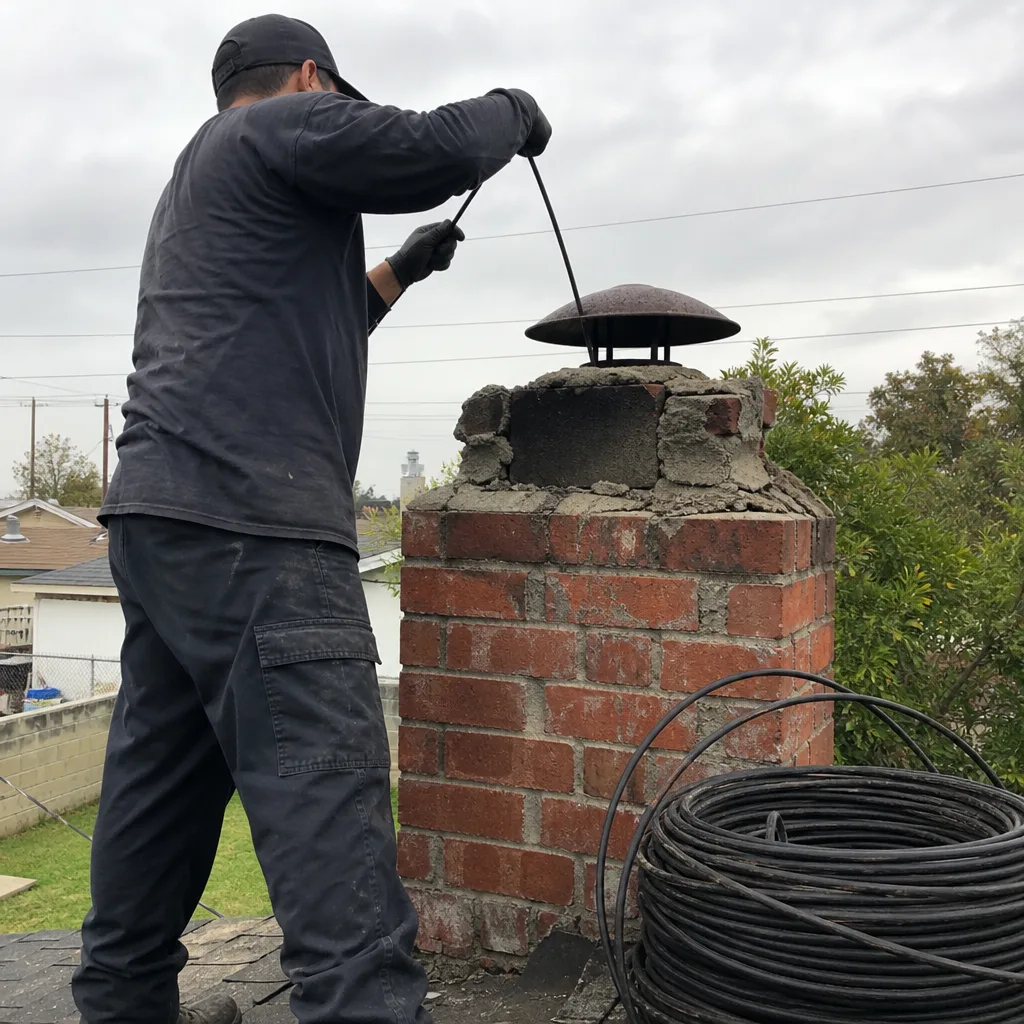 Before
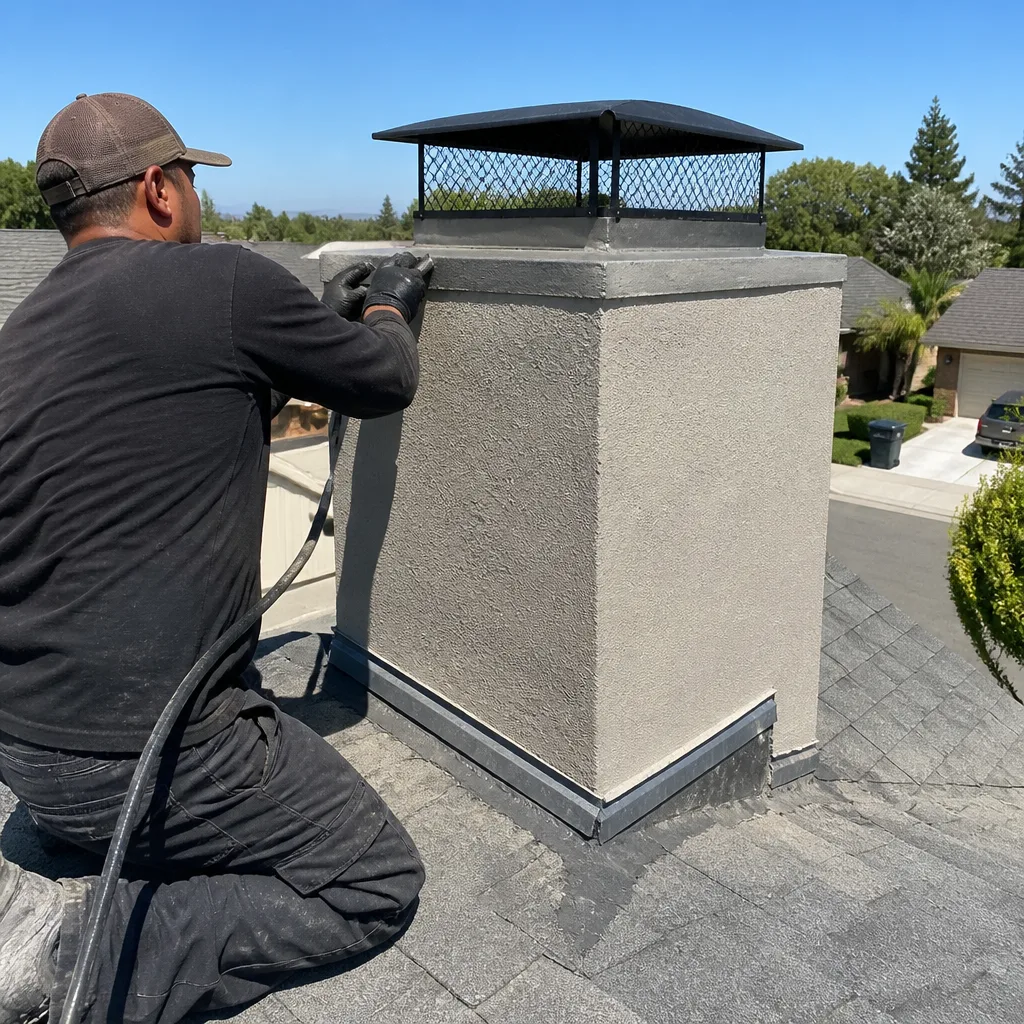 After
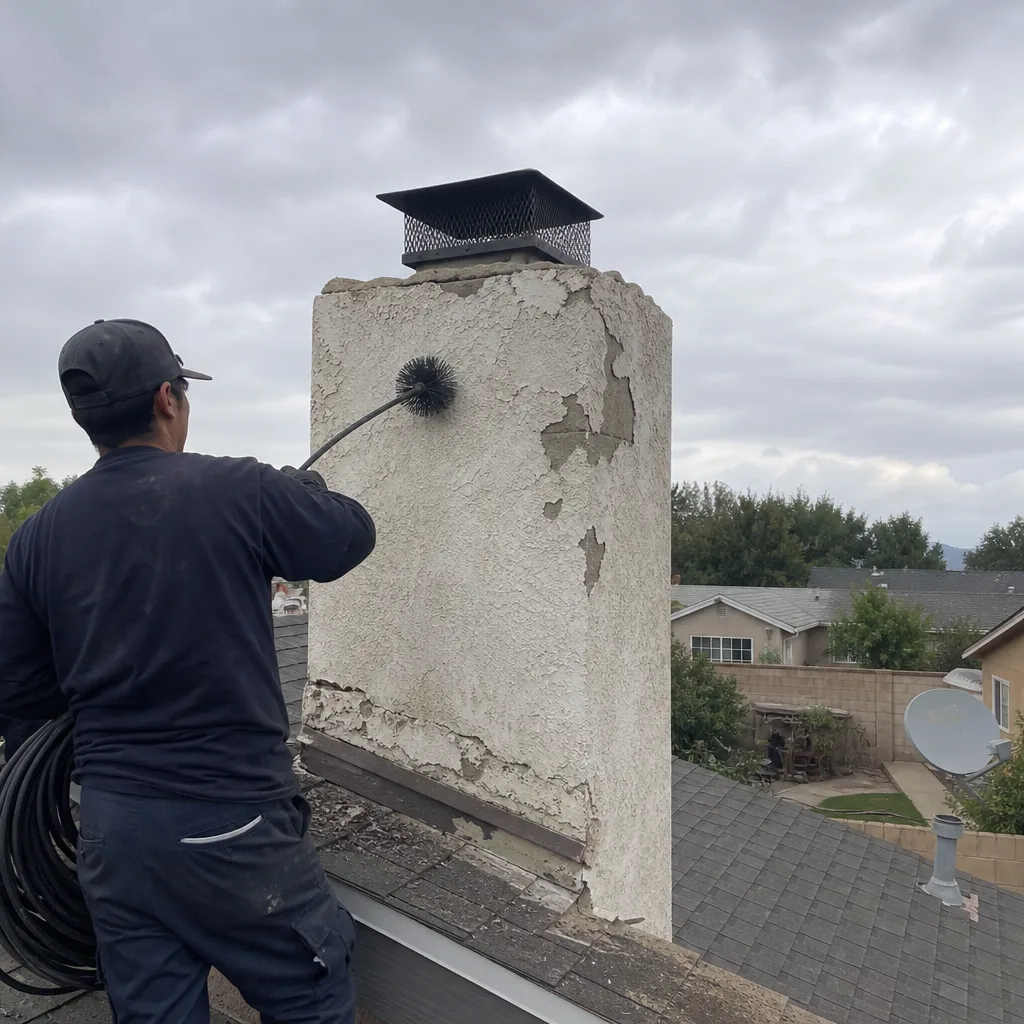 Before
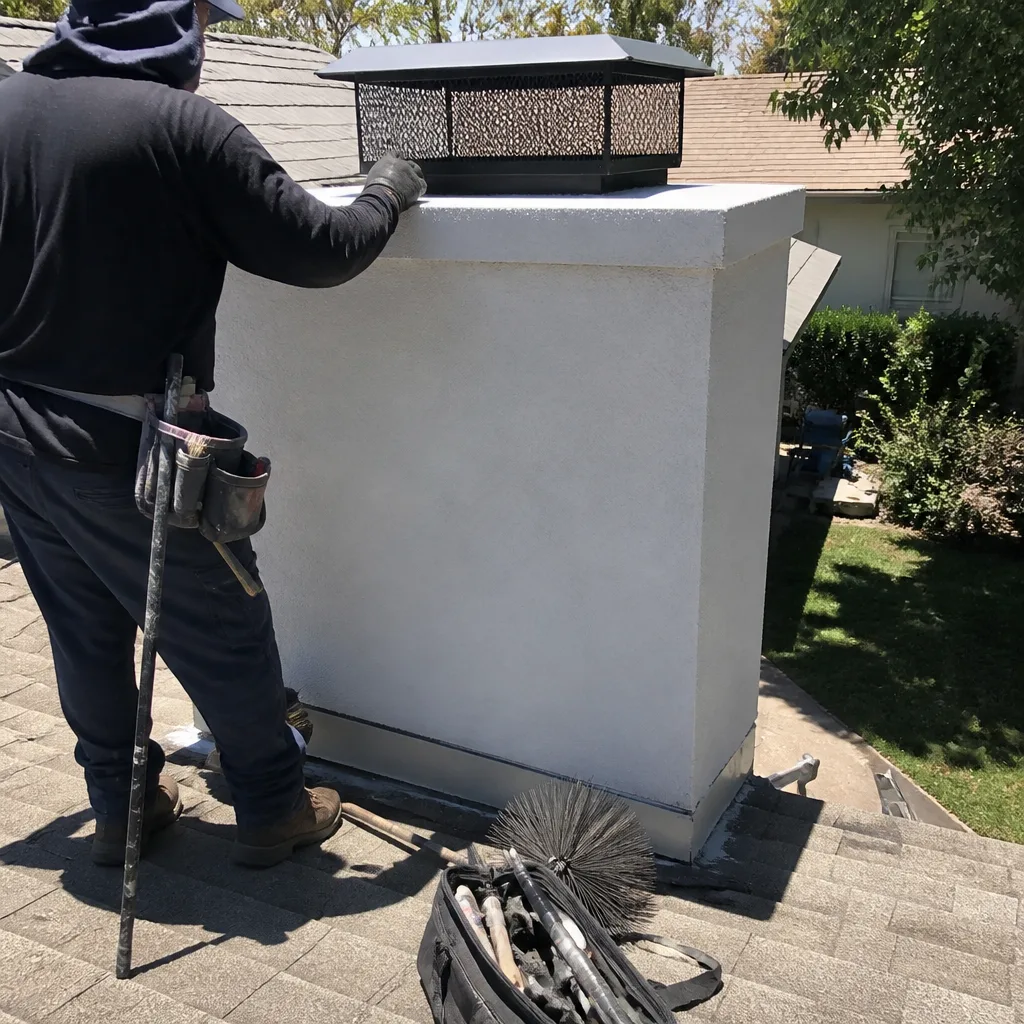 After