
Last updated October 31, 2026
 Sweep & inspection
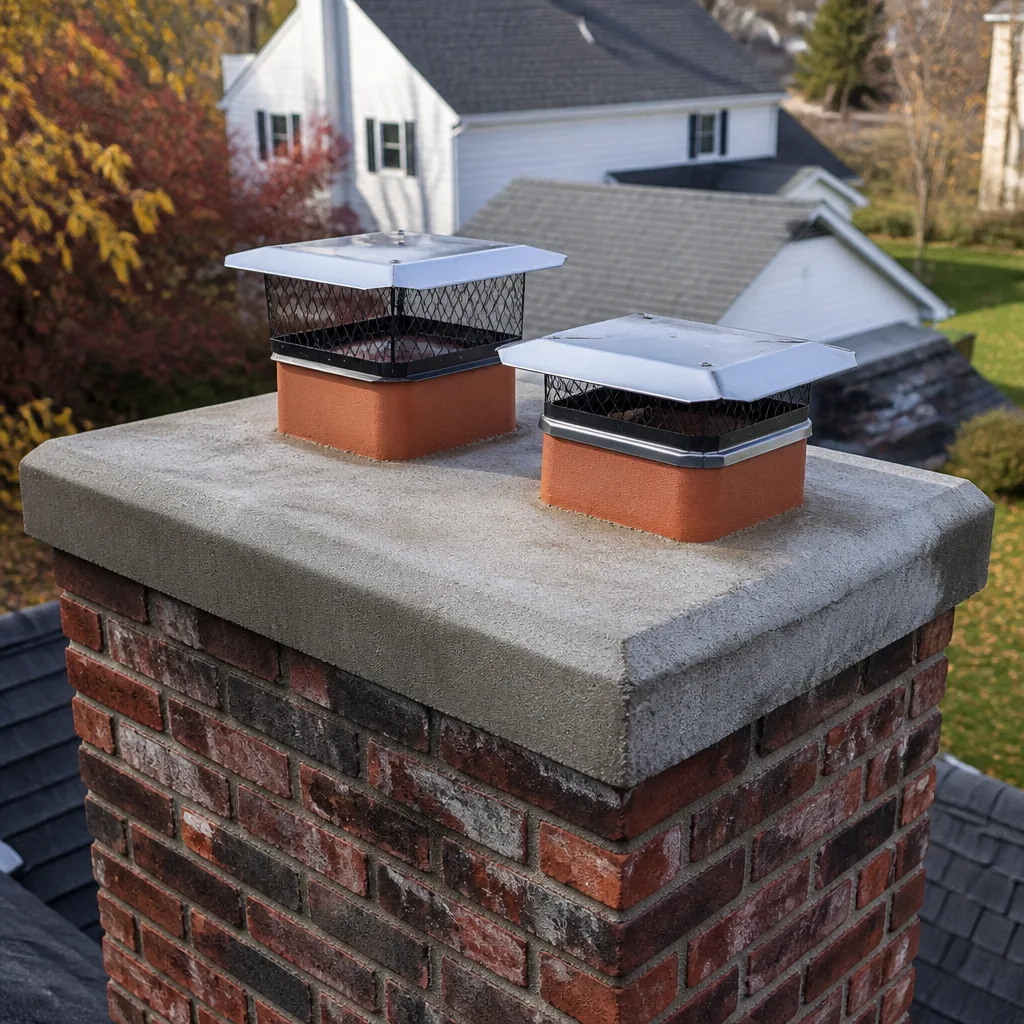
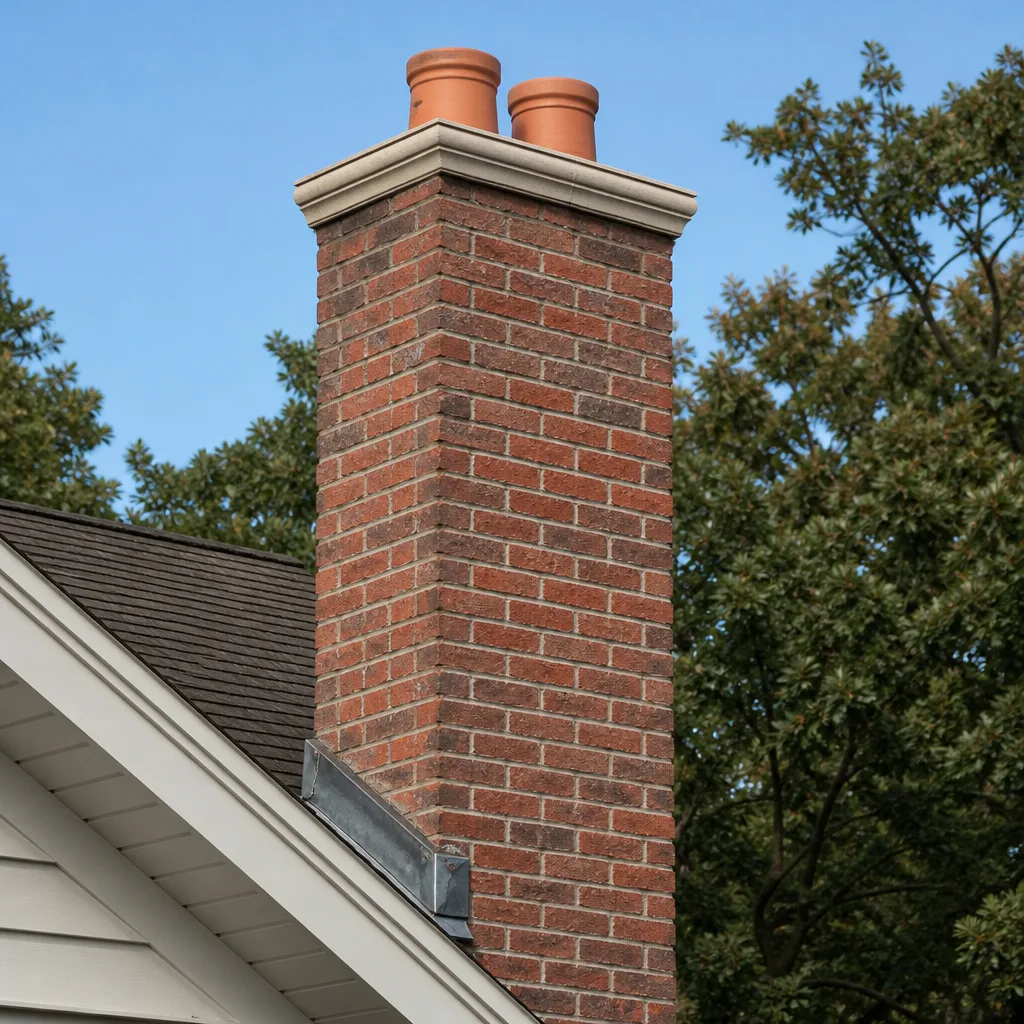
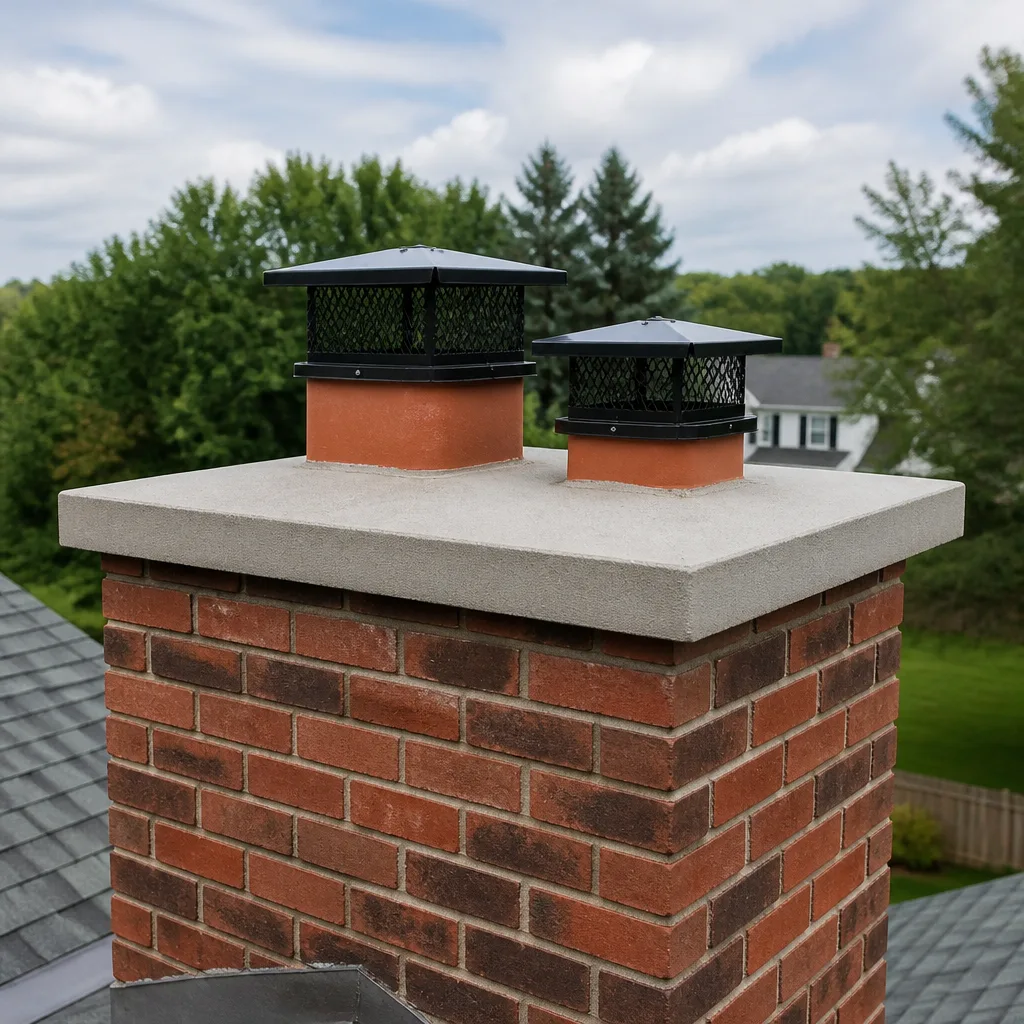 Caps & crowns
 Flue relining
 Masonry repair
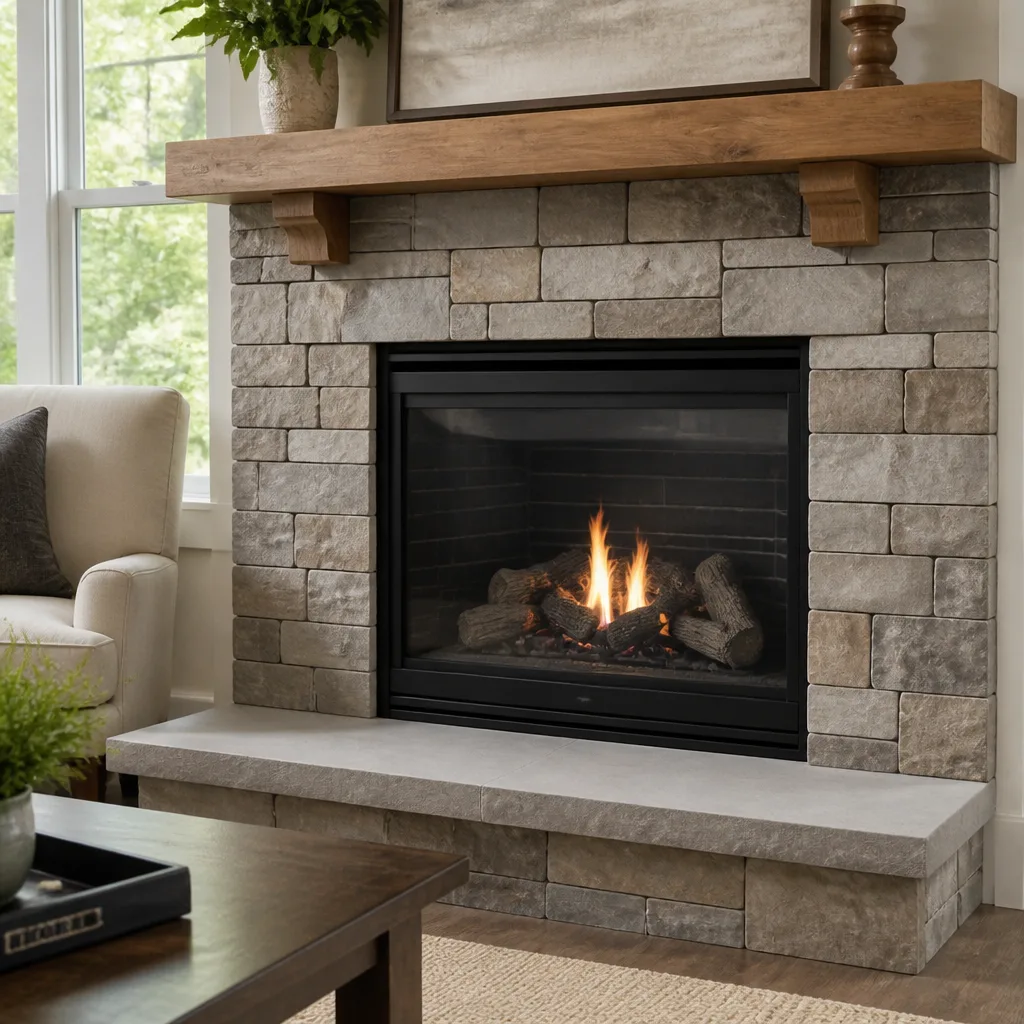 Gas fireplace service
Level 1 sweep and inspection to the NFPA 211 annual standard - flue, crown, cap, and flashing checked and photographed
Chimney sweep logs do not sweep chimneys. They loosen some creosote - which then falls where a brush and vacuum still have to collect it.
The Complete Chimney Sweep Guide for El Monte Homeowners
Most chimney guides tell you to schedule a sweep “once a year.” But a 1960s El Monte tract home with an undersized flue that runs through a windy corridor toward the San Gabriels has almost nothing in common with the New England fireplace those guides were written for. El Monte sits in a dry, warm pocket of the San Gabriel Valley where fireplaces get used differently, creosote forms differently, and aging clay liners fail on a timeline that national advice simply doesn’t track. This guide covers what actually matters for El Monte homeowners: how our specific wind patterns, rainfall patterns, and housing stock change the way you should think about chimney maintenance, what a real Chimney Sweep includes, and how to know when a two-hundred-dollar cleaning is enough versus when you’re looking at repair work that can’t wait.
Styles & brands we work with
Quick Answer
A chimney sweep in El Monte typically costs $180 to $340 for a standard cleaning and inspection, and most homes need it every 1 to 2 years depending on how often you burn and what you burn. The bigger issue for El Monte specifically isn’t just frequency, it’s the age of your flue liner. Many postwar homes in this city still run original clay tile liners that are now 50 to 70 years old, and a sweep alone can’t fix a cracked liner. If you haven’t had your chimney inspected in the last two years, book a sweep that includes a Level 1 or Level 2 inspection, and make sure the company shows you camera footage before quoting any repair work.
Table of Contents
- Why El Monte Chimneys Behave Differently
- What a Full Service Sweep Actually Includes (and What Budget Operators Skip)
- Santa Ana Wind Events and Accelerated Creosote Buildup
- The Postwar Housing Problem: 1945 – 1975 Clay Tile Liners
- How Often Do El Monte Homes Really Need a Sweep?
- Level 1 vs. Level 2 Inspections: Which One Do You Need After a Wind Event?
- Gas Inserts and Log Sets: Maintenance Most Homeowners Skip
- Dryer Vents: The Other Fire Prevention Work Most Homes in El Monte Need
- Common Mistakes to Avoid
- When to Call a Professional
- Frequently Asked Questions
- The Bottom Line
Why El Monte Chimneys Behave Differently
El Monte sits in a flat, inland portion of the San Gabriel Valley where annual rainfall averages around 17 inches, most of it falling between December and March. That matters for chimneys in ways that don’t show up in generic maintenance guides. First, the dry season here is long, and that means any moisture that does enter a chimney system tends to sit and do slow damage rather than wash through. Second, El Monte’s position in the valley means Santa Ana wind events hit houses hard from the northeast, creating pressure differentials at the top of the flue that affect draft and combustion inside the firebox. Third, much of El Monte’s housing stock was built in the two decades after World War II, when chimney construction was fast, cheap, and used clay tile liners that are now reaching the end of their service life.
We see the same patterns in homes across the southern San Gabriel Valley. A chimney in a 1958 ranch house near Arden Drive behaves differently from one in a 1990s build north of Lower Azusa Road. The older flues are narrower, the mortar joints between clay tiles are failing, and the crown, or concrete cap at the top, is almost always cracked from decades of sun exposure and minor seismic settling. Homeowners who follow generic advice, clean once a year and call it done, end up surprised when a wind event exposes damage that’s been building for a decade.
The practical takeaway: if you own a home in El Monte built before 1975 and you haven’t had the flue interior inspected with a camera, you don’t actually know the condition of the one part of your house that’s designed to contain fire.
What a Full Service Sweep Actually Includes (and What Budget Operators Skip)
A proper chimney sweep is not a guy with a brush who runs it up the flue and charges you eighty bucks. A full service sweep, the kind we’d recommend for any El Monte home, includes The Complete Guide to Chimney Cleaning in El Monte and seven distinct steps. Most budget operators do two or three of them. Here’s the checklist you can use at the door when you’re comparing quotes:
- Drop cloth and dust containment at the fireplace opening. If the crew doesn’t lay down protection before dragging tools through your living room, that’s a red flag, not a cost-saving measure.
- Mechanical brushing of the full flue length. The brush should pass from the firebox up through the full length of the flue, including the smoke chamber. Skipping the smoke chamber is a common cost-cutting shortcut.
- Vacuum collection during and after brushing. A HEPA-filtered vacuum should be running during the brush work, not just at the end. This keeps fine ash and creosote dust from drifting into your house.
- Visual inspection of the accessible flue interior. This means looking, either directly or with a camera, at the condition of the flue tiles or liner. If the sweep can’t tell you anything about your liner condition after the job, they weren’t looking.
- Firebox and smoke shelf inspection. Signs of heat damage, cracked refractory panels, or accumulated debris in the smoke shelf area all matter for fire safety.
- Chimney crown and exterior cap check. The sweep should go up top or use drone/camera equipment to check the crown, cap, and flashing at the roofline. A surprising number of “sweeps” never look at the top of the chimney at all.
- Written report with findings and photos. If you don’t get documentation of what was found, including photos of problem areas, you have no baseline for comparison next year.
Our standard sweeps in El Monte follow the same professional protocol whether we’re working on a 1950s masonry chimney near Mountain View Road or a newer prefab system in a gated community off Peck Road. The tools are professional grade, the process is documented, and nothing is skipped because it’s “good enough.” That’s the difference between a fire prevention service and a cleaning that happens to involve a chimney.
For reference on what sweeping includes versus what repair work involves, see our Chimney Sweep in South Pasadena page. The service scope is identical across our service area.
Santa Ana Wind Events and Accelerated Creosote Buildup
El Monte’s location at the base of the San Gabriel Mountains means Santa Ana wind events, especially in October and November, hit homes with sustained gusts that can exceed 40 mph in exposed neighborhoods close to the 605 and 10 freeway corridors. Those winds do two things to chimney performance that most homeowners never connect to maintenance.
First, high winds at the chimney cap create negative pressure at the flue termination, which forces air down the flue. When that air meets the rising combustion gases from your fire, the two streams fight each other. The result is incomplete combustion inside the firebox, even in gas-assist fireplaces that are supposed to burn clean. Incomplete combustion produces more unburned particles, and those particles are exactly what condense on the flue walls as creosote.
Second, because El Monte’s burn season overlaps with Santa Ana season, many homeowners light their first fires of the year during periods of gusty, low-humidity weather. They close the damper partially to control the draft, which restricts airflow further. Restricted airflow plus gusty external pressure equals the kind of smoldering, sooty burn that deposits creosote fast. We’ve arrived at El Monte homes for routine sweeps and found glazed, tar-like creosote buildup in flues that had only seen a dozen burns since the previous cleaning. That kind of deposit is much harder to remove and significantly increases chimney fire risk.
What to watch for: if you notice that your fireplace pulls poorly on windy days, produces more smoke than usual, or leaves a heavier black residue on the glass doors after a burn, the wind is likely part of the story. You may need a different chimney cap design, and you should definitely be more conservative about how long you go between sweeps during fall.
The Postwar Housing Problem: 1945 – 1975 Clay Tile Liners
El Monte’s building boom happened fast. Between the late 1940s and the early 1970s, the city added thousands of single-family homes, many of them modest ranch and minimal traditional designs with masonry fireplaces. The standard chimney construction of that era used terracotta clay tile liners, often 8 x 8 or 8 x 12 inches, bedded in mortar and surrounded by brick or block. The liners did their job remarkably well for the first 40 to 50 years. The problem is we’re now 30 to 40 years past that useful life.
Clay tile liners fail in a few predictable ways. Thermal stress, which is just the repeated expansion and contraction of heating and cooling, eventually cracks the tiles. Water entry through a failing crown accelerates the deterioration of the mortar joints between tile sections. And earthquake movement, even the minor settling that happens over decades in the San Gabriel Valley, can cause hairline separations that widen with continued use.
Once a clay liner is cracked or the joints are open, the flue is no longer a continuous protected passage. Combustion gases and heat can reach the surrounding masonry and, in the worst case, reach combustible framing materials. A cracked liner is a genuine structure fire risk and also a carbon monoxide risk. It’s not a cosmetic issue.
The good news for El Monte homeowners is that a cracked liner doesn’t always mean a full tear-out and rebuild. Restoration systems like HeatShield ceramic resurfacing can restore structural integrity and a smooth interior surface to a deteriorating flue without demolishing the chimney. We install heat-resistant liner systems from professional trade suppliers like Olympia Chimney and Copperfield for relining jobs where the original tile is too far gone. These are the same materials certified chimney engineers specify, not something pulled off a hardware store shelf. When we quote repair work in El Monte, the recommendation is based on camera evidence the homeowner can see on the spot. Nothing gets recommended without proof.
For a detailed look at what repair work involves, including liner restoration and crown repair, visit our Chimney Repair in South Pasadena page.
How Often Do El Monte Homes Really Need a Sweep?
The “once a year” rule works for homes in wet, cold climates where fireplaces run daily from October through April. El Monte is different. Our burn season is shorter, often starting in late November and winding down by February, and many homes use their fireplaces only on weekends, for gatherings, or during the few genuinely cold weeks of the year. That leads a lot of homeowners to assume they can stretch a sweep to three or four years. For some homes, that’s actually true. For others, it’s a fire waiting to happen.
The right interval depends on three factors: how many fires you burn per season, what you burn, and whether your system vents efficiently. Here’s a practical guide for El Monte specifically:
- Under 15 fires per season, clean-burning hardwood, gas-assist fireplace: every 2 to 3 years is usually sufficient, but get an inspection at the 2-year mark to confirm you’re not building up hidden deposits.
- 15 to 40 fires per season, occasional softer woods or manufactured logs: every 1 to 2 years. Manufactured logs can produce wax-like buildup that doesn’t brush away easily.
- 40+ fires per season or regular use of softer woods like pine or fir: annual sweeping, no exceptions. Soft woods and frequent burning produce creosote quickly, even in dry conditions.
- Gas log set or gas insert used weekly during winter: have the unit checked every 2 years for soot accumulation and venting performance, even if you don’t need a traditional brush sweep. Gas systems still need maintenance.
- Any sign of drafting issues, water entry, or visible debris in the firebox: call immediately, regardless of interval.
The bigger reason El Monte homeowners delay sweeps isn’t a misunderstanding of frequency, it’s a misunderstanding of risk. Because our climate is dry, creosote deposits can look flaky and harmless when they’re actually at the stage where ignition is most likely. Dry, flaky creosote catches fire more readily than the wet, tarry kind. A wind-driven fire in a neglected flue can reach 2,000 degrees F inside the chimney, enough to crack a clay liner and spread to the house framing in minutes. You can’t always see that risk from the firebox, and that’s why professional inspection matters.
Level 1 vs. Level 2 Inspections: Which One Do You Need After a Wind Event?
The National Fire Protection Association defines three levels of chimney inspection, but for most El Monte homeowners, two matter: Level 1 and Level 2. Understanding the difference can save you from paying for an inspection you don’t need or, more importantly, settling for an inspection that fails to catch real damage.
A Level 1 inspection covers the readily accessible portions of the chimney interior and exterior. The sweep checks the firebox, smoke chamber, flue lining as far as can be seen, and the exterior chimney for obvious problems. This is the inspection bundled into a standard sweep, and it’s appropriate when you haven’t changed how you use your fireplace and haven’t had any recent weather events that could have caused damage.
A Level 2 inspection goes further. It includes camera scanning of the entire flue interior, a more thorough exterior assessment, and checks for clearances to combustibles in accessible attic and crawl space areas. The NFPA requires a Level 2 inspection when you make a change to the system, after a chimney fire, after an earthquake or significant weather event, or before you sell a home. For El Monte specifically, we recommend a Level 2 inspection under these conditions:
- After a major Santa Ana wind event where you heard debris hit the roof or noticed the chimney cap shifting, especially if your home is in a wind-exposed corridor near the 605 or 10 freeways.
- After any earthquake large enough to leave cracks in drywall or shift books on shelves. El Monte sits on active fault influence, and seismic movement is a known cause of hidden flue damage.
- When buying or selling a home. If you’re purchasing a house in El Monte with an original clay liner, don’t close without a Level 2 inspection. It’s the only way to know if you’re inheriting a repair bill.
- Before converting a wood-burning fireplace to gas or installing an insert. The venting requirements for gas differ from wood, and the flue sizing matters.
- If you’ve had a chimney fire, even a small one you contained and didn’t think much about afterward. Any chimney fire can compromise the liner and the surrounding masonry, and you won’t see that damage from the ground.
How to read the report: a proper Level 2 report will include camera stills of the flue interior, notes on joint condition, an assessment of the crown and cap, and specific recommendations with photographs to back them up. If you’re handed a single-page form with a checkbox and a verbal “looks okay,” that’s not an inspection, that’s a drive-by. Demand the camera.
Gas Inserts and Log Sets: Maintenance Most Homeowners Skip
A good portion of El Monte homes have converted their original wood-burning fireplaces to gas log sets or sealed gas inserts. The assumption is that gas means no maintenance, and that’s a mistaken assumption that leads to real problems. We’ve been called to homes in El Monte where a gas insert had run for eight years with zero service, and the venting had accumulated enough soot to restrict the exhaust flow to dangerous levels.
Gas-burning fireplaces and inserts produce water vapor as a combustion byproduct, and that vapor condenses in the venting or on the flue walls. Over time, the condensation, combined with soot from the burner, forms an acidic, corrosive deposit that can eat through metal venting or accelerate liner deterioration. In clay tile flues, acidic condensation attacks the mortar joints. The result is a system that looks clean from the outside but is deteriorating from the inside out.
What a gas fireplace service includes:
- Cleaning the burner and checking the flame pattern for proper air-to-fuel ratio
- Inspecting the logs for carbon buildup and replacing any cracked elements
- Checking the pilot assembly and thermopile or thermocouple for proper operation
- Cleaning the venting or flue of condensation residue and soot
- Verifying that the damper is properly secured if required for your setup
- Testing carbon monoxide levels at the fireplace opening during operation
If you have a gas insert or log set and you can’t remember the last time it was serviced, that’s your answer. It’s due. Every two years is the recommended minimum for systems in regular seasonal use, more frequently if you run the unit daily through the winter months. The carbon monoxide risk from a poorly venting gas system is silent and cumulative, and it’s the last thing you want to discover in a tightly sealed El Monte home on a cold December night.
Dryer Vents: The Other Fire Prevention Work Most Homes in El Monte Need
Chimney fires get the headlines, but the National Fire Protection Association consistently reports that dryer vent fires cause more property damage than chimney fires in residential settings. Most El Monte homes have their laundry appliances in a hallway closet or a garage, which means long dryer vent runs with multiple bends. Every bend is a collection point for lint, and lint is one of the most combustible materials in your home.
Signs your dryer vent needs cleaning:
- Clothes take longer to dry. If a normal load used to take 40 minutes and now takes 60, restricted airflow is the usual cause.
- The dryer exterior gets hotter than normal during a cycle. That’s the exhaust heat backing up into the appliance.
- You notice a burning smell when the dryer runs. Lint near the heating element can smolder before it ignites.
- The vent hood outside isn’t opening properly. A stuck flap or visible lint accumulation at the exterior vent is a direct sign of restriction.
- There’s more lint than usual in the trap after each load. That lint is what’s being captured. The rest is going into the vent line.
We treat dryer vent cleaning as fire prevention work because that’s exactly what it is. The same company that maintains your chimney can clean your dryer vent with the same documentation and the same standard of care. No second contractor to find, no second appointment to schedule, and no gap in your home’s fire safety coverage. Cleared dryer vents also save money through shorter drying cycles, which matters when you’re running multiple loads a week in a busy household.
For specific pricing and service details on vent cleaning, see Dryer Vent Cleaning in South Pasadena.
Common Mistakes to Avoid
- Using the fireplace as an incinerator for holiday wrapping paper or cardboard. Burning paper creates high flames that send burning embers up the flue and deposits fast-forming creosote. It’s tempting in December, and it’s genuinely dangerous. Only burn seasoned firewood.
- Assuming gas fireplaces never need service. Gas systems still produce corrosive condensation and still need to be vented correctly. Skipping maintenance on a gas insert trades a chimney fire risk for a carbon monoxide risk.
- Paying for the cheapest sweep you can find. In El Monte, as in most cities, the lowest bid usually skips the smoke chamber, never gets on the roof, and provides no documentation. You aren’t saving money, you’re paying for a partial service that creates false confidence.
- Ignoring small cracks in the chimney crown or mortar. In El Monte’s dry season, a small crack doesn’t look urgent. But every winter rain event pushes water into that crack, and the expansion during cooler nights widens it. Small crown cracks become structural problems on a five-year timeline.
- Closing the damper too early after a burn. You need the damper open until the fire is completely out and the embers have stopped glowing. Closing early traps combustion gases in the house, including carbon monoxide.
- Skipping the inspection because the chimney “looks fine” from outside. The exterior brick can look perfect while the flue liner inside is cracked and deteriorating. The only way to know is to look inside, which means a camera inspection.
- Burning green or unseasoned wood from local trims and tree work. El Monte’s warm summers mean cutting season is year-round, but wood needs six to twelve months of drying after cutting. Burning green wood produces steam, and the steam carries creosote up into the flue. Season your wood properly or buy kiln-dried firewood.
When to Call a Professional
Call a chimney professional if you notice any of these conditions: smoke entering the room during use, a strong odor from the fireplace even when it’s not burning, visible cracks in the firebox brick or refractory panels, water stains on the ceiling near the chimney, a chimney cap that’s loose or missing after a wind event, or any history of chimney fire.
If you haven’t had any inspection in two or more years and you use your fireplace regularly, that’s also the threshold for booking a service. The inspection cost is modest, the information you get is concrete, and the alternative is not knowing what’s happening in the one part of your house designed to contain fire. For El Monte homeowners, Sherwood Chimney Sweep offers free estimates and camera-documented inspections. Call (833) 589-8498 to schedule.
Frequently Asked Questions
A standard chimney sweep in El Monte typically costs between $180 and $340, depending on the flue height, accessibility, and whether you’re adding a Level 2 camera inspection. Some homes with cathedral ceilings or steep roof pitches near the San Gabriel foothills run higher due to the additional roof work. Always confirm whether the quote includes the full service checklist described above, because budget operators often quote a lower price for a partial job. Call (833) 589-8498 for an exact quote for your specific system. Estimates are free.
Not necessarily. A cracked clay tile liner does need to be addressed, but it doesn’t always mean a full tear-out and rebuild. Modern relining systems, including stainless steel liners and ceramic resurfacing products like HeatShield, can restore a deteriorating flue without demolition. The key is to see the camera footage yourself. Any reputable company will show you the exact cracks or joint failures they’re recommending repair for. If a contractor is asking you to spend thousands without showing you photographic evidence, get a second opinion. Restoring before replacing is often a legitimate option.
Most El Monte homes need a sweep every 1 to 2 years. The exact interval depends on your burn frequency, what you burn, and whether your system vents efficiently in windy conditions. Homes that burn fewer than 15 fires per season with clean hardwood can often go 2 to 3 years. Homes that burn 40 or more fires, or that burn softer woods, should be swept annually. If you’re not sure where your usage falls, a camera inspection after a full burn season will tell you exactly how much buildup you’re generating.
The short answer is creosote accumulates inside the flue, and creosote is fuel. If it reaches a thick enough layer and conditions are right, often during a hot fire, it ignites. A chimney fire can reach 2,000 degrees F inside the flue, which is hot enough to crack clay tiles, damage the surrounding masonry, and create a path for fire to reach your home’s framing. Even if no fire occurs, a neglected chimney can develop water leaks through a damaged crown, which then freeze and expand during El Monte’s cooler winter nights, accelerating structural deterioration. The cost of skipping a sweep is almost always larger than the cost of the sweep itself.
El Monte follows Los Angeles County building codes, which generally require permits for structural chimney modifications, including partial rebuilds and liner replacements that alter the venting system. A routine sweep and inspection never requires a permit. If you’re getting repair quotes, ask whether the scope of work triggers a permit requirement and whether the contractor handles the permitting or expects you to. A professional company will be straightforward about this. Reputable repair firms in the San Gabriel Valley work within the permit process, not around it.
You can run a brush through a flue, but you won’t be able to see what you’re doing, and you won’t be able to assess whether the flue is actually clean or whether there’s damage higher up that needs attention. The cleaning itself is the simplest part of the job, and it’s not the part that protects you from fire. The inspection is. A professional sweep in El Monte combines the brushing with a documented assessment of liner condition, crown integrity, and venting performance, as detailed in our DIY vs Professional Chimney Cleaning: The El Monte Homeowner’s Decision Guide. That documentation is what gives you a baseline for future decisions. Calling a professional for the full service is the safer path, and it’s the one we’d recommend for any home with an original clay liner.
The Bottom Line
El Monte chimneys live in a specific environment: dry, wind-prone, and built during an era when clay tile liners were specified without much thought for what happens 60 years later. The maintenance calendar that makes sense in Ohio doesn’t apply here. What applies is this: sweep on a schedule that matches your actual burn frequency, inspect with a camera whenever you change systems or after significant wind and seismic events, and don’t assume a gas fireplace means zero maintenance. The common thread in every serious chimney problem is delayed attention. The fix starts with a documented inspection, and from there you can decide whether what your chimney needs is a cleaning, a repair, or simply another year of careful use. For more guides & resources, explore our blog.
Written by the team at Sherwood Chimney Sweep, serving El Monte since 2017. We provide chimney sweeping, dryer vent cleaning, and chimney repair with professional-grade materials from brands like Gelco and Copperfield. From annual sweep to structural repair, one company for the full chimney system. Call (833) 589-8498 for a free estimate.
See the difference
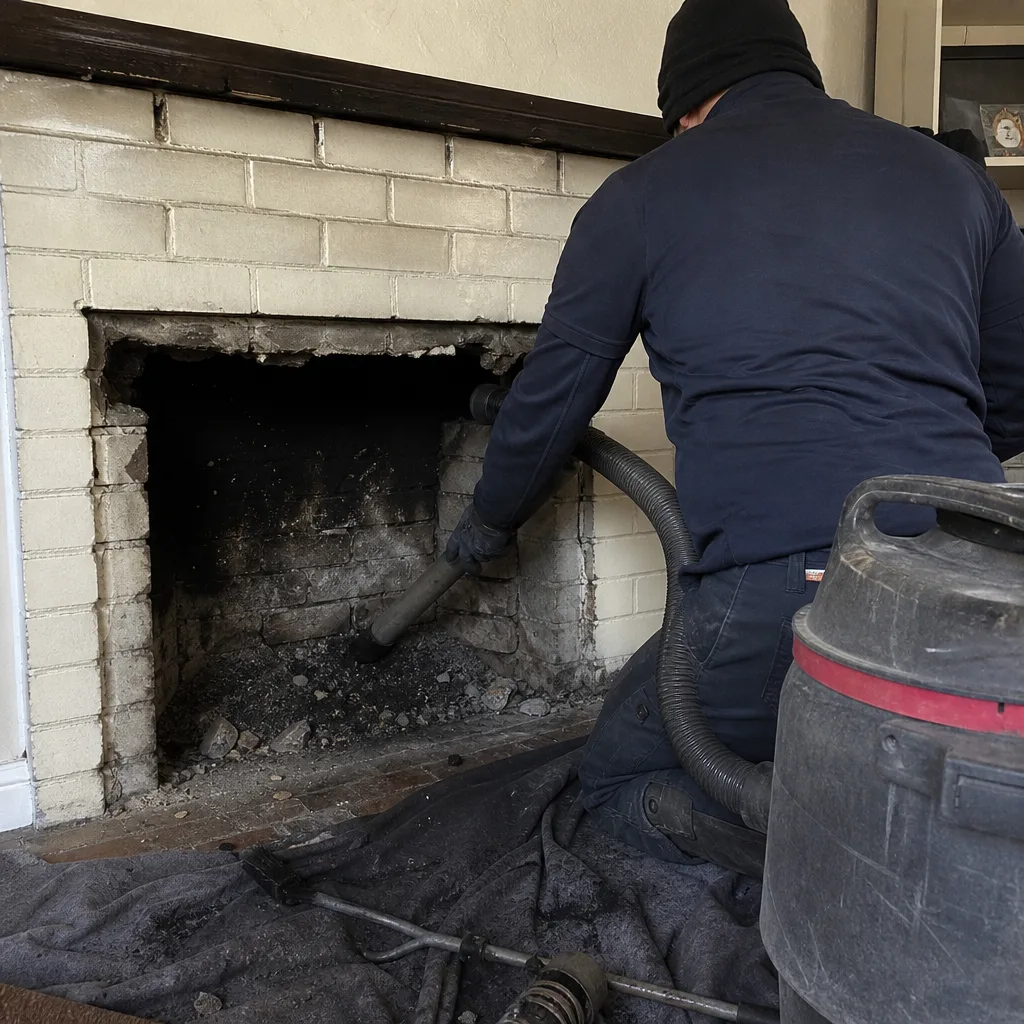 Before
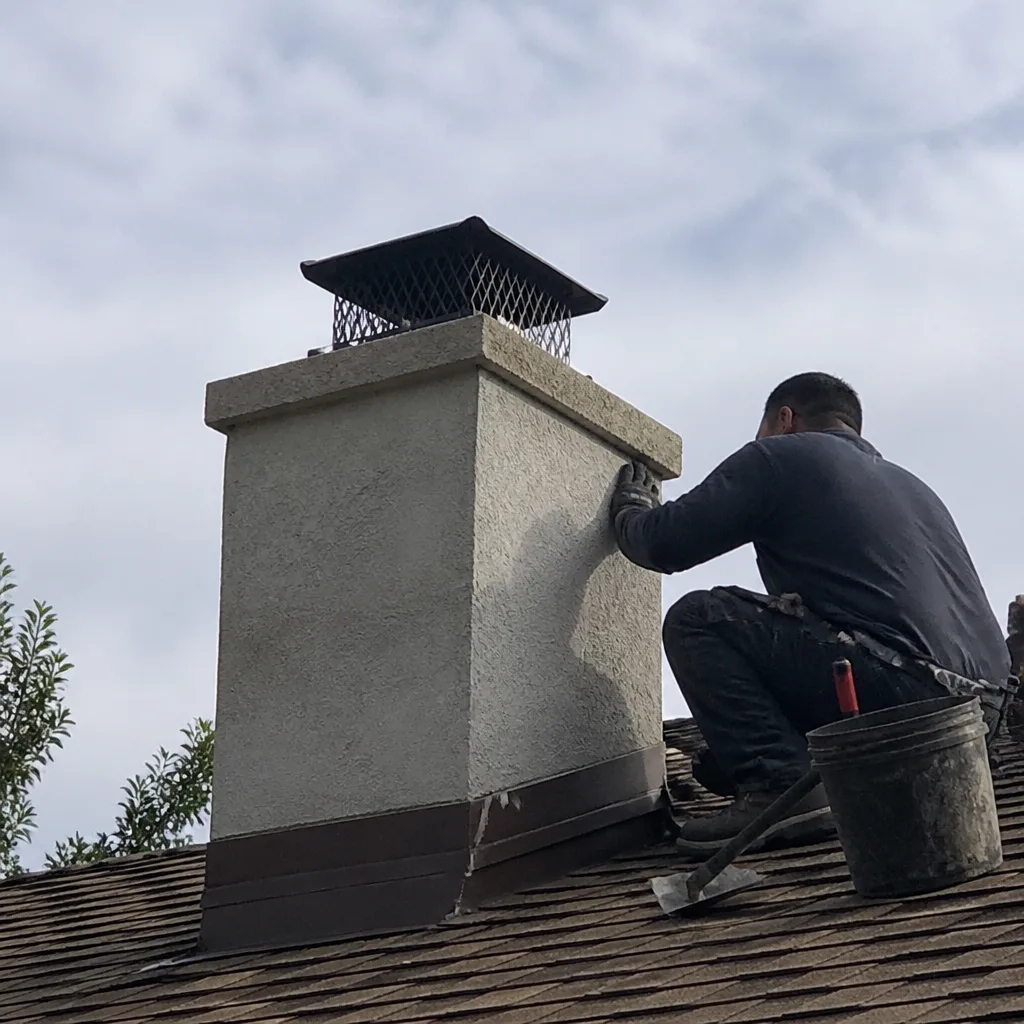 After
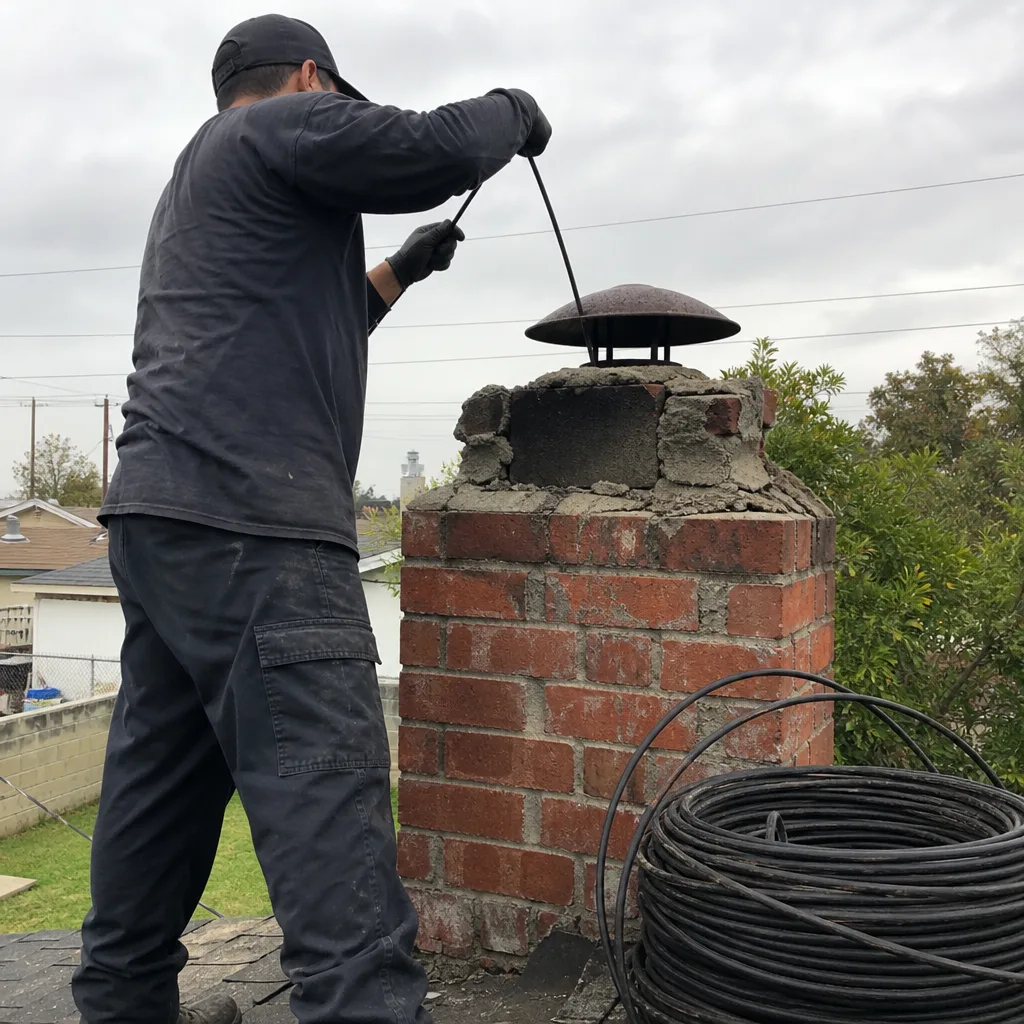 Before
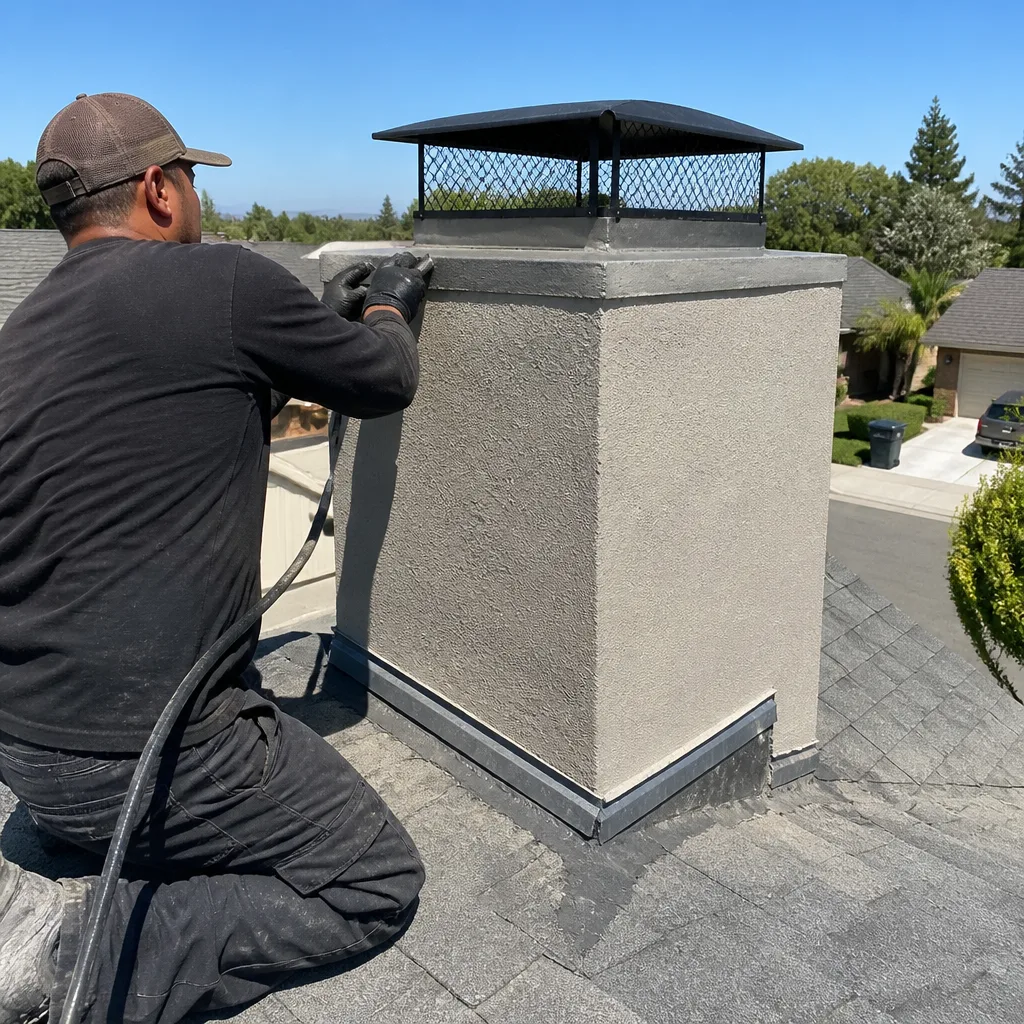 After
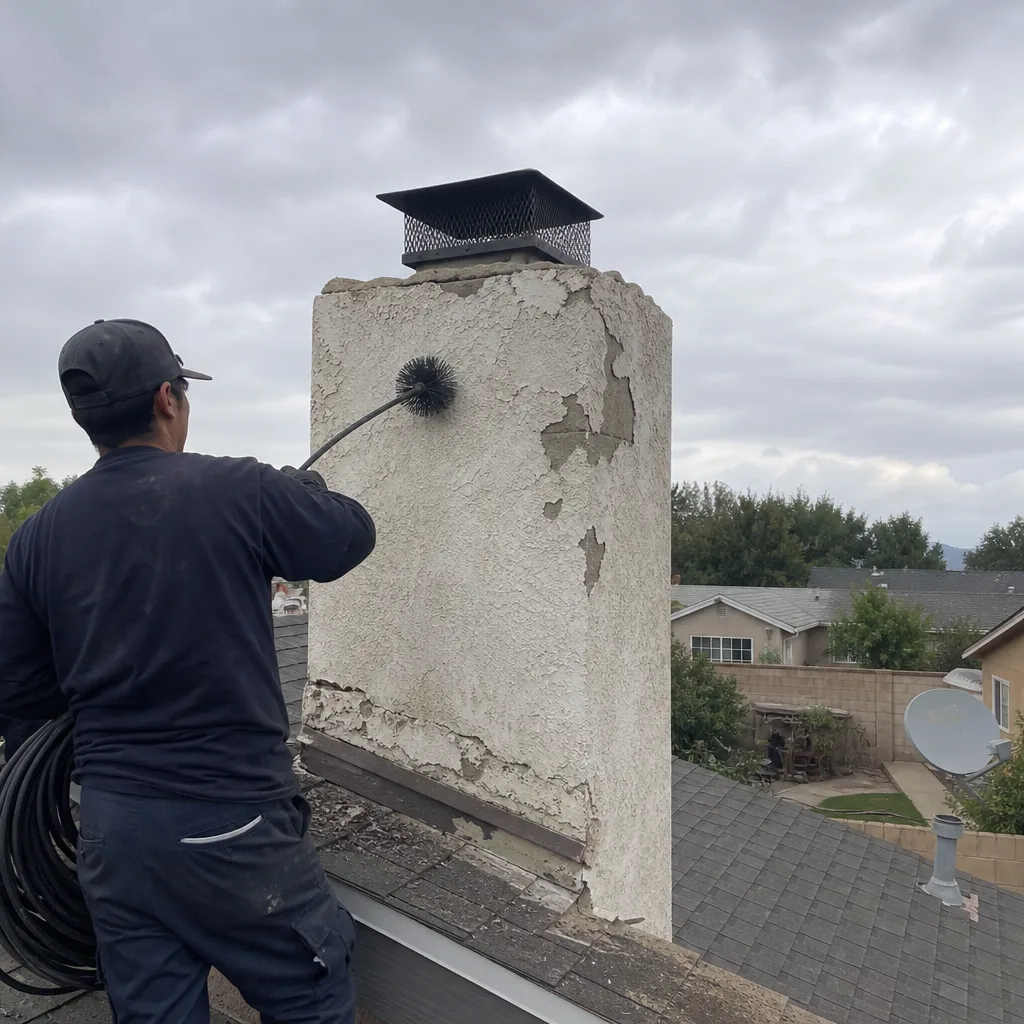 Before
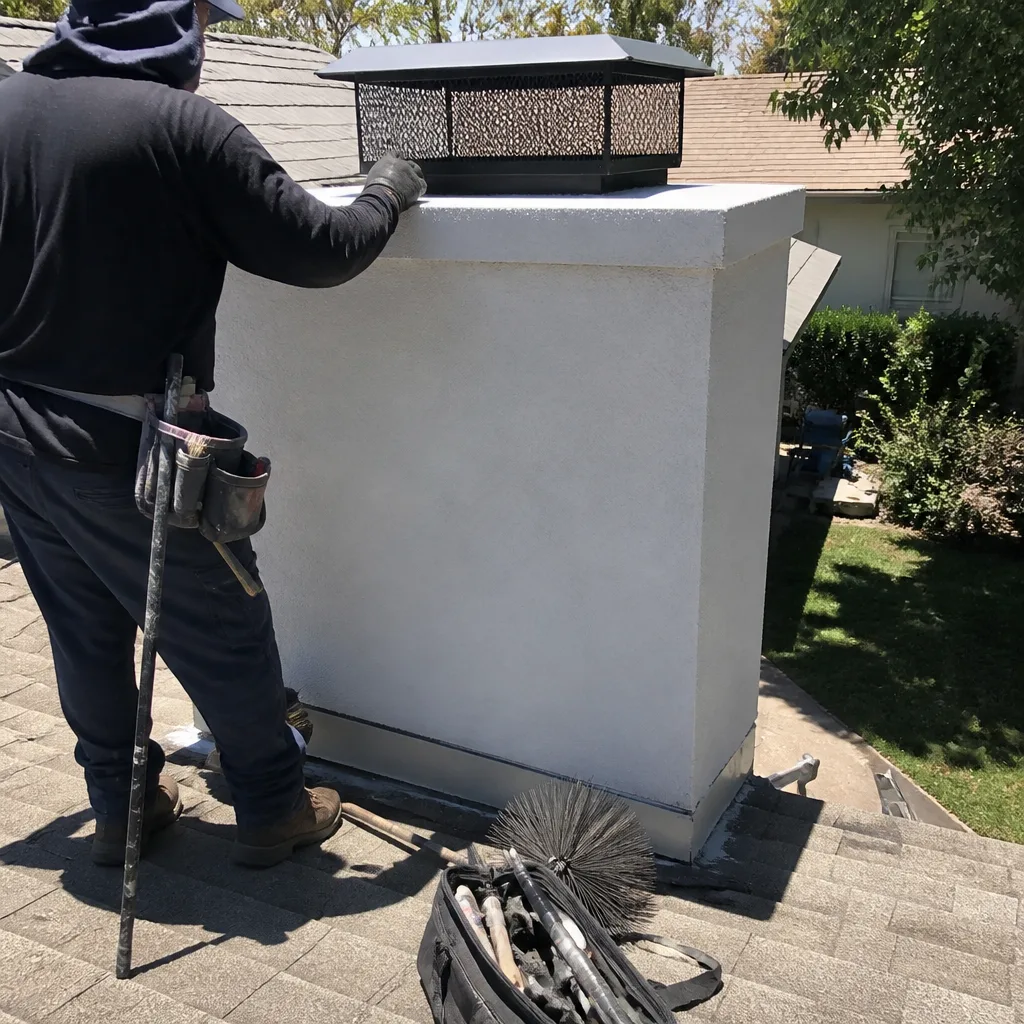 After